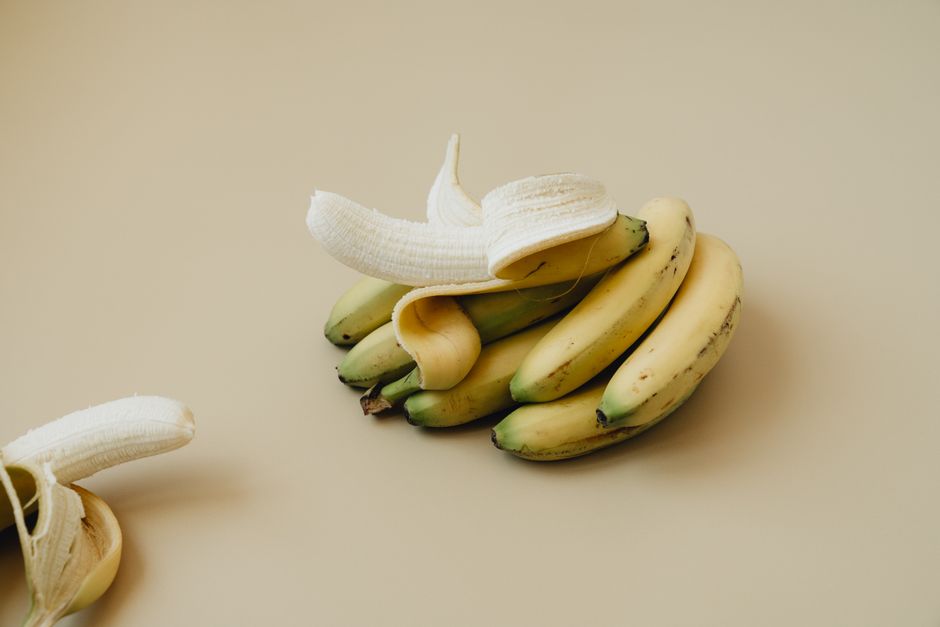
Bananas often get a bad reputation in diet circles because they contain more sugar and calories than berries or apples. But the truth is more complicated than that, and it matters for anyone trying to lose weight without giving up foods they enjoy.
The direct answer to whether is banana good for weight loss or not is yes, bananas can fit into a weight loss plan when eaten in sensible portions. A medium banana has about 105 calories, 3 grams of fiber, and no fat, which makes it a satisfying snack that can help control hunger between meals. The key is portion control, since eating several large bananas daily can add up quickly in calories.
Most generic advice tells people to avoid bananas entirely or eat them freely, and both extremes are unhelpful. This article breaks down what the evidence actually says about bananas and weight, how to fit them into your daily calorie budget, and which mistakes to avoid.
Key Points at a Glance
| Point | What It Means | Why It Matters |
|---|---|---|
| Calorie content | One medium banana has roughly 105 calories | Easy to fit into a 1,500 to 1,800 calorie weight loss budget |
| Fiber and fullness | 3 grams of fiber per medium banana slows digestion | Helps you feel satisfied longer between meals |
| Sugar type | Natural sugars, not added sugar | Comes with fiber and water, unlike candy or soda |
| Ripeness matters | Greener bananas have more resistant starch | May support gut health and steadier blood sugar |
| Portion trap | Large bananas or smoothies can double the calories | Portion size decides whether bananas help or hurt your plan |
How Many Calories Are in a Banana and Does That Matter for Weight Loss?
A medium banana that measures about 7 to 8 inches long contains roughly 105 calories according to USDA data. That places it in the middle range for fruit, with more calories than a cup of strawberries but far fewer than a serving of dried fruit or a banana smoothie from a café. For most women aiming to lose weight on a 1,400 to 1,800 calorie daily plan, one banana fits comfortably without disrupting progress.
The bigger issue is how you eat the banana. A whole banana with a handful of almonds makes a balanced snack around 200 calories, while a banana blended into a large smoothie with juice, yogurt, and honey can easily reach 400 to 500 calories. I always tell friends to eat the fruit whole rather than drink it, because chewing triggers fullness signals that blending bypasses.
Is Banana Good for Weight Loss or Not When You Compare It to Other Fruits?
Bananas sit in the middle of the fruit spectrum for calories and sugar. A medium banana has about 14 grams of natural sugar, while a cup of grapes has roughly 15 grams and a medium apple has about 19 grams. The fiber in bananas, especially when slightly underripe, helps blunt blood sugar spikes compared to eating refined carbs with the same calorie count.
Some research suggests that increasing fruit intake generally supports weight management because fruit displaces higher-calorie snacks and desserts. Studies published in journals like Nutrients have linked higher fruit consumption to lower body weight over time, though no single fruit guarantees results. What matters most is your total daily calorie intake, not whether you choose a banana or an orange on a given day.
One thing I have noticed in my own kitchen is that a ripe banana satisfies a sweet craving that might otherwise send me to the cookie jar. That substitution alone can save 150 to 200 calories, which adds up to about a pound lost every two to three weeks if done daily.
Does Banana Ripeness Change How It Affects Weight Loss?
Ripeness changes the carbohydrate structure in bananas, and that affects how your body processes them. Green bananas contain more resistant starch, a type of fiber that resists digestion and feeds beneficial gut bacteria, which some studies link to better blood sugar control and satiety. As bananas ripen and turn yellow with brown spots, that resistant starch converts into simple sugars, making them sweeter and faster to digest.
Neither version is bad for weight loss, but they serve different purposes. A greener banana works well before a workout or as a morning snack because it provides steadier energy, while a riper banana can satisfy a dessert craving with about the same calories. The difference in calories between a green and fully ripe banana of the same size is minimal, so choose based on taste and how your body responds.
What Are Common Mistakes People Make When Eating Bananas for Weight Loss?
The most common mistake is treating bananas as a free food with no calorie count. Eating three or four large bananas as snacks adds 400 to 500 calories, which can erase a daily deficit that would otherwise produce steady weight loss. Another frequent error is adding calorie-dense toppings like Nutella, honey, or granola that turn a 105-calorie fruit into a 300-calorie dessert.
Portion control is the entire game. If you use a food scale or measuring cup, you will see that a “medium” banana is smaller than most people assume, and that many supermarket bananas run closer to large. Tracking your banana intake for a few days in a calorie app can give you an honest picture of whether this fruit fits your plan or pushes you over budget.
Frequently Asked Questions
Related Articles
Can I eat bananas every day while trying to lose weight?
Yes, you can eat a banana daily as long as it fits within your total calorie target. One medium banana provides fiber and potassium without derailing a standard weight loss plan.
Are bananas fattening or do they help with weight loss?
Bananas are not fattening on their own, since they contain no fat and only about 105 calories each. They support weight loss when they replace higher-calorie snacks and are eaten in reasonable portions.
Is it better to eat bananas in the morning or at night for weight loss?
No strong evidence shows that timing banana consumption affects weight loss outcomes. Choose the time of day when a banana helps you avoid a less healthy snack.
Do green bananas help you lose more weight than ripe bananas?
Green bananas contain more resistant starch, which may improve fullness and gut health, but the calorie difference is small. Both versions can fit in a weight loss plan, so pick based on taste preference.
How many bananas can I eat a day without gaining weight?
One to two medium bananas per day is reasonable for most women on a weight loss plan. More than that can push your calorie intake too high unless you adjust other foods.
Should I avoid bananas if I have diabetes or blood sugar concerns?
People with diabetes can eat bananas in moderation, ideally pairing them with protein or fat to slow sugar absorption. Consult your doctor or dietitian for personalized portion guidance.
To see exactly how bananas fit into your personal calorie needs, use our TDEE Calculator to find your maintenance calories and create a modest deficit.

The TDEECAL Team writes about nutrition, metabolism, and fat loss the way we built our calculator, with real numbers and no hype. We dig into the research so you don’t have to guess.