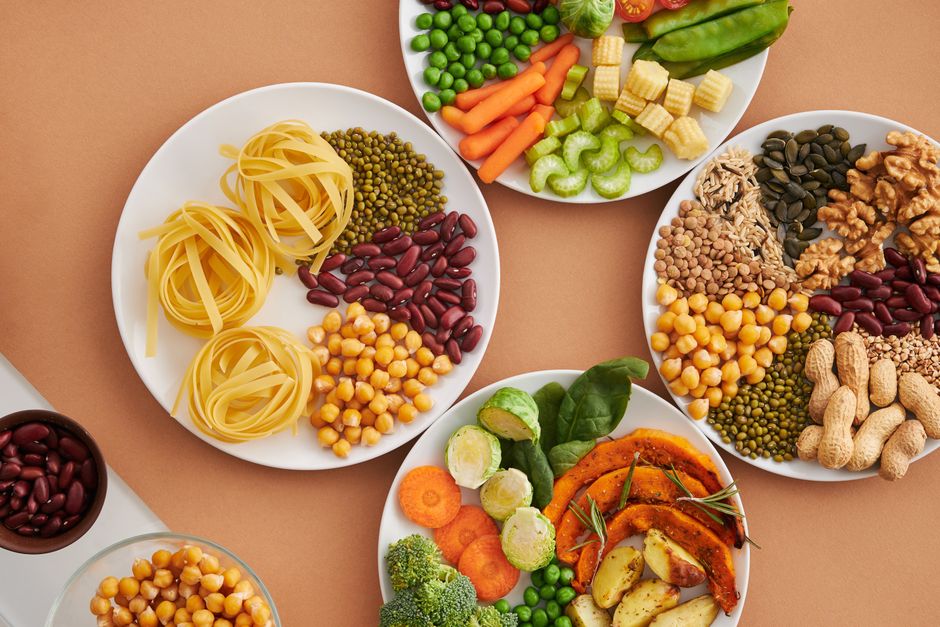
Barilla Protein+ pasta has become a staple for many people watching their waistlines, but the label can be misleading. You might be wondering if swapping your regular spaghetti for this version actually helps you lose weight.
Yes, Barilla Protein+ pasta can be a healthy part of a weight loss diet because it contains more protein and fiber than traditional pasta, which helps you feel fuller longer. However, it is not a magic food, and the calorie difference is smaller than most people expect. The real benefit comes from how it fits into your overall daily calorie intake.
Most people assume that anything labeled “protein” is automatically better for weight loss. The truth is more complicated, and understanding the actual numbers makes a real difference in your results. This article breaks down the nutrition facts, the satiety research, and the practical ways to use this pasta without sabotaging your goals.
You will also learn why portion control still matters and how to build a balanced plate around this pasta. I have tested this pasta in my own kitchen for years, and I can tell you the texture is different from regular pasta — it holds up better in leftovers and has a slightly chewier bite.
Key Points at a Glance
| Point | What It Means | Why It Matters |
|---|---|---|
| Calorie difference is small | Barilla Protein+ has roughly 190 calories per 2-ounce serving compared to about 200 for regular pasta | You cannot eat unlimited portions just because it has protein |
| Protein and fiber are higher | 10 grams of protein and 5 grams of fiber per serving | Both nutrients slow digestion and increase fullness |
| Made from legume flour blend | Lentil and chickpea flours are combined with semolina wheat | This changes the glycemic response compared to white pasta |
| Not a complete protein source | Wheat protein lacks some essential amino acids | Pair it with a protein source like chicken or beans for a full amino acid profile |
| Taste and texture differ | Chewier and slightly nuttier than regular pasta | This can make you eat slower and feel more satisfied |
What Is Actually in Barilla Protein+ Pasta?
Barilla Protein+ uses a blend of semolina wheat, lentil flour, and chickpea flour. This combination changes the nutritional profile significantly from standard white pasta. A 2-ounce dry serving contains approximately 190 calories, 10 grams of protein, 5 grams of fiber, and 1 gram of sugar.
Regular Barilla spaghetti has about 200 calories, 7 grams of protein, and 3 grams of fiber in the same serving size. The protein increase comes from the legume flours, which are naturally higher in protein than wheat. The fiber increase also comes from the legumes, and that fiber is what helps slow down digestion.
I always notice that this pasta needs about a minute less cooking time than the box suggests. The legume flours cook faster than pure wheat, so watch your pot closely to avoid mushy noodles.
Is Barilla Protein Pasta Healthy Compared to Regular Pasta?
When you compare the two side by side, Barilla Protein+ offers clear advantages for weight management. The extra 3 grams of protein and 2 grams of fiber per serving make a measurable difference in how full you feel after eating. Research consistently shows that both protein and fiber increase satiety, which means you are likely to eat less at your next meal.
The glycemic index of legume-blended pasta is also lower than white pasta. Some studies suggest that lower glycemic foods help stabilize blood sugar and reduce cravings later in the day. This does not mean the pasta is low-carb — it still contains about 35 grams of carbohydrates per serving — but the carbohydrate quality is better.
One thing I have learned in my own kitchen is that this pasta absorbs sauce differently. It holds onto lighter sauces better than regular pasta, which means you can use less sauce and still get good flavor coverage.
How Does Barilla Protein Pasta Fit Into a Weight Loss Diet?
The key to using Barilla Protein+ for weight loss is treating it as a tool, not a free pass. The calorie difference between this and regular pasta is only about 10 calories per serving, which is negligible. The real advantage is the satiety effect — you simply feel fuller with the same portion size.
To make this pasta work for weight loss, measure your portion carefully. A standard serving is 2 ounces dry, which cooks up to about 1 cup. That portion contains roughly 190 calories, and your total meal should stay within your daily calorie target.
Here is a practical tip I use every time I cook this pasta: weigh the dry noodles before boiling. It is easy to pour too much into the pot, and dry pasta is much easier to measure accurately than cooked pasta.
Practical advice: Build your plate with half vegetables, one quarter protein pasta, and one quarter lean protein like grilled chicken or shrimp. This combination maximizes fullness without blowing your calorie budget.
Can You Eat Barilla Protein Pasta Every Day?
Eating this pasta daily is fine as long as your total calorie intake stays within your weight loss range. There is no evidence that this specific pasta causes any negative health effects when eaten regularly. The legume flours provide additional nutrients like iron and folate that are less abundant in white pasta.
However, variety matters in any diet. Relying on one food every day can become boring, and boredom often leads to overeating. Rotate this pasta with other whole grains like quinoa, brown rice, or barley to keep your meals interesting.
I have found that this pasta works best in dishes where the sauce is not too heavy. A simple tomato sauce with garlic and olive oil lets the pasta’s nutty flavor come through without adding excess calories.
What Are the Downsides of Barilla Protein Pasta?
The main downside is the cost — Barilla Protein+ typically costs about twice as much as regular pasta. For families on a budget, this price difference adds up quickly. The texture is also different, and some people find the chewier consistency less appealing than traditional pasta.
Barilla Protein+ contains gluten, so it is not suitable for people with celiac disease or gluten sensitivity. The legume flours also mean this pasta has a slightly different taste that some people describe as earthy or nutty. If you are used to the neutral flavor of white pasta, this can take some adjustment.
Another consideration is that the protein in this pasta is not complete. Wheat and legume proteins together do provide all essential amino acids, but the proportions are not ideal. Pairing this pasta with a lean protein source ensures you get a full amino acid profile at each meal.
Frequently Asked Questions
Related Articles
Is Barilla protein pasta healthy for weight loss?
Yes, it can support weight loss because the higher protein and fiber content increases fullness compared to regular pasta. The calorie difference is small, so portion control still matters for results.
How many calories are in Barilla Protein+ pasta?
A 2-ounce dry serving contains about 190 calories. This is roughly 10 calories fewer than regular Barilla pasta in the same serving size.
Does Barilla Protein+ pasta taste different from regular pasta?
Yes, it has a slightly chewier texture and a mild nutty flavor from the lentil and chickpea flours. Most people adjust to the difference within a few meals.
Is Barilla Protein+ pasta gluten-free?
No, it contains semolina wheat and is not safe for people with celiac disease. The legume flours are added to wheat flour, not used as a replacement.
How much protein is in Barilla Protein+ pasta?
One 2-ounce dry serving contains 10 grams of protein. This is about 3 grams more than regular pasta provides in the same portion.
Can you eat Barilla Protein+ pasta on a low-carb diet?
It is not low-carb, as one serving contains about 35 grams of carbohydrates. It fits better into moderate-carb or balanced weight loss plans than strict ketogenic diets.
Use our TDEE calculator to find your daily calorie target for weight loss. This tool helps you figure out exactly how this pasta fits into your personal calorie budget.
Barilla Protein+ pasta is a solid choice for weight loss when you manage portions and pair it with vegetables and lean protein. It is not a miracle food, but it does offer real satiety benefits over regular pasta. The best pasta for your weight loss journey is the one you can eat consistently while staying within your calorie goals.

The TDEECAL Team writes about nutrition, metabolism, and fat loss the way we built our calculator, with real numbers and no hype. We dig into the research so you don’t have to guess.