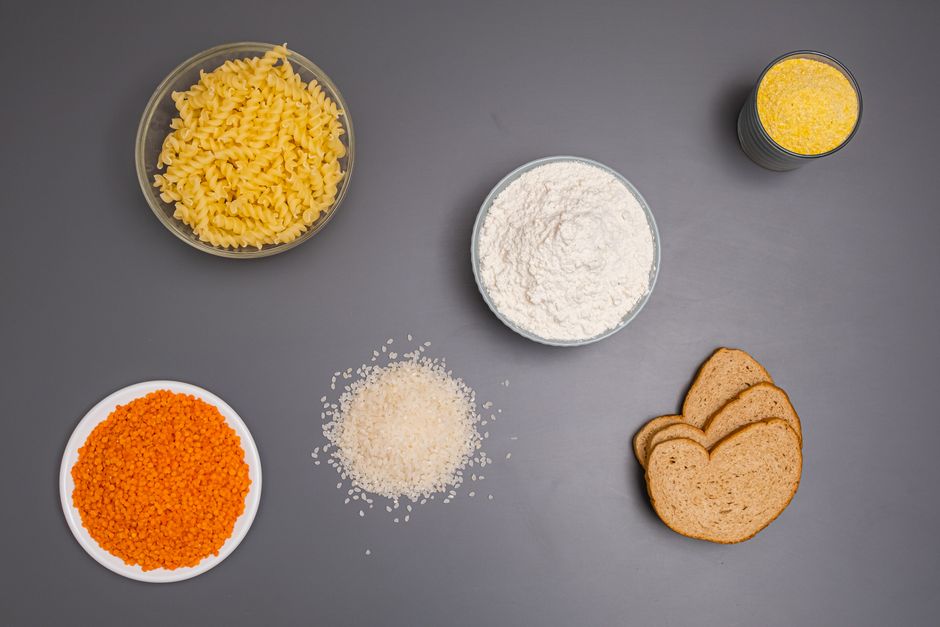
You grab a bag of rice, then put it back. You pick up a loaf of bread, then hesitate. This daily choice feels impossible when you are trying to lose weight. The honest answer is that neither bread nor rice is inherently bad, but one often makes weight loss harder without you realizing it.
So, is bread or rice better for weight loss? The short answer is that white rice has a slight edge over bread for most people trying to lose weight. Rice is typically lower in sodium and added sugars, and it is easier to control portion size with a measuring cup. Bread often contains hidden sugars, preservatives, and higher sodium levels that can stall progress. But the real difference comes down to what you pair with each one and how much you actually eat.
Most online advice treats this as a simple calorie comparison. But real weight loss is more complicated than that. This article breaks down the specific nutritional differences, the hidden ingredients that matter, and how your body processes each one. You will get a clear, practical framework for making this choice work for your goals.
Key Points at a Glance
| Point | What It Means | Why It Matters |
|---|---|---|
| Calorie density | One cup of cooked white rice has about 200 calories. Two slices of whole wheat bread have about 160-180 calories. | Bread seems lower in calories, but rice fills you up more with the same calories. |
| Added ingredients | Most commercial bread contains added sugar, salt, and preservatives. Plain rice does not. | Hidden additives in bread can trigger cravings and water retention. |
| Portion control | Rice is easy to measure by volume. Bread is harder to gauge by sight alone. | People consistently underestimate how much bread they eat. |
| Satiety factor | Rice paired with protein and vegetables creates a high-volume meal. Bread is often eaten alone or with spreads. | Volume eating helps you feel full longer without extra calories. |
| Glycemic impact | Both are high glycemic, but cooling rice after cooking lowers its effect. | Cooled rice has resistant starch that may support better blood sugar control. |
What Actually Makes a Difference for Weight Loss
When you ask whether bread or rice is better for weight loss, the first thing to look at is what else is in your food. A slice of bread is rarely just flour, water, and yeast. Most loaves at the grocery store contain added sugar, high fructose corn syrup, soybean oil, and preservatives like calcium propionate. These additives add calories without adding fullness.
Rice, on the other hand, is a single ingredient. One cup of cooked white rice contains around 200 calories, less than a gram of sugar, and minimal sodium. Two slices of whole wheat bread can contain 4 to 8 grams of added sugar and 300 to 400 milligrams of sodium. That difference adds up fast if you eat bread daily.
I always check the ingredient list on bread before buying. If sugar appears in the first three ingredients, I put it back. That one habit saved me about 150 extra calories per week without changing anything else.
How Portion Size Tricks You
Portion control is where rice quietly wins. A standard serving of rice is one half cup cooked, which is about the size of a tennis ball. Most people serve themselves about one cup, which is still easy to track. Bread is harder to judge. A typical slice of sandwich bread is supposed to be one serving, but many bakery-style slices are double that size.
Research consistently shows that people underestimate their bread intake by 30 to 40 percent. You might think you ate two slices, but the actual calories could be closer to three or four slices worth. Rice, measured by volume, gives you a more honest picture of what you are eating.
If you eat bread, weigh it on a food scale at least once. You might be surprised at what one actual serving looks like.
Does the Type of Rice or Bread Matter
Brown rice is often recommended for weight loss, but the difference is smaller than most people think. Brown rice has more fiber and magnesium than white rice. That extra fiber helps with fullness and digestion. However, brown rice also has slightly more calories per cup and takes longer to cook, which can lead to ordering takeout instead.
Whole wheat bread is better than white bread for weight loss, but only if it is actually whole grain. Many breads labeled “whole wheat” are mostly refined white flour with a little whole wheat flour added. Look for “100 percent whole grain” on the package. Even then, check the sugar content.
For weight loss, the best choice is whichever one you can eat without adding high-calorie toppings. Rice with steamed vegetables and lean protein is a strong meal. A sandwich with processed meat and cheese is not.
Is Bread or Rice Better for Weight Loss When You Eat It
Timing matters less than what you pair with each food, but there is one useful trick for rice. Cooked white rice that is cooled in the fridge for at least 12 hours develops resistant starch. Resistant starch is a type of carbohydrate that resists digestion in the small intestine. It acts more like fiber, feeding gut bacteria and lowering the blood sugar spike after eating.
This effect is real, though modest. Reheating the rice does not reverse it. If you eat rice regularly, cooking it ahead of time and cooling it overnight is a simple adjustment that may help with weight management.
Bread does not have this same benefit. Toasting bread lowers its glycemic index slightly, but the effect is small compared to the resistant starch in cooled rice.
Frequently Asked Questions
Related Articles
Which has more calories, bread or rice?
One cup of cooked white rice has about 200 calories. Two slices of whole wheat bread have about 160 to 180 calories, but the rice will keep you fuller longer.
Is white rice or brown rice better for weight loss?
Brown rice has more fiber and nutrients, which supports fullness and steady energy. White rice is lower in fiber but easier to digest and less likely to cause bloating.
Can I eat bread every day and still lose weight?
Yes, but you need to choose bread with at least 3 grams of fiber per slice and no added sugar. You also need to account for those calories in your daily total.
Does toasting bread reduce calories?
Toasting bread does not change the calorie count. It does lower the glycemic response slightly, meaning your blood sugar rises a bit less after eating it.
Is rice or bread more fattening for belly fat?
Neither food targets belly fat specifically. The total calories you eat and your overall diet quality determine where fat is stored on your body.
Should I cut out both bread and rice to lose weight?
Cutting out entire food groups is rarely necessary for weight loss. Most people lose weight more consistently when they focus on portion size and protein intake instead of elimination.
If you want a more personalized breakdown of how many calories you should be eating, use the TDEE Calculator to find your maintenance level. From there, you can decide exactly how much bread or rice fits into your daily plan without guesswork.

The TDEECAL Team writes about nutrition, metabolism, and fat loss the way we built our calculator, with real numbers and no hype. We dig into the research so you don’t have to guess.