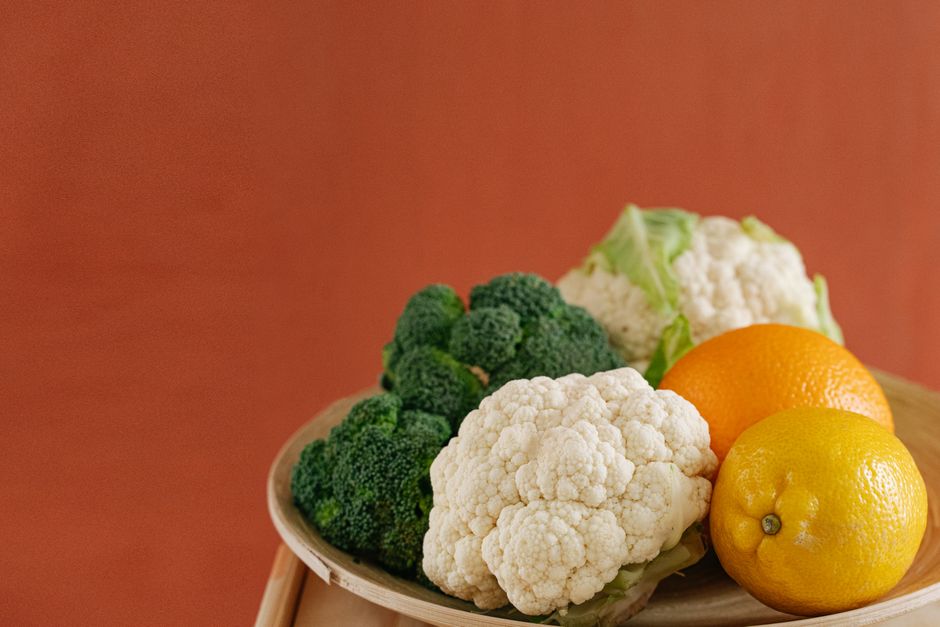
You’ve stood in the produce aisle staring at two green heads, wondering if either actually makes a difference on the scale. Both are low-calorie vegetables, but they are not identical when it comes to your weight loss goals. The direct answer to whether cauliflower or broccoli is better for weight loss depends on your specific needs, but broccoli edges ahead for most people because of its higher protein and fiber content per calorie.
That said, this is not a dramatic victory. Both vegetables are excellent choices that support weight loss, and you should eat whichever one you enjoy more. The real difference comes down to satiety, digestion, and how your body processes each vegetable. Most generic articles just list calories and call it a day, but the full picture involves protein, fiber, and how these foods actually keep you full.
This article breaks down the nutritional data, the evidence on fullness and digestion, and the practical realities of cooking both. You will get a clear answer you can use at your next grocery trip, not just a vague “they’re both healthy” response.
Key Points at a Glance
| Point | What It Means | Why It Matters |
|---|---|---|
| Calorie difference | Both are under 35 calories per cup raw | You can eat large portions without breaking your calorie budget |
| Protein content | Broccoli has about 2.5g protein per cup; cauliflower has about 2g | Protein supports fullness and muscle preservation during weight loss |
| Fiber content | Broccoli has roughly 2.4g fiber per cup; cauliflower has about 2g | Fiber slows digestion and keeps you satisfied longer |
| Digestibility | Cauliflower is often easier on sensitive stomachs | If broccoli causes bloating, cauliflower may be a better daily choice |
| Volume eating | Both provide high volume for very few calories | You can fill your plate with either and stay in a calorie deficit |
Is Cauliflower or Broccoli Better for Weight Loss Nutritionally?
Broccoli wins on almost every macro and micronutrient comparison. A cup of raw broccoli provides about 31 calories, 2.5 grams of protein, and 2.4 grams of fiber. The same amount of raw cauliflower gives you roughly 27 calories, 2 grams of protein, and 2 grams of fiber. These differences are small but real, and they compound when you eat these vegetables daily.
Broccoli also contains more vitamin C, vitamin K, and calcium than cauliflower. Research consistently shows that higher vegetable intake supports weight loss because vegetables displace higher-calorie foods from your diet. Both vegetables do this effectively, but broccoli’s slight edge in protein and fiber means it may keep you full slightly longer after a meal.
How Do Calories and Satiety Compare Between Cauliflower and Broccoli?
Both vegetables are what nutrition researchers call “low energy density” foods. This means they provide very few calories relative to their weight and volume. You can eat two full cups of either vegetable for under 70 calories, which makes them excellent for filling your stomach without blowing your daily calorie target.
Studies have found that people who eat low-energy-density foods like these tend to consume fewer total calories overall. The fiber in both vegetables slows stomach emptying, which delays hunger signals. Broccoli’s slightly higher fiber content gives it a small advantage here, but the difference is not dramatic enough to override personal preference.
One practical note: how you cook these vegetables changes their satiety profile. Steaming or roasting preserves fiber and volume. Boiling them until soft reduces volume and may make you feel less full. I always roast both with a little olive oil and salt — the caramelization makes them satisfying enough that you will not miss higher-calorie sides.
What About Digestibility and Bloating?
Cauliflower has a real advantage for people with sensitive digestive systems. Both vegetables contain raffinose, a type of carbohydrate that ferments in the gut and can cause gas. However, many people report that cauliflower causes less bloating than broccoli, possibly because broccoli has a higher total fiber load that can be harder to digest for some.
If you have irritable bowel syndrome or a history of digestive discomfort, cauliflower is often the safer daily choice. You can also reduce digestive issues with both by cooking them thoroughly rather than eating them raw. Steamed or roasted versions are gentler on the gut while keeping most of the nutritional benefits.
I have seen clients give up on vegetables entirely because raw broccoli caused them discomfort. Do not let this happen to you. If broccoli bothers your stomach, switch to cauliflower or cook the broccoli longer. A vegetable you can digest comfortably is better than one you avoid entirely.
Which One Should You Choose for Weight Loss?
For most people, broccoli is the slightly better choice because of its higher protein, fiber, and micronutrient content per calorie. However, this advantage is modest. The best vegetable for your weight loss plan is the one you will actually eat consistently, and that includes cauliflower if you prefer its milder taste and easier digestibility.
You do not need to choose between them. Eating both regularly gives you a broader range of nutrients and prevents food boredom, which is a common reason people abandon healthy eating plans. A simple approach: use broccoli as your base green vegetable and swap in cauliflower when you want variety or when broccoli is more expensive at the store.
Frequently Asked Questions
Related Articles
Is cauliflower or broccoli better for weight loss?
Broccoli is slightly better for weight loss because it has more protein and fiber per calorie. The difference is small, so choose whichever one you enjoy eating more.
Can I eat unlimited cauliflower and broccoli while losing weight?
You can eat large portions of both without breaking your calorie budget, but unlimited is not realistic. These vegetables are low in calories, but any food contributes to your daily total when eaten in extreme amounts.
Does cooking method change how good these vegetables are for weight loss?
Yes, cooking method matters. Steaming, roasting, or eating them raw preserves fiber and volume, while boiling them soft reduces both. Avoid coating them in heavy butter, cheese sauce, or oil if you are watching calories.
Which vegetable keeps you full longer, cauliflower or broccoli?
Broccoli may keep you full slightly longer because it has more fiber and protein per serving. The difference is modest, and both vegetables are excellent for satiety compared to most other foods.
Can cauliflower cause weight gain?
No, cauliflower itself does not cause weight gain because it is very low in calories. Weight gain only happens if you prepare it with high-calorie ingredients like cheese, cream, or large amounts of oil.
Should I eat broccoli or cauliflower if I have digestive issues?
Cauliflower is often easier to digest than broccoli for people with sensitive stomachs. Cooking either vegetable thoroughly can also reduce gas and bloating compared to eating them raw.

The TDEECAL Team writes about nutrition, metabolism, and fat loss the way we built our calculator, with real numbers and no hype. We dig into the research so you don’t have to guess.