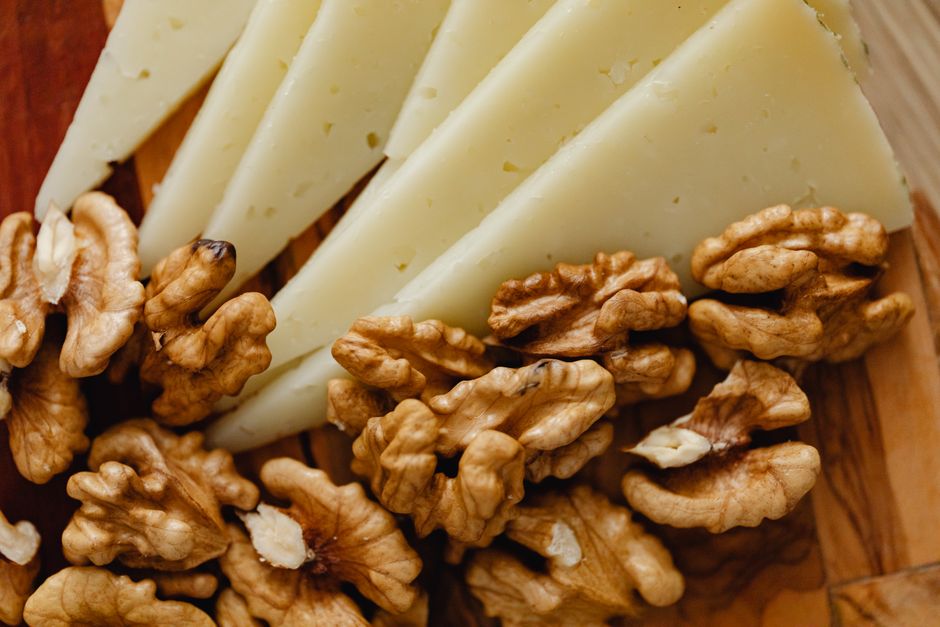
Is Cheese a Protein for Weight Loss?
You have probably seen cheese listed as a high-protein snack. But the truth is more complicated than a simple yes or no.
Yes, cheese is a protein for weight loss, but it is also a high-calorie, high-fat food. The question of whether it helps or hurts your progress depends entirely on portion size and how often you eat it. This article breaks down the actual protein content of common cheeses, how they compare to other protein sources, and the practical strategies for fitting cheese into a calorie deficit.
Most generic advice tells you to either eat all the cheese you want or avoid it completely. Neither approach is accurate. We will look at the specific numbers and the evidence so you can make a smart decision for your own diet.
Key Points at a Glance
| Point | What It Means | Why It Matters |
|---|---|---|
| Protein Density | Cheese has about 6-7 grams of protein per ounce | It is a decent source, but not the most efficient per calorie |
| Calorie Load | Most cheeses pack 100-120 calories per ounce | Portion control is the deciding factor for weight loss |
| Satiety Effect | Protein and fat together help you feel full | Can reduce snacking later in the day |
| Best Choices | Cottage cheese and part-skim mozzarella lead the pack | Higher protein with fewer calories per serving |
| The Bottom Line | Cheese works if you weigh it and count it | It is not a free food, but it is not forbidden either |
How Much Protein Is Actually in Cheese?
The protein content varies noticeably between different types of cheese. Hard cheeses like cheddar, Swiss, and Parmesan deliver roughly 7 grams of protein per one-ounce serving. That is about the size of a pair of dice. Softer cheeses are less concentrated. Brie and camembert offer around 5 grams per ounce because they contain more water.
Cottage cheese is the outlier that changes the conversation. A half-cup serving of low-fat cottage cheese contains about 14 grams of protein for only 90 calories. That makes it one of the most protein-efficient dairy options available. Greek yogurt is the only common dairy food that consistently beats it.
The math matters here. If you are asking if cheese is a protein for weight loss, the answer depends on which cheese you choose and how much you eat. An ounce of cheddar gives you 7 grams of protein but costs you 115 calories. To get 20 grams of protein from cheddar, you would eat nearly 330 calories. The same 20 grams from cottage cheese costs about 130 calories.
Can Cheese Help You Lose Weight or Hurt Your Progress?
Cheese can do both. The deciding factor is always the calorie math. Weight loss happens when you consistently eat fewer calories than you burn. Cheese fits into that equation as long as the portions are measured and logged.
The protein and fat in cheese do provide genuine satiety benefits. Eating a small portion with a meal can help you feel satisfied longer. Research consistently shows that protein is the most filling macronutrient. The fat in cheese also slows digestion, which extends that full feeling.
The risk is that cheese is easy to overeat. Because it is calorie-dense, a few extra slices can erase the deficit you worked all day to create. Studies on portion control show that people consistently underestimate how much cheese they are eating. This is why weighing it matters more than any other habit.
Some research suggests that full-fat dairy may be neutral or even slightly beneficial for weight management compared to low-fat versions. The evidence is mixed, but one theory is that the satiety from fat prevents overeating later. That does not mean you can ignore calories. It just means you do not have to choose fat-free cheese if you prefer the real thing.
Which Cheese Is Best for Weight Loss?
If you want the most protein for the fewest calories, cottage cheese is the clear winner. Low-fat cottage cheese delivers about 14 grams of protein per half-cup at roughly 90 calories. It is also versatile. You can eat it savory with black pepper or sweet with berries.
Part-skim mozzarella is the next best option. One ounce provides about 7 grams of protein for around 80 calories. That is a better ratio than cheddar or Swiss. It melts well, which makes it practical for cooking.
Parmesan is worth mentioning because a little goes a long way. One ounce has about 10 grams of protein and 110 calories. Because the flavor is intense, you can use a smaller amount and still feel satisfied. That makes it a practical choice for adding protein to salads or pasta.
The cheeses to treat carefully are brie, camembert, and processed cheese products. They offer less protein per calorie. Processed cheese slices, in particular, often contain more additives and less actual cheese protein. They are not terrible, but they are not efficient protein sources.
How to Eat Cheese Without Sabotaging Weight Loss
The first rule is to weigh your cheese. A food scale costs about fifteen dollars and will give you accurate numbers every time. Measuring cups are less reliable for shredded cheese because how tightly it is packed changes the amount.
The second rule is to plan cheese into your daily calorie budget. If you know you want cheese with dinner, account for it earlier in the day. This prevents the common pattern of eating cheese as an unplanned snack on top of everything else.
The third rule is to pair cheese with lower-calorie foods. A small amount of feta on a large salad adds flavor and protein without wrecking your deficit. Cheese on a bagel or crackers, however, stacks calories quickly because the carrier is also calorie-dense.
Some people find that eating cheese as a standalone snack leads to overeating. If that sounds like you, try using it as a flavoring agent in meals instead. Grated parmesan on vegetables, crumbled goat cheese on a salad, or a slice of cheddar melted into a wrap all work well.
Frequently Asked Questions
Related Articles
Is cheese a protein for weight loss or a fat source?
Cheese is both a protein and a fat source. The ratio varies by type, but most cheeses contain roughly equal calories from protein and fat.
How much cheese can I eat per day while losing weight?
A reasonable target is one to two ounces of hard cheese per day, which provides 14 grams of protein for about 230 calories. Cottage cheese allows a larger portion for the same calorie cost.
Is full-fat cheese better than low-fat cheese for weight loss?
The evidence is mixed, but full-fat cheese may help with satiety. The calorie difference is what matters most for weight loss.
Does cheese cause belly fat specifically?
No food causes fat to accumulate in one specific body area. Excess calories from any source, including cheese, contribute to overall weight gain.
What is the healthiest cheese for protein?
Low-fat cottage cheese has the best protein-to-calorie ratio at about 14 grams per half-cup. Part-skim mozzarella is the best melting option for similar reasons.
Can I eat cheese before bed without gaining weight?
Eating cheese before bed only causes weight gain if it pushes you over your daily calorie target. The time of day does not change how your body processes calories.
To track cheese accurately in your daily calorie plan, use the TDEE Calculator to establish your maintenance calories first.

The TDEECAL Team writes about nutrition, metabolism, and fat loss the way we built our calculator, with real numbers and no hype. We dig into the research so you don’t have to guess.