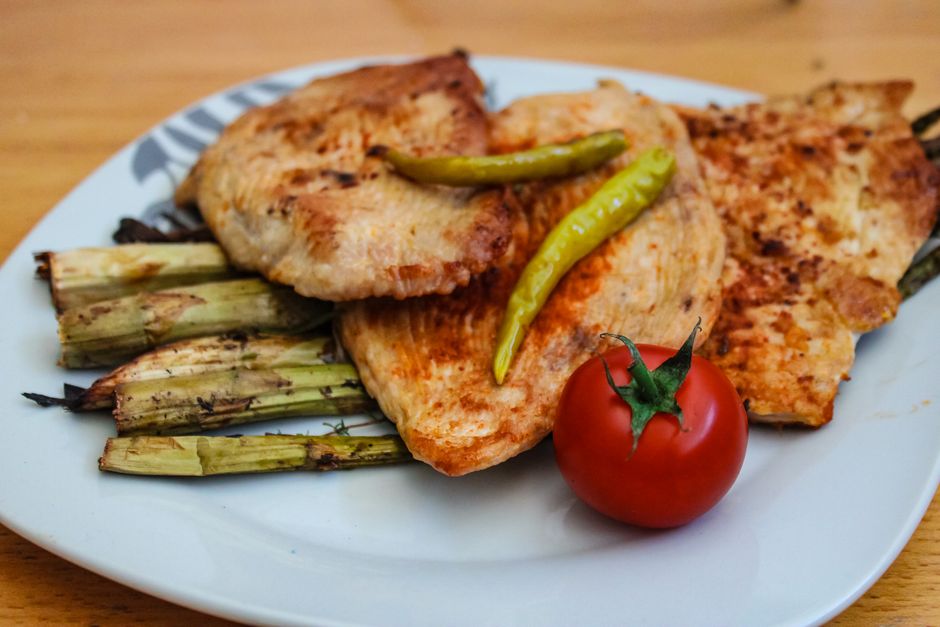
You open the fridge and see a pack of chicken breasts. You have heard for years that it is the go-to for dieting. But you are starting to wonder if that is actually true, or if it is just another thing everyone says.
Yes, chicken is good for weight loss. It is a lean source of protein that helps you feel full, supports muscle retention when you are in a calorie deficit, and is lower in calories than most cuts of beef or pork. A 3.5-ounce serving of skinless chicken breast has about 165 calories and 31 grams of protein. That high protein content is what makes chicken good for weight loss — it keeps hunger at bay and helps your body burn slightly more calories digesting food.
But the real question is not whether chicken can help. It is whether you are eating it in a way that actually works for your goals. Many people eat chicken alongside high-calorie sauces, fried coatings, or oversized portions that cancel out the benefits. This article covers what the evidence actually says about chicken for weight loss, how much you need, and how to prepare it so it helps rather than hurts.
Key Points at a Glance
| Point | What It Means | Why It Matters |
|---|---|---|
| High protein content | 31 grams of protein per 3.5 ounces of breast meat | Protein increases fullness and supports muscle during weight loss |
| Low calorie density | About 165 calories per serving without skin | You can eat a satisfying portion without blowing your calorie budget |
| Thermic effect of food | Protein burns more calories during digestion than carbs or fat | Your body uses about 20-30% of protein calories just to process it |
| Preparation matters | Fried or sauced chicken adds hidden calories | Baked, grilled, or poached chicken keeps the benefits intact |
| Not a magic food | Chicken alone does not cause weight loss | You still need a calorie deficit for results |
How Much Protein Do You Actually Need for Weight Loss?
Protein is the most important nutrient when you are trying to lose weight. It preserves muscle mass, which keeps your metabolism from slowing down as you drop pounds. It also reduces cravings more effectively than carbohydrates or fat.
Most women in your age range need between 1.2 and 1.6 grams of protein per kilogram of body weight per day during weight loss. For a 155-pound woman, that is roughly 85 to 112 grams of protein daily. A single serving of chicken breast covers about a third of that need.
Practical tip: Aim to include a protein source like chicken at every meal. Spreading protein intake throughout the day improves muscle retention and appetite control more than eating it all at dinner.
I always keep a batch of pre-cooked chicken in the fridge. It makes throwing together a high-protein lunch effortless on busy days.
Is Chicken Good for Weight Loss Compared to Other Proteins?
Chicken breast is one of the leanest animal protein sources available. A 3.5-ounce serving of skinless chicken breast has roughly 3.6 grams of fat, while the same amount of 80/20 ground beef has about 20 grams of fat. That difference adds up quickly if you are tracking calories.
However, fatty fish like salmon provides omega-3 fatty acids that chicken does not. And plant proteins like beans and lentils offer fiber that supports digestion and fullness. The best approach is to use chicken as your primary lean protein while rotating in fish, eggs, and plant proteins for variety.
The evidence is clear that chicken is good for weight loss, but it does not need to be the only protein you eat. Variety supports long-term adherence, which is what actually drives results.
Does the Way You Cook Chicken Change the Outcome?
Preparation is where most people accidentally sabotage their weight loss efforts. A plain chicken breast is low in calories, but breading and deep-frying it adds roughly 100 to 150 extra calories per serving. Cream-based sauces or heavy oil marinades can add even more.
Baking, grilling, poaching, or air-frying with minimal oil keeps the calorie count low. Using dry rubs, citrus juice, vinegar, or herbs adds flavor without significant calories. A simple marinade of lemon juice, garlic, and black pepper works well and adds almost nothing to the calorie total.
I use a meat thermometer to avoid dry chicken. Pulling it at 160°F and letting it rest keeps it juicy without needing extra fat.
How Much Chicken Should You Eat Per Day for Weight Loss?
There is no single perfect amount, but a reasonable target is 4 to 6 ounces of cooked chicken per meal, once or twice daily. That gives you 30 to 45 grams of protein per serving, which fits well within the daily protein targets most women need for weight loss.
Eating more than that in one sitting does not provide extra benefit. Your body can only use so much protein at once for muscle repair. The excess is simply stored as calories. Stick to portion sizes that fit your total daily calorie goal.
A good rule of thumb is to make chicken about the size and thickness of your palm. That is roughly 4 ounces of cooked meat.
Common Mistakes People Make When Eating Chicken for Weight Loss
The biggest mistake is eating chicken with skin on. The skin adds about 50 calories and 5 grams of fat per serving. That is not terrible on its own, but it adds up if you eat chicken daily.
Another mistake is relying on chicken alone for protein variety. Eating the same food every day leads to dietary boredom, which often triggers cravings for higher-calorie foods. Rotating in eggs, Greek yogurt, fish, or tofu keeps meals interesting and sustainable.
A third mistake is ignoring portion sizes. A restaurant chicken breast can easily be 8 to 10 ounces, which is double a standard serving. That extra portion adds calories you may not be accounting for.
Practical tip: Weigh your chicken raw before cooking. It is the most accurate way to track calories. Cooked weights vary depending on moisture loss.
Does Chicken Help With Belly Fat Specifically?
No food targets belly fat specifically. Spot reduction is a myth. When you lose weight through a calorie deficit, your body decides where to pull fat from based on genetics and hormones.
That said, chicken supports the overall fat loss process. Its high protein content helps preserve muscle, which keeps your metabolic rate higher. A higher metabolism makes it easier to maintain a calorie deficit over time, which is what eventually reduces belly fat.
This is often claimed, though strong clinical evidence is still limited on whether protein distribution throughout the day matters more than total protein intake for body composition changes.
Frequently Asked Questions
Related Articles
Can I eat chicken every day while trying to lose weight?
Yes, you can eat chicken daily as part of a balanced diet. Just rotate other protein sources in to avoid dietary boredom and ensure nutrient variety.
Is dark meat chicken bad for weight loss?
Dark meat is higher in fat and calories than white meat, but it is still a healthy option. A 3.5-ounce serving of skinless thigh meat has about 209 calories and 25 grams of protein.
Should I eat chicken before or after a workout?
Eating protein like chicken after a workout supports muscle repair and recovery. Eating it before is fine too, but give yourself at least two hours to digest.
Does organic chicken make a difference for weight loss?
Organic chicken is not nutritionally different for weight loss purposes. The calorie and protein content are nearly identical to conventionally raised chicken.
Can I lose weight eating fried chicken?
Fried chicken is much higher in calories and fat than baked or grilled chicken. You can still lose weight eating it occasionally if you stay within your total calorie goal, but it makes the process harder.
How do I make chicken taste good without adding calories?
Use dry rubs, citrus juice, vinegar, herbs, and spices for flavor without significant calories. A marinade of lemon juice, garlic, and paprika adds big flavor for almost no calories.
Chicken is a solid choice for weight loss when you prepare it simply and pair it with vegetables and whole grains. Use the TDEE Calculator to find your personal calorie needs, then build meals around lean protein like chicken to stay full and satisfied. Try it this week and see how it fits into your routine.

The TDEECAL Team writes about nutrition, metabolism, and fat loss the way we built our calculator, with real numbers and no hype. We dig into the research so you don’t have to guess.