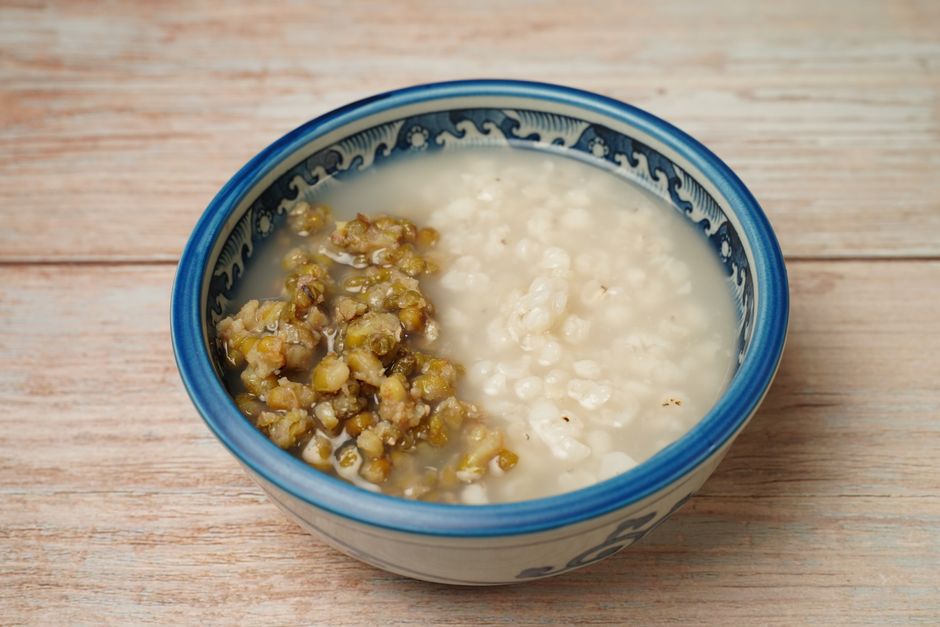
Is Congee Healthy for Weight Loss?
Congee is a rice porridge that has been a breakfast staple across Asia for centuries. It is made by simmering rice in a large amount of water or broth until the grains break down into a thick, creamy texture. For American women trying to lose weight, this humble bowl might seem too simple to be effective, but its unique properties make it worth a closer look.
Yes, congee is healthy for weight loss when prepared with the right ingredients and portion control. Because it is mostly water, congee is naturally low in calories and very filling, which can help you eat less throughout the day. However, the answer to whether is congee healthy for weight depends entirely on what you put in the bowl and how much you serve yourself. A plain bowl of rice porridge is a powerful tool, but loading it with fatty meats and oils can quickly turn it into a calorie trap.
Most generic articles tell you to just “eat healthy” without explaining the mechanics of why a food works. This guide breaks down the actual science of satiety, gives you a clear calorie breakdown, and shows you how to build a congee bowl that supports your goals without leaving you hungry an hour later. We will also address common mistakes that turn a light meal into a heavy one.
Key Points at a Glance
| Point | What It Means | Why It Matters |
|---|---|---|
| High Water Content | Congee is roughly 80% water | Adds volume without adding many calories |
| Low Calorie Base | One cup of plain congee has about 100-120 calories | Leaves room for protein and vegetables in your daily budget |
| High Satiety | Warm, liquid meals keep you full longer | Reduces the urge to snack between meals |
| Toppings Decide Everything | Fried dough and pork add hundreds of calories | Healthy toppings keep it a weight loss food |
How Many Calories Are in a Bowl of Congee?
The calorie count of congee varies wildly based on the rice-to-water ratio and what you add. A basic congee made with one cup of cooked white rice and four cups of water yields about four servings, and each serving contains roughly 100 to 120 calories. That is remarkably low compared to a similar volume of cooked rice, which packs about 200 calories per cup.
The real calorie shift happens with toppings. A traditional Chinese congee with shredded pork, fried shallots, and a drizzle of sesame oil can easily reach 400 to 500 calories per bowl. In contrast, a weight-loss version with chicken breast, scallions, and ginger stays under 250 calories while providing more protein. The choice of rice matters too. White rice cooks faster and is easier to digest, but brown rice congee offers more fiber, which slows digestion and keeps blood sugar steadier.
My observation: I have found that using chicken broth instead of water adds flavor without adding many calories. A good homemade broth makes the congee taste rich, so you do not miss the fatty toppings.
Is Congee Healthy for Weight Loss Compared to Other Breakfasts?
The answer to is congee healthy for weight loss becomes clearer when you compare it to common American breakfasts. A typical bagel with cream cheese runs about 450 calories, and a fast-food breakfast sandwich often exceeds 500 calories. A bowl of congee with chicken and vegetables comes in at roughly half those numbers while delivering a similar feeling of fullness.
Research published in the journal Appetite found that foods with high water content and low energy density tend to increase satiety. Congee fits this profile perfectly because the water is cooked into the rice, so it stays in your stomach longer than a drink of water would. This effect means you are likely to eat fewer calories at your next meal without feeling deprived.
The one downside is protein. Plain congee is very low in protein, which is crucial for preserving muscle mass during weight loss. You must add a protein source like eggs, chicken, or tofu to every bowl. Without it, you may feel hungry again within two hours, which can lead to overeating later in the day.
What Are the Best Toppings for a Weight Loss Congee?
The best toppings for weight loss congee are lean proteins, fibrous vegetables, and flavor boosters that do not rely on oil. Shredded chicken breast, soft-boiled eggs, and firm tofu are excellent protein choices that keep the bowl satisfying. For vegetables, add sliced mushrooms, spinach, or bok choy, which wilt into the porridge and add volume for very few calories.
Flavor is where many people go wrong. Soy sauce, fresh ginger, scallions, and a splash of rice vinegar add big taste for almost zero calories. A teaspoon of sesame oil adds about 40 calories, so it is not forbidden, but it should be measured rather than poured. Crispy fried shallots and pork floss are traditional toppings, but they are calorie-dense and easy to overdo, so they are best reserved for occasional treats rather than daily habits.
My kitchen habit: I keep a container of pre-cooked shredded chicken in my fridge. That way, a weight-loss congee comes together in just a few minutes, and I am not tempted to reach for a frozen breakfast sandwich instead.
Can You Eat Congee Every Day While Losing Weight?
You can eat congee every day, but you should vary the toppings to avoid nutritional gaps. Since the rice base is mostly carbohydrates, you need to pair it with different proteins and vegetables throughout the week. Rotating between chicken, fish, eggs, and tofu ensures you get a range of amino acids and micronutrients.
One concern with daily congee is the glycemic index. White rice congee has a high glycemic index, meaning it can raise blood sugar quickly. For most people, the protein and fiber from toppings blunt this effect. However, if you have type 2 diabetes or prediabetes, you should use brown rice or add a handful of oats to the pot to slow digestion. Some studies suggest that regular consumption of high-glycemic foods may increase hunger and fat storage, but the evidence is mixed, and the overall quality of your diet matters more than any single food.
Frequently Asked Questions
Related Articles
Is congee good for losing belly fat?
No single food targets belly fat, but congee supports overall weight loss, which reduces belly fat over time. Its low calorie density and high water content help you maintain a calorie deficit, which is the only proven way to lose fat.
Can I eat congee at night for weight loss?
Yes, congee can be a good evening meal because it is light and easy to digest. Keep the portion to about one and a half cups and include a protein source to prevent late-night hunger.
Is congee healthier than oatmeal for weight loss?
Both are healthy options, but oatmeal generally has more fiber and protein per serving than white rice congee. Congee wins on volume and calorie density, so the best choice depends on your personal preferences and how you prepare each bowl.
Does congee spike blood sugar?
White rice congee has a high glycemic index and can raise blood sugar quickly, especially when eaten alone. Adding protein, healthy fats, and fiber from toppings slows digestion and helps stabilize blood sugar levels.
How much congee should I eat for weight loss?
A serving of about one to one and a half cups of prepared congee is a reasonable portion for most women. Track your total daily calories with a TDEE calculator to make sure this fits your specific weight loss budget.
Is congee good for digestion?
Yes, congee is very easy to digest because the long cooking process breaks down the rice starches. This makes it a gentle meal for sensitive stomachs, though the low fiber content means you should pair it with vegetables for digestive health.
Calculate your exact daily calorie needs with our TDEE calculator to see how congee fits into your weight loss plan. Knowing your maintenance calories is the first step to building a sustainable deficit.

The TDEECAL Team writes about nutrition, metabolism, and fat loss the way we built our calculator, with real numbers and no hype. We dig into the research so you don’t have to guess.