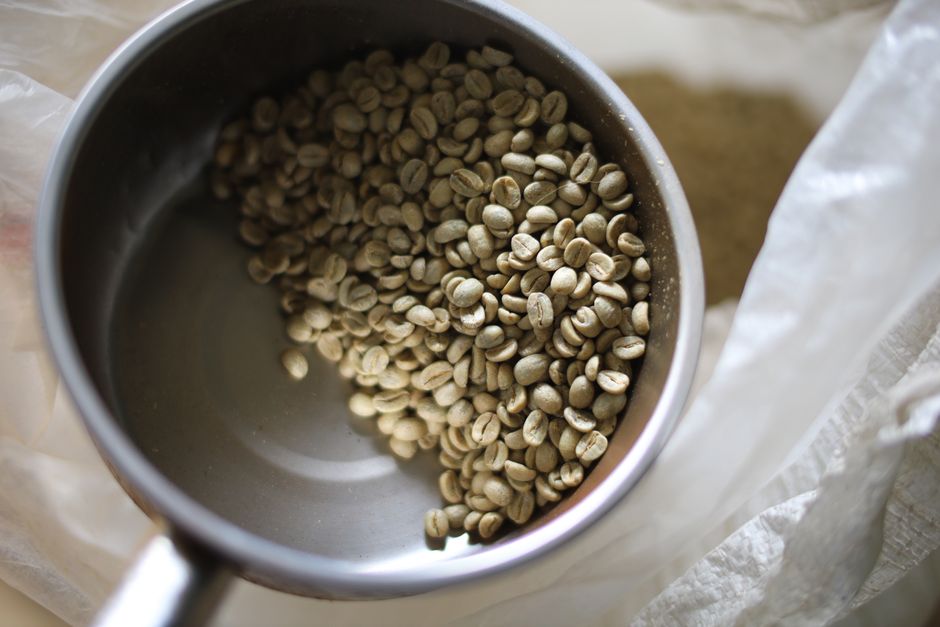
Walk into any supplement aisle and you’ll see green coffee bean extract staring back at you, promising easier weight loss. But the research behind this popular ingredient tells a more complicated story than the labels suggest.
Green coffee bean extract comes from unroasted coffee beans and contains chlorogenic acid, a compound that may influence how your body handles sugar and fat. Clinical studies show modest weight loss effects, but the evidence is mixed and results are far from dramatic. For most women, green coffee bean is good for weight loss only as a minor addition to a solid diet and exercise plan — not a standalone solution.
The problem is that marketing often oversells these supplements. Many brands claim dramatic results that studies simply don’t support. This article breaks down what the research actually says, how much you might expect to lose, and whether the potential side effects are worth it.
You’ll also learn how green coffee compares to regular coffee, what dose has been studied, and why your overall calorie intake matters more than any supplement. By the end, you’ll know whether green coffee bean deserves a place in your routine or your money is better spent elsewhere.
Key Points at a Glance
| Point | What It Means | Why It Matters |
|---|---|---|
| Chlorogenic acid content | Active compound in unroasted coffee beans | May affect blood sugar and fat metabolism |
| Clinical evidence | Some studies show modest weight loss | Results vary widely between individuals |
| Typical weight loss | About 1-3 pounds over 4-8 weeks in studies | Far less than most supplement labels suggest |
| Side effects | Similar to regular coffee | Jitters, sleep issues, and stomach upset possible |
| Bottom line | Minor aid at best | Diet and exercise remain the real drivers of weight loss |
What Is Green Coffee Bean Extract?
Green coffee beans are simply regular coffee beans that haven’t been roasted. The roasting process changes the chemical structure of the bean, including breaking down chlorogenic acid. Since green beans skip this step, they retain much higher levels of this compound.
Chlorogenic acid is thought to work by slowing the release of glucose into the bloodstream after meals. Some animal research suggests it may also influence fat absorption and metabolism. But human studies have produced inconsistent results, and the exact mechanism is still not fully understood.
I’ve noticed that most people assume green coffee extract is stronger than brewed coffee because it comes in concentrated pill form. That’s not necessarily true — the amount of chlorogenic acid in a supplement varies widely by brand, and many products don’t list the actual content on the label.
Is Green Coffee Bean Good for Weight Loss According to Research?
The short answer is that green coffee bean extract shows some promise, but the evidence is far from conclusive. A 2011 study published in the journal Diabetes, Metabolic Syndrome and Obesity found that participants taking green coffee extract lost an average of about 17 pounds over 22 weeks. However, this study has been criticized for its small sample size and potential funding bias.
Other research has shown more modest results. Some studies indicate that people taking green coffee extract lose roughly 1 to 3 pounds more than those taking a placebo over 4 to 8 weeks. The weight loss effect appears strongest in the first few weeks and tends to plateau after that.
The honest truth is that no high-quality, large-scale clinical trial has confirmed green coffee bean as a reliable weight loss tool. The existing studies are small, short-term, and often funded by supplement companies. I’d approach any dramatic claims with healthy skepticism.
Practical takeaway: If you decide to try green coffee bean extract, treat it as a minor boost, not a primary strategy. Track your calorie intake with a TDEE calculator to establish your maintenance level, then create a modest deficit of 300-500 calories per day. That deficit — not the supplement — will drive most of your weight loss.
How Does Green Coffee Bean Compare to Regular Coffee?
Regular brewed coffee contains some chlorogenic acid too, but roasting destroys much of it. A typical cup of black coffee has about 20-50 mg of chlorogenic acid, while green coffee supplements typically provide 100-300 mg per serving. That’s a meaningful difference in active compound concentration.
However, regular coffee has its own advantages for weight management. The caffeine in coffee can slightly boost metabolism and suppress appetite in the short term. Green coffee extract contains caffeine too, but usually less than a comparable serving of brewed coffee.
One thing I always point out to clients is that how you drink your coffee matters more than whether the beans are roasted. A plain black coffee with no added sugar or cream is nearly calorie-free. Adding milk, sugar, or flavored syrups can turn a zero-calorie drink into a 200-400 calorie indulgence that completely cancels out any metabolic benefit.
What Dose Has Been Studied and Is It Safe?
Clinical studies have typically used doses of 100 to 400 mg of green coffee bean extract taken 2 to 3 times daily before meals. The chlorogenic acid content in these products usually ranges from 45% to 50%. Most research suggests this range is generally well-tolerated in healthy adults.
Side effects mirror those of regular coffee consumption. You might experience jitters, increased heart rate, trouble sleeping, or stomach discomfort. People with anxiety disorders, heart conditions, or caffeine sensitivity should be especially cautious. Green coffee extract also contains caffeine, so combining it with other caffeinated products can quickly push you into uncomfortable territory.
No established clinical guideline exists for green coffee bean extract dosing because the evidence base is too thin. If you’re pregnant, nursing, or taking medication for diabetes or blood pressure, talk to your doctor before using any supplement containing green coffee extract.
Why Your Calorie Deficit Matters More Than Any Supplement
Weight loss ultimately comes down to energy balance. You lose weight when you consistently burn more calories than you consume. Supplements like green coffee bean extract might nudge your metabolism slightly, but they cannot override a calorie surplus.
Research consistently shows that sustainable weight loss comes from modest calorie reduction combined with regular physical activity. A 300-500 calorie daily deficit typically produces 1-2 pounds of weight loss per week. That’s roughly equivalent to cutting out one large latte and a cookie each day.
I’ve worked with many women who spent hundreds of dollars on supplements while continuing to eat the same foods in the same amounts. The supplements never produced meaningful changes. When they finally focused on portion sizes and protein intake, the weight started coming off.
Start here: Use the TDEE calculator at tdeecal.com to find your maintenance calories. Then subtract 300-500 calories for a sustainable deficit. Focus on getting enough protein — roughly 0.7-1 gram per pound of body weight — to preserve muscle while losing fat.
Frequently Asked Questions
Related Articles
Is green coffee bean good for weight loss or just a marketing gimmick?
Green coffee bean extract has some modest research support, but the effects are small and inconsistent. Most independent experts view it as a minor supplement at best, not a reliable weight loss tool.
How much weight can you realistically lose with green coffee bean extract?
Studies show an average of 1-3 pounds of additional weight loss over 4-8 weeks compared to placebo. Individual results vary widely, and no study has shown dramatic long-term weight loss from this supplement.
Does green coffee bean extract have the same caffeine as regular coffee?
Green coffee extract contains caffeine but typically less than a standard cup of brewed coffee. A typical supplement dose provides roughly 20-50 mg of caffeine, while a cup of coffee contains about 95 mg.
Can you drink regular coffee instead of taking green coffee bean extract?
Regular coffee contains far less chlorogenic acid because roasting destroys most of it. However, black coffee is essentially calorie-free and can support weight loss through appetite control and a slight metabolism boost.
Are there any serious side effects from green coffee bean extract?
Most side effects are mild and related to caffeine, including jitters, insomnia, and stomach upset. People with heart conditions, anxiety disorders, or caffeine sensitivity should avoid it unless cleared by a doctor.
Should you take green coffee bean extract on an empty stomach?
Most studies administered the supplement before meals, but taking it with food may reduce stomach discomfort. The evidence is too limited to make a firm recommendation either way.
Green coffee bean extract is not a magic bullet for weight loss, but it’s not entirely useless either. The modest research support suggests it might help slightly when combined with a proper calorie deficit and regular exercise. If you try it, keep expectations realistic and monitor how your body responds.
Your best investment is still tracking your calories accurately, prioritizing protein, and staying consistent with physical activity. Use the TDEE calculator to establish your baseline and build a plan that works for your lifestyle.
Remember that supplements are never a substitute for sustainable habits. If green coffee bean extract fits your budget and you tolerate it well, it won’t hurt. But your weight loss results will ultimately come from the choices you make at every meal, not from any single pill.

The TDEECAL Team writes about nutrition, metabolism, and fat loss the way we built our calculator, with real numbers and no hype. We dig into the research so you don’t have to guess.