Is Honey Beans Good for Weight Loss? What the Evidence Shows
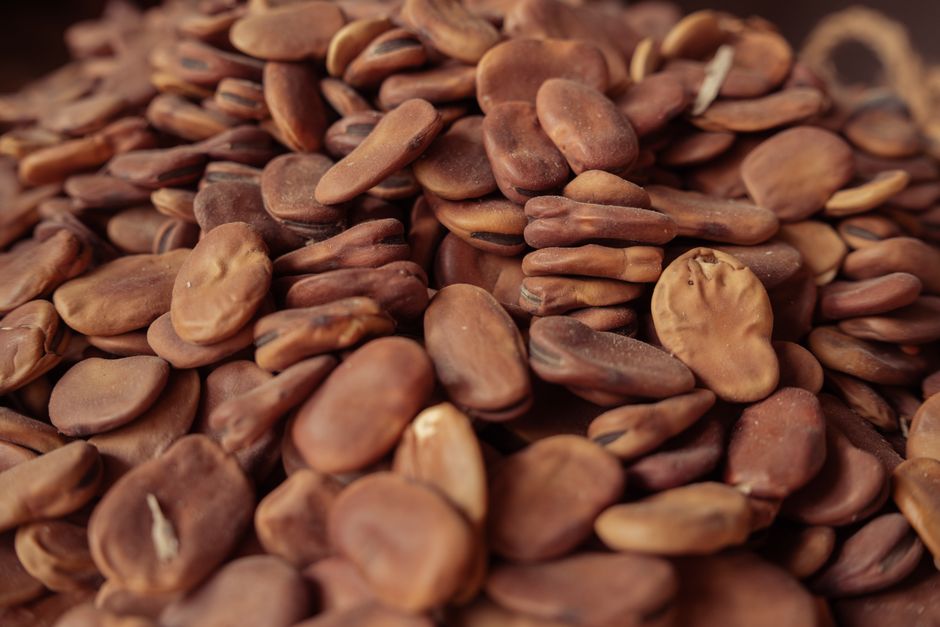
Honey beans—also called hyacinth beans or lablab beans—are a staple legume in many parts of the world. They are not a magic fat-burning food, but they are a solid addition to a weight loss diet for a specific reason: they are high in protein and fiber, which help control appetite.
To answer directly: is honey beans good for weight loss? Yes, honey beans can support weight loss when they replace higher-calorie foods in your diet. A one-cup serving of cooked hyacinth beans provides roughly 180 to 220 calories, along with 11 to 15 grams of protein and 8 to 11 grams of fiber. That protein-fiber combination slows digestion and keeps you full longer, which naturally reduces your total calorie intake.
Most weight loss advice focuses on cutting calories without addressing hunger. That is where honey beans stand out. They are a whole food that makes calorie control feel easier, not harder. This article covers the actual nutritional data, how honey beans compare to other legumes, and the practical ways to use them without wrecking your progress.
Key Points at a Glance
| Point | What It Means | Why It Matters |
|---|---|---|
| High protein content | Roughly 11–15 grams per cooked cup | Protein preserves muscle and increases fullness |
| High fiber content | Roughly 8–11 grams per cooked cup | Fiber slows digestion and stabilizes blood sugar |
| Moderate calorie density | 180–220 calories per cooked cup | Fits easily into a calorie-controlled diet |
| Preparation matters | Boiling removes naturally occurring toxins | Raw or undercooked beans are unsafe to eat |
| Not a standalone solution | No food causes weight loss by itself | Total calorie intake still determines results |
What Are Honey Beans and How Do They Fit Into a Weight Loss Diet?
Honey beans are the seeds of the hyacinth bean plant, a climbing vine grown across Asia, Africa, and the Caribbean. They are also called lablab beans, Indian beans, or field beans depending on the region. The dried seeds are what most people cook and eat, and they behave similarly to other legumes like black beans or chickpeas.
The nutritional profile makes them a strong choice for weight management. Research published in the Journal of Food Science and Technology found that hyacinth beans are a good source of plant protein, complex carbohydrates, and dietary fiber. Some studies also suggest they have a low glycemic index, meaning they do not spike blood sugar as sharply as refined grains.
One thing I have noticed in my own kitchen: these beans take longer to cook than most legumes. Plan for about 45 to 60 minutes of simmering after an overnight soak. The texture holds up well in soups and stews, which makes them easy to add to meals you already cook.
How Do Honey Beans Compare to Other Beans for Weight Loss?
All beans are good for weight loss because they combine protein and fiber in a way that most foods do not. But honey beans have a few specific advantages worth noting.
Compared to black beans, honey beans offer a similar protein content but slightly more fiber per serving. Compared to chickpeas, they are lower in calories per cup while providing comparable satiety. The differences are not dramatic, but they matter if you are tracking your daily intake closely.
The bigger advantage is versatility. Honey beans have a mild, slightly nutty flavor that takes on whatever seasoning you add. I often use them in place of meat in chili or tacos—they hold their shape well and absorb spices without turning mushy.
Some studies suggest that regular legume consumption is linked to lower body weight and reduced belly fat. The evidence is observational, so it does not prove cause and effect. But it aligns with what we know about protein, fiber, and appetite control.
How Many Calories Are in Honey Beans and How Should You Prepare Them?
A single cooked cup of honey beans contains roughly 180 to 220 calories, depending on preparation. That is similar to other legumes and much lower than the same volume of rice or pasta. The protein and fiber content means those calories are doing more work for your appetite than refined carbohydrates would.
Preparation is crucial for both safety and weight loss success. Raw honey beans contain naturally occurring compounds that are toxic to humans. You must boil them thoroughly before eating. Do not eat them raw, sprouted, or lightly cooked.
For weight loss, the best preparation methods are boiling, steaming, or adding them to soups and stews. Avoid frying them in oil or cooking them with heavy sauces, which can add hundreds of calories. A simple approach: cook a batch at the start of the week and add a half-cup to salads, grain bowls, or vegetable stir-fries.
Are There Any Downsides to Eating Honey Beans for Weight Loss?
The main downside is digestive discomfort. Beans contain oligosaccharides, which are complex sugars that the human body cannot fully digest. This can cause gas and bloating, especially if you are not used to eating beans regularly.
The fix is gradual introduction. Start with a quarter-cup serving and increase slowly over a week or two. Soaking the beans overnight and discarding the soaking water before cooking also helps reduce these compounds.
Another consideration is the calorie trap of preparation. Canned honey beans are convenient, but some brands add sugar, salt, or fat. Check the label and choose versions with no added ingredients. If you cook from dried beans, you have full control over what goes in.
For most people, honey beans are a safe and healthy addition to a weight loss diet. No strong clinical evidence currently supports claims that they burn fat directly. They work by helping you feel full on fewer calories, which is the mechanism behind all sustainable weight loss.
Frequently Asked Questions
Related Articles
Can you eat honey beans every day for weight loss?
Yes, you can eat honey beans daily as part of a balanced diet. A half-cup to one-cup serving provides protein and fiber that support appetite control.
Are honey beans better than rice for weight loss?
Honey beans are generally better than white rice for weight loss because they contain more protein and fiber per calorie. They keep you full longer and have a lower impact on blood sugar.
Do honey beans cause weight gain?
No, honey beans do not cause weight gain when eaten in reasonable portions. Weight gain only happens when you consume more calories than your body burns, regardless of the food source.
How do you cook dried honey beans safely?
Soak dried honey beans overnight, drain the water, then boil them in fresh water for at least 45 minutes. Thorough boiling is essential because raw honey beans contain toxic compounds.
Are canned honey beans as healthy as dried ones?
Canned honey beans can be just as healthy if they contain no added sugar, salt, or fat. Rinse them well before using to remove excess sodium.
Can honey beans help with belly fat specifically?
No food targets belly fat specifically, including honey beans. Weight loss from any food happens when total calorie intake is reduced, and fat loss occurs throughout the body.
Honey beans are a practical, evidence-backed addition to a weight loss diet. They are not a miracle food, but they are a reliable way to increase protein and fiber without adding excess calories. Use our TDEE calculator to find your daily calorie target, then plan meals around whole foods like honey beans that make hitting that target feel sustainable.

The TDEECAL Team writes about nutrition, metabolism, and fat loss the way we built our calculator, with real numbers and no hype. We dig into the research so you don’t have to guess.