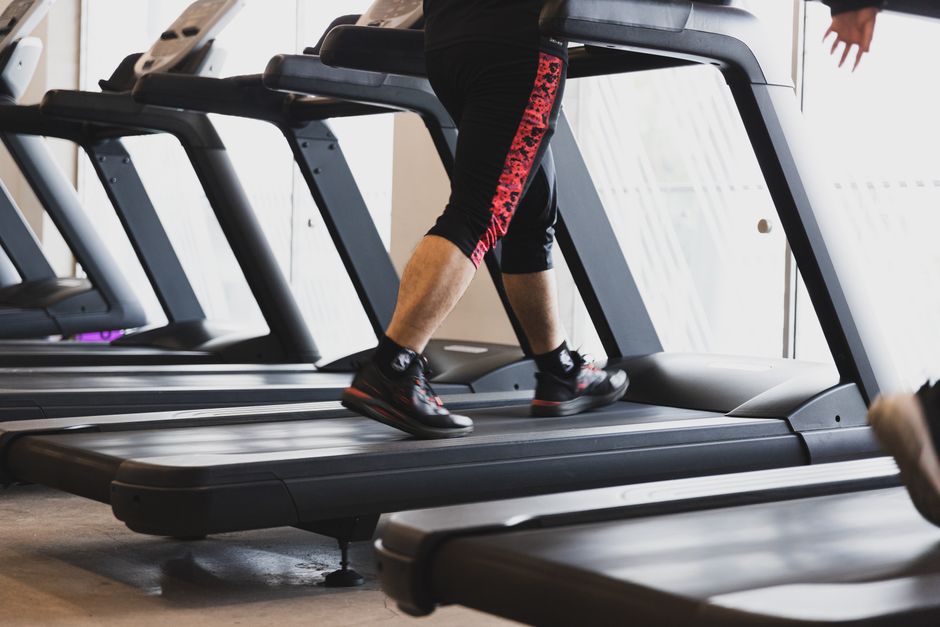
You’ve probably stood in the gym and stared at both machines, wondering which one actually burns more calories. It’s a common question, and the answer depends more on how your body responds than you might think.
The honest answer to whether incline walking or stairmaster is better for weight loss is that both can work well, but they stress your body in different ways. Incline walking tends to be easier on your joints and allows for longer sessions, while the stairmaster often burns slightly more calories per minute but is harder to sustain. The best choice for you comes down to your fitness level, any joint issues, and which one you can do consistently.
Most weight loss advice focuses on which machine burns more calories in a single session. That misses the bigger picture. Your body adapts, your effort varies, and your long-term consistency matters far more than a ten-minute difference in calorie burn.
This article breaks down the real differences between these two machines. You’ll learn how they compare on calorie burn, joint impact, muscle engagement, and which one you’re more likely to stick with over time.
Key Points at a Glance
| Point | What It Means | Why It Matters |
|---|---|---|
| Calorie burn per minute | Stairmaster generally burns more calories per minute | Shorter workouts can still produce good results |
| Joint impact | Incline walking is gentler on knees and ankles | Lower injury risk means more consistent training |
| Muscle engagement | Stairmaster targets glutes and quads more directly | More muscle work can raise your daily metabolism |
| Duration potential | Most people can walk on an incline for longer | Total calories burned may end up similar |
| Long-term adherence | The machine you enjoy wins every time | Consistency drives weight loss more than intensity |
How Many Calories Does Each Machine Actually Burn?
Research published in the Journal of Sports Science and Medicine found that the stairmaster burns roughly 8 to 11 calories per minute for an average adult. Incline walking at a moderate pace burns about 6 to 9 calories per minute, depending on the incline angle and your walking speed. That sounds like a clear win for the stairmaster, but the numbers change when you look at the full picture.
Most people can maintain a steady walk on a 10 to 12 percent incline for 45 minutes without much trouble. The same person might struggle to last 20 minutes on the stairmaster. When you multiply out the totals, a 45-minute incline walk can burn 270 to 400 calories, while a 20-minute stairmaster session burns roughly 160 to 220 calories.
I always tell clients to track their actual time on each machine before deciding. The machine that lets you work longer often wins the calorie battle in practice, even if it burns less per minute.
Is Incline Walking or Stairmaster Better for Your Joints?
Incline walking is clearly gentler on your knees, ankles, and hips. The movement pattern is the same as regular walking, just on a slope. Your feet stay in contact with the ground, which means less impact force traveling through your joints with each step.
The stairmaster involves a constant stepping motion that puts more stress on your knee joint and patellar tendon. If you have a history of knee pain, arthritis, or patellar tracking issues, the stairmaster can aggravate those conditions quickly. Incline walking lets you get a challenging workout while giving your joints a break.
That doesn’t mean the stairmaster is bad. Many people use it without any problems. But if you’re carrying extra weight or have existing joint sensitivity, incline walking is the safer starting point.
Which Machine Builds More Muscle?
The stairmaster engages your glutes, quads, hamstrings, and calves more intensely than incline walking. Each step requires you to lift your entire body weight against gravity, which creates more tension in the lower body muscles. That increased muscle activation can contribute to a slightly higher resting metabolic rate over time.
Incline walking still works your posterior chain, especially your glutes and hamstrings, but with less overall tension. You can increase the muscle-building effect by raising the incline higher or adding a weighted vest. Some studies suggest that the stairmaster’s higher muscle activation may give it a small edge for body composition changes, though the difference is modest.
The practical difference matters less than you’d think. Both machines build enough muscle to support weight loss, especially if you’re new to cardio. Your diet and overall activity level will determine your results far more than which machine you choose.
What About Heart Rate and Endurance?
The stairmaster typically pushes your heart rate higher faster because it demands more continuous effort from large muscle groups. That makes it effective for improving cardiovascular fitness in shorter periods. Incline walking takes longer to elevate your heart rate, but you can sustain it at a steady aerobic zone more easily.
For weight loss, the key is spending enough time in a moderate to vigorous heart rate zone. Both machines can get you there. The stairmaster gets you there quicker but may force you to stop sooner. Incline walking builds a solid aerobic base that supports longer training sessions and better recovery.
I’ve watched gym-goers burn out on the stairmaster within two weeks because it feels punishing. The same people often stick with incline walking for months. That consistency gap is the real deciding factor for weight loss outcomes.
How Should You Choose Between Them?
Start with incline walking if you’re new to exercise, have joint concerns, or want to build a consistent cardio habit. Set the incline between 8 and 12 percent and walk at a pace where you can still hold a conversation but feel challenged. Aim for 30 to 45 minutes per session, three to five times per week.
Choose the stairmaster if you have solid fitness, healthy knees, and want a shorter, more intense workout. Start with 10 to 15 minutes and gradually increase. You can also combine both machines in one session, starting with the stairmaster for 10 minutes and finishing with incline walking for 20.
Your total daily energy expenditure matters more than any single workout. Use a TDEE calculator to find your maintenance calories, then create a modest deficit of 300 to 500 calories per day. That approach will produce steady weight loss regardless of which machine you prefer.
Try each machine for two weeks and track your workouts honestly. The one you don’t dread is the one that will help you lose weight.
Related Articles
Frequently Asked Questions
Is incline walking or stairmaster better for burning belly fat?
Neither machine targets belly fat specifically, since spot reduction is not supported by research. Both can help you create the calorie deficit needed to lose fat all over your body, including your midsection.
How long should I use the stairmaster for weight loss?
Start with 10 to 15 minutes and add a few minutes each week as your fitness improves. A 20 to 30 minute session at a steady pace is a reasonable goal for most people.
Can incline walking replace running for weight loss?
Yes, incline walking can be just as effective as running for weight loss because it burns similar calories with less joint stress. Many people find they can walk longer than they can run, which makes up for the lower per-minute calorie burn.
Which machine is better for beginners?
Incline walking is better for beginners because it uses a natural movement pattern and is easier to control. You can adjust the incline gradually as your fitness improves without worrying about balance or coordination.
Does the stairmaster build visible glute muscle?
Yes, the stairmaster can build noticeable glute muscle because each step requires strong hip extension. Adding resistance or increasing your speed will enhance this effect over time.

The TDEECAL Team writes about nutrition, metabolism, and fat loss the way we built our calculator, with real numbers and no hype. We dig into the research so you don’t have to guess.