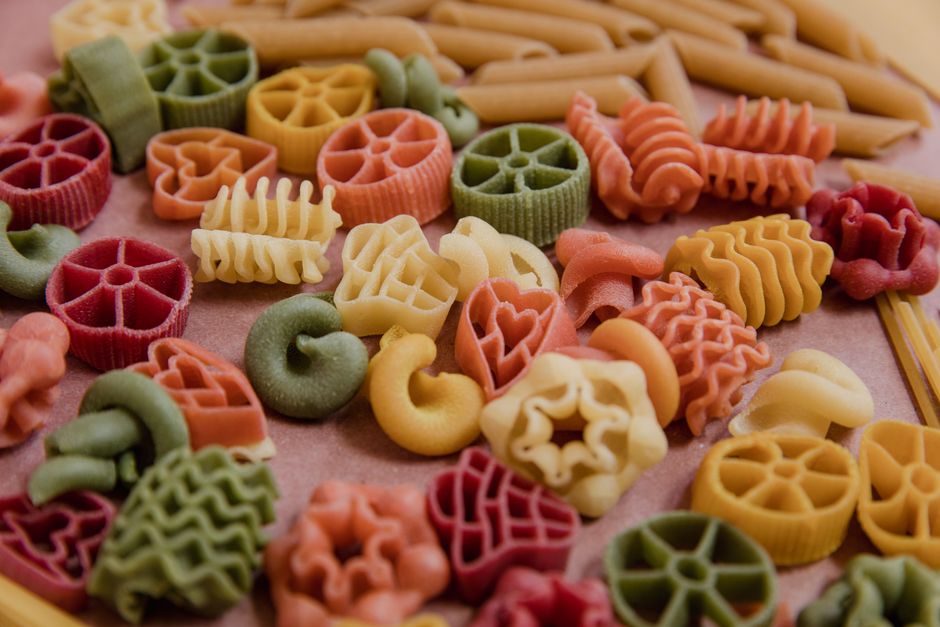
Is Macaroni Healthy for Weight Loss? The Honest Answer
Macaroni often gets labeled as a diet enemy, but that label misses the bigger picture. The truth is that macaroni can fit into a weight loss plan, but only when you control portions and pay attention to what you pair with it. So, is macaroni healthy for weight loss? The answer is yes, but with important conditions—it comes down to calories, portion size, and the nutritional value of the whole meal, not just the pasta itself.
A standard serving of cooked macaroni is about one cup, which contains roughly 200 calories and about 7 grams of protein. The problem is that most people eat two to three times that amount, and they often add high-calorie sauces and cheeses that double the calorie count. You can absolutely lose weight while eating macaroni, but you have to treat it as a measured ingredient rather than an endless bowl.
Most generic advice online tells you to cut carbs completely or swap pasta for zucchini noodles forever. That approach rarely works long-term because it feels restrictive. This article covers the actual calorie math, the protein question, and practical ways to build a macaroni meal that supports weight loss without making you feel deprived.
Key Points at a Glance
| Point | What It Means | Why It Matters |
|---|---|---|
| Calorie Density | One cup of cooked macaroni has about 200 calories | Portion control is the deciding factor for weight loss |
| Protein Content | Macaroni provides about 7 grams of protein per cup | Adding lean protein keeps you full and supports muscle |
| Fiber Levels | Regular macaroni has about 2 grams of fiber per cup | Whole wheat versions double the fiber for better satiety |
| Sauce Impact | Cream sauces can add 300+ calories per serving | Tomato-based sauces keep the meal within calorie goals |
| Glycemic Response | Regular pasta has a moderate glycemic index | Pairing with protein and vegetables blunts blood sugar spikes |
How Many Calories Are in Macaroni and Can It Fit a Diet?
A single cup of cooked macaroni contains roughly 200 calories, according to USDA nutrition data. That number is entirely reasonable for a weight loss diet when you account for it in your daily calorie budget. The trouble starts when portions double or triple, pushing the pasta alone to 400 or 600 calories before you add anything else.
The real calorie problem with macaroni is almost never the pasta itself. It is the butter, cream, full-fat cheese, and heavy meat sauces that pile on hundreds of extra calories. A macaroni and cheese casserole can easily reach 500 to 700 calories per serving, while a simple macaroni with tomato sauce and lean ground turkey stays around 350 to 400 calories.
One observation from years of writing about nutrition: people who successfully lose weight while eating pasta treat it as a side dish, not the main event. Fill half your plate with vegetables, keep the macaroni to one measured cup, and add a lean protein source. That simple structure keeps the meal satisfying without blowing your calorie budget.
Is Macaroni Healthy for Weight Loss Compared to Other Carbs?
Macaroni often gets compared unfavorably to foods like brown rice, quinoa, or sweet potatoes. The comparison misses the point because all of these foods can support weight loss when portioned correctly. Macaroni is not inherently worse than other carbohydrate sources—it is simply more calorie-dense per volume than some alternatives.
The key nutritional difference comes down to fiber and protein. Regular macaroni provides about 2 grams of fiber and 7 grams of protein per cooked cup. Whole wheat macaroni offers roughly double the fiber, which helps you feel full longer and slows digestion. Some research suggests that higher fiber intake supports weight management, though results vary by individual.
What matters most is the total meal composition. A bowl of plain macaroni will spike blood sugar and leave you hungry within two hours. The same macaroni with chicken breast, broccoli, and a tomato-based sauce creates a balanced meal that keeps you satisfied for four hours or more. The pasta is not the problem—the lack of protein and vegetables is.
What Is the Best Way to Eat Macaroni for Weight Loss?
The best approach is to build your macaroni meal around a clear formula: one cup of cooked macaroni, one palm-sized portion of lean protein, and two cups of non-starchy vegetables. This structure keeps the meal around 400 to 500 calories while providing the protein and fiber needed for satiety.
Choose whole wheat or legume-based macaroni if you want more fiber and protein per serving. Chickpea pasta, for example, contains about twice the protein and three times the fiber of regular wheat pasta. The taste and texture differ slightly, but most people adapt within a few meals.
For the sauce, stick with tomato-based options or light olive oil and garlic preparations. A serving of marinara sauce adds only about 40 to 70 calories, while a creamy alfredo sauce can add 300 to 400 calories. You can also stretch macaroni by mixing it with extra vegetables—add zucchini, mushrooms, or spinach to increase volume without adding many calories.
Does Protein in Macaroni Help With Weight Loss?
Macaroni alone does not provide enough protein to support significant weight loss. The 7 grams in a cup of cooked pasta falls short of the 20 to 30 grams typically recommended per meal for satiety and muscle preservation. This is why pairing pasta with a protein source is essential rather than optional.
Research consistently shows that higher protein meals increase fullness and reduce subsequent calorie intake. Adding grilled chicken, lean ground turkey, shrimp, or even a plant-based option like tofu or lentils transforms a macaroni meal into one that supports weight loss. Some studies suggest that protein also helps preserve lean muscle mass during calorie restriction, which keeps your metabolism from slowing down.
One thing I always tell readers: do not rely on macaroni as your protein source. Use it as the carbohydrate base and build the meal around a real protein. This single change makes the difference between a pasta meal that leaves you hungry and one that carries you through the afternoon.
Frequently Asked Questions
Related Articles
Can I eat macaroni every day and still lose weight?
Yes, you can eat macaroni daily and lose weight as long as you stay within your total calorie target. The key is measuring portions and keeping the rest of the meal balanced with protein and vegetables.
Is whole wheat macaroni better for weight loss than regular?
Whole wheat macaroni has about double the fiber of regular pasta, which may help you feel full longer. The calorie difference is minimal, so the main benefit is improved satiety rather than fewer calories.
How much macaroni should I eat for weight loss?
One cup of cooked macaroni is a reasonable serving for weight loss, providing about 200 calories. Measure it dry before cooking—about 2 ounces—to avoid accidentally eating two or three servings.
Does cold macaroni have fewer calories than hot?
Cold macaroni does not have fewer calories, but cooling may increase resistant starch content. This could slightly reduce the glycemic response, though the effect on weight loss is modest and not fully established.
Is macaroni and cheese bad for weight loss?
Macaroni and cheese is not automatically bad, but the cheese sauce adds significant calories and saturated fat. A serving can easily reach 500 to 700 calories, so it requires careful portion control to fit a weight loss plan.
What is the healthiest sauce for macaroni when dieting?
Tomato-based marinara sauce is the healthiest option, adding only about 40 to 70 calories per serving. It also provides lycopene and pairs well with lean proteins and vegetables.

The TDEECAL Team writes about nutrition, metabolism, and fat loss the way we built our calculator, with real numbers and no hype. We dig into the research so you don’t have to guess.