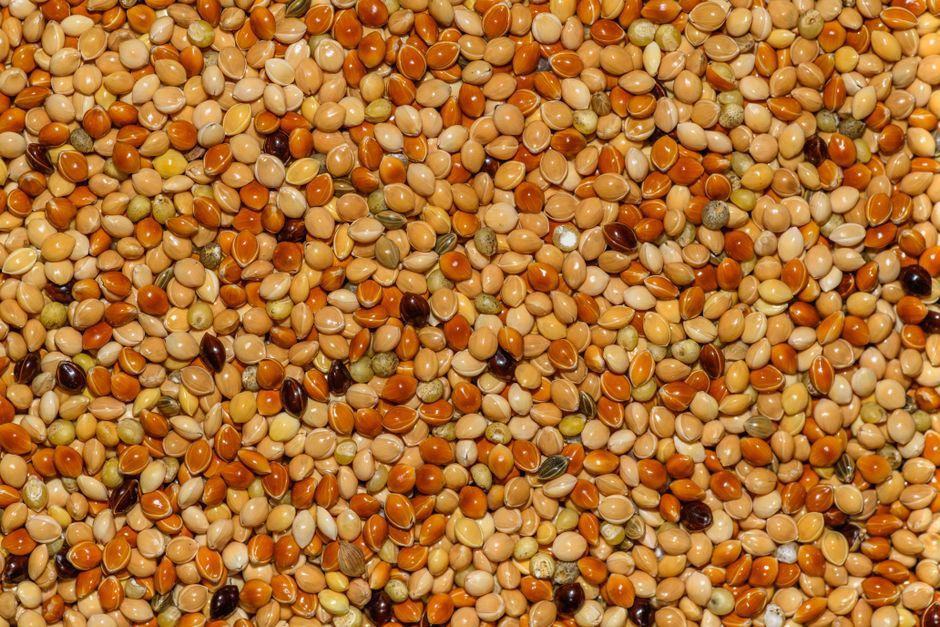
Millet has been a staple grain in parts of Africa and Asia for thousands of years, yet many American dieters have never given it a second thought.
Yes, millet is good for weight loss because it is a whole grain rich in fiber and protein that helps control appetite and keeps you full between meals. A half-cup serving of cooked millet contains roughly 100 to 110 calories, making it a reasonable swap for refined grains like white rice or pasta. This article explains how millet compares to other grains, how to cook it so it actually tastes good, and the honest limits of what it can do for your weight.
Most weight loss advice focuses on what to cut out. Millet offers a different approach: what to add in. It gives you a filling base for meals without the blood sugar spike that often follows white carbs.
But millet is not magic. You still need a calorie deficit to lose weight. What millet does well is make that deficit easier to stick with, and that matters more than any single food.
Key Points at a Glance
| Point | What It Means | Why It Matters |
|---|---|---|
| Calorie content | About 100-110 calories per half-cup cooked | Lets you eat a satisfying portion without blowing your daily budget |
| Fiber | Roughly 1-2 grams per half-cup cooked | Slows digestion and helps you feel full longer |
| Protein | About 3-4 grams per half-cup cooked | Supports muscle maintenance during weight loss |
| Glycemic response | Lower than white rice or refined bread | Helps keep blood sugar steadier after meals |
| Gluten-free | Naturally contains no gluten | Works for people with celiac disease or gluten sensitivity |
Is Millet Good for Weight Loss Compared to Rice or Quinoa?
Millet holds its own against other common grains, and in some ways it comes out ahead. White rice has about the same calorie count per serving but much less fiber and protein. That difference matters because fiber and protein are the two nutrients most linked to feeling satisfied after a meal.
Quinoa is millet’s closest competitor. Quinoa has slightly more protein, but millet is usually cheaper and cooks faster. Both are solid choices. The best grain for your weight loss is the one you will actually eat regularly, not the one with the best nutrition label.
I keep both millet and quinoa in my pantry. When I want a softer, more neutral base for a stew or curry, I reach for millet. It absorbs flavors without competing with them.
Practical tip: Cook millet in broth instead of water for extra flavor without adding calories. A pinch of salt goes a long way here.
How Does Millet Affect Blood Sugar and Appetite?
Research consistently shows that whole grains like millet produce a lower blood sugar response than refined grains. When your blood sugar stays steadier, you avoid the crash that often triggers cravings an hour or two after eating.
Some studies suggest millet may have a particularly favorable effect on blood sugar compared to other cereals. The exact numbers vary by millet type and how it is prepared, but the general direction is clear: choosing millet over white rice is a better bet for appetite control.
One thing to watch is portion size. Millet is still a carbohydrate, and eating a huge bowl of it will add calories quickly. A reasonable serving is about half a cup cooked, roughly the size of a hockey puck.
How Should You Cook Millet for Weight Loss?
Rinse millet thoroughly before cooking to remove any bitter residue. Use a ratio of about one part millet to two and a half parts liquid, and simmer for roughly 20 to 25 minutes until the liquid is absorbed.
Toast the dry millet in the pan for a few minutes before adding liquid. This gives it a nutty flavor that makes it much more enjoyable on its own. I do this every time now; it takes two extra minutes and the difference is noticeable.
Millet works well as a breakfast porridge with cinnamon and berries, a lunch grain bowl with roasted vegetables, or a dinner side under grilled chicken or fish. The key is pairing it with protein and vegetables so your plate is balanced.
Avoid cooking millet with butter or heavy sauces. Those additions can turn a helpful grain into a calorie-dense dish quickly.
What Are the Limits of Millet for Weight Loss?
No single food causes weight loss, and millet is no exception. You still need an overall calorie deficit, which means eating fewer calories than your body burns. Millet can help you feel full on fewer calories, but it cannot override a diet that is consistently over your maintenance level.
Some people find millet slightly bitter or dry compared to rice. If you do not enjoy the texture, you will not stick with it, and consistency matters more than perfection.
Millet also contains compounds called antinutrients that can slightly reduce mineral absorption. This is rarely a problem for people eating a varied diet, but it is worth knowing if you rely heavily on millet as your main grain.
If you are trying to figure out how many calories you need to lose weight in the first place, use a TDEE calculator to find your maintenance level. From there, a modest deficit of 300 to 500 calories per day is a reasonable starting point for most women.
Related Articles
Frequently Asked Questions
Is millet good for weight loss every day?
Yes, eating millet daily can support weight loss if you keep portions reasonable and pair it with protein and vegetables. Variety in your diet is still important, so rotating millet with other whole grains is a smart approach.
How many calories are in a serving of millet?
A half-cup of cooked millet has roughly 100 to 110 calories depending on how it is prepared. Dry millet has more calories per cup because it is concentrated before cooking.
Does millet make you feel full?
Yes, millet’s fiber and protein content help slow digestion and promote satiety. Most people feel satisfied for several hours after a meal that includes millet.
Is millet better than white rice for weight loss?
Millet is generally a better choice than white rice because it has more fiber and protein for a similar calorie count. These nutrients help control appetite and steady blood sugar.
Can millet cause weight gain?
Millet can contribute to weight gain if you eat it in large portions or prepare it with heavy fats and sugars. Any food eaten in excess of your calorie needs can lead to weight gain.
Is millet gluten-free?
Yes, millet is naturally gluten-free. It is a safe grain choice for people with celiac disease or non-celiac gluten sensitivity.
Millet is a useful tool for weight loss, not a shortcut. It fills you up, keeps your blood sugar steadier, and gives you a satisfying base for healthy meals. The real work is still portion control and overall calorie balance.
If you are ready to build a weight loss plan around your actual numbers, start by calculating your maintenance calories. That single number makes every food choice easier to evaluate.
Try swapping millet for rice two or three times this week and see how your hunger levels respond. Small changes like this are how lasting habits get built.

The TDEECAL Team writes about nutrition, metabolism, and fat loss the way we built our calculator, with real numbers and no hype. We dig into the research so you don’t have to guess.