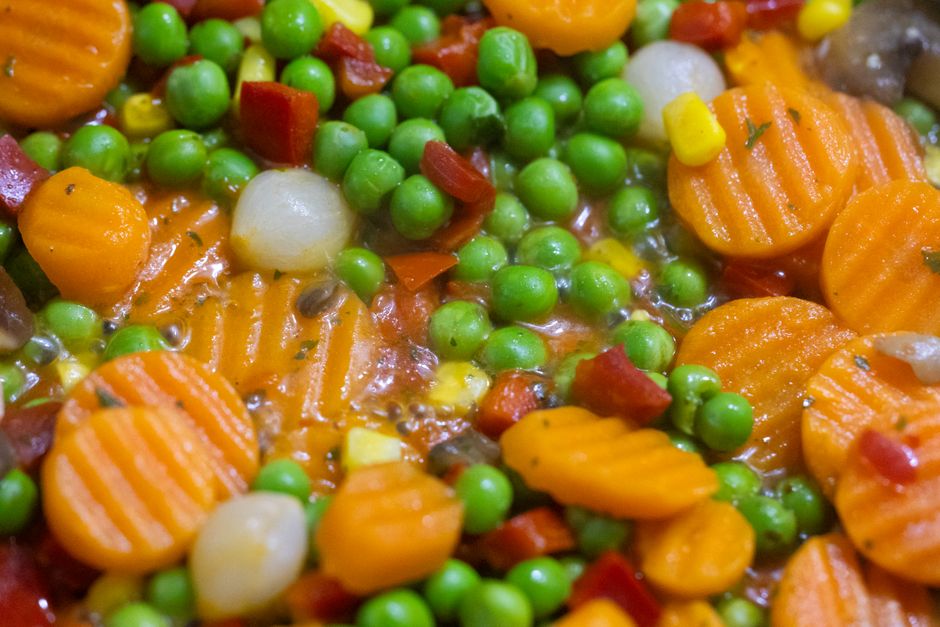
You’ve probably stood in the frozen aisle wondering if those bagged mixed vegetables actually help or if they’re just another health claim. That question matters because weight loss often comes down to small, consistent food choices — and vegetables are one tool that can work without feeling like a diet.
The direct answer is yes: mixed vegetables are good for weight loss. They are low in calories (typically 50–80 calories per cup), high in fiber, and full of water, which helps you feel full with fewer total calories. Adding them to meals makes it easier to stay in a calorie deficit without feeling deprived. The catch is how you prepare them — heavy sauces, butter, or oil can cancel out that advantage quickly.
Most people group all vegetables together, but mixed vegetables offer a wider range of nutrients and textures than eating just broccoli every night. They also make meal prep simpler. A single bag of frozen mixed vegetables gives you several servings of different vegetables without washing, chopping, or planning. That convenience matters when you’re trying to stick with a weight loss routine long enough to see changes.
This article covers what the evidence actually says about mixed vegetables and weight loss, how preparation affects calories, and what common mistakes could slow your progress.
Key Points at a Glance
| Point | What It Means | Why It Matters |
|---|---|---|
| Calorie density | Mixed vegetables provide about 0.3–0.5 calories per gram | You can eat a large volume for few calories, making hunger easier to manage |
| Fiber content | 1 cup offers 3–5 grams of fiber | Fiber slows digestion and increases satiety between meals |
| Nutrient variety | Each vegetable contributes different vitamins and minerals | Better overall nutrition without eating multiple separate dishes |
| Preparation impact | Steaming or roasting without added fat keeps calories low | Choosing the right cooking method preserves the weight loss benefit |
How Mixed Vegetables Help Maintain a Calorie Deficit
Weight loss happens when you consistently eat fewer calories than you burn. Mixed vegetables help because they add bulk to meals without adding many calories. A cup of mixed vegetables takes up space on your plate and in your stomach, which can reduce how much higher-calorie food you eat afterward.
I roast a bag of frozen mixed vegetables with just salt and pepper until the edges brown slightly. That small step makes them taste sweeter without needing butter or oil. It’s a simple adjustment that keeps a 1‑cup serving under 70 calories.
Is Mixed Vegetables Good for Weight Loss Compared to Other Vegetables?
Single vegetables like broccoli or spinach are also low in calories, but mixed vegetables offer a practical advantage. You get multiple nutrients from one ingredient, which reduces the mental effort of eating a varied diet. Research consistently shows that people who eat a wider variety of vegetables are more likely to maintain weight loss over time.
The calorie difference between a cup of mixed vegetables and a cup of broccoli is usually less than 10 calories. That small gap is not worth worrying about. What matters more is whether you actually eat them consistently — and mixed vegetables make that easier for most people.
Practical note: Canned mixed vegetables often contain added sodium. Rinse them under cold water before heating to reduce salt by about 40%. Frozen or fresh options are better if you are watching your sodium intake.
Preparation Methods That Keep Calories Low
The way you cook mixed vegetables changes their calorie count more than the vegetables themselves do. Steaming, microwaving, or roasting with minimal oil keeps the calorie density low. Sautéing in butter or tossing in creamy sauce adds 100–200 extra calories per serving — enough to turn a weight‑loss helper into a calorie surplus.
My rule of thumb is simple: one teaspoon of oil per pound of vegetables when roasting. That gives enough coating for even browning without adding more than 40 calories per serving. If you want more flavor, use spices, citrus juice, or a splash of vinegar instead of extra fat.
Common Mistakes That Reduce the Weight Loss Benefit
Adding mixed vegetables to a dish that is already calorie‑dense, like cheesy pasta or heavy casseroles, does not automatically make it a weight‑loss meal. The vegetables add nutrients and fiber, but the overall calorie count of the dish still depends on the other ingredients. A better approach is to replace some of the higher‑calorie components — such as using half cauliflower rice instead of white rice in a stir-fry.
Another common mistake is relying on mixed vegetables as the only vegetable in your diet. They work well as a base, but eating them every day without variety can lead to boredom, which makes it harder to stick with eating habits that support weight loss.
Related Articles
Frequently Asked Questions
Can you eat too many mixed vegetables on a weight loss diet?
It is very difficult to overeat mixed vegetables because they are low in calories and high in fiber. However, if you add high‑calorie toppings or cook them in large amounts of oil, the calories can add up quickly.
Are frozen mixed vegetables as healthy as fresh for weight loss?
Frozen vegetables are often nutritionally comparable to fresh because they are picked and frozen at peak ripeness. The main difference is that frozen may have a softer texture when thawed, but that does not affect their fiber or calorie content.
Do mixed vegetables count toward my daily fiber goal?
Yes, a one‑cup serving of mixed vegetables typically provides 3 to 5 grams of fiber. The exact amount varies by the mix, but they are a reliable source for meeting the recommended 25 grams per day for women.
Is canned mixed vegetables good for weight loss?
Canned mixed vegetables can work if you choose options with no added salt or sugar. Rinsing them reduces sodium, but they often have a softer texture that may feel less satisfying than fresh or frozen.
Should I avoid starchy vegetables like corn and peas in mixed vegetable blends?
Starchy vegetables like corn and peas contain more calories and carbohydrates than non‑starchy options, but the difference is small in a typical serving. Avoiding them is unnecessary unless you are following a very low‑carb diet.
How many servings of mixed vegetables should I eat per day for weight loss?
Aim for at least 2 to 3 cups of vegetables total per day, which can include mixed vegetables. There is no specific limit, but eating more than 4 cups may cause digestive discomfort for some people.
For a more personalized daily calorie and macro breakdown, use the TDEE Calculator on our site — it factors in your age, activity level, and weight goals to give you a realistic target.

The TDEECAL Team writes about nutrition, metabolism, and fat loss the way we built our calculator, with real numbers and no hype. We dig into the research so you don’t have to guess.