Is Monounsaturated Fat Good for Weight Loss?
Most people think eating fat makes you gain weight. That belief has caused decades of confusion, especially for women trying to slim down. The truth is more complicated — and more hopeful.
Yes, monounsaturated fat is good for weight loss when it replaces less healthy fats and refined carbohydrates in your diet. These fats help you feel full longer, support steady blood sugar, and make healthy meals more satisfying. They are not low-calorie, so portion control still matters. But they work with your body’s hunger signals instead of against them.
Here is what most articles miss: the type of fat matters less than what it replaces. Swapping a handful of almonds for a bag of pretzels changes your hunger chemistry. Swapping olive oil for butter changes your cholesterol profile. The research on monounsaturated fats is strong, but the way you use them determines whether they help or hinder your weight loss.
Key Points at a Glance
| Point | What It Means | Why It Matters |
|---|---|---|
| Satiety | Monounsaturated fats slow digestion and trigger fullness hormones | You eat less overall without feeling deprived |
| Blood sugar | These fats blunt blood sugar spikes after meals | Fewer cravings and energy crashes throughout the day |
| Calorie density | All fats contain 9 calories per gram | Portion control remains essential for weight loss |
| Replacement effect | Benefits appear when replacing refined carbs or saturated fats | Adding fat on top of your current diet causes weight gain |
| Heart health | These fats improve cholesterol markers | Weight loss plus better cardiovascular risk profile |
How Monounsaturated Fat Affects Hunger and Fullness
Monounsaturated fats trigger the release of cholecystokinin, a hormone that signals fullness to your brain. This is why a salad with olive oil keeps you satisfied for hours, while a fat-free dressing leaves you hungry within an hour. The fat slows stomach emptying, which keeps food in your digestive system longer.
Research published in the American Journal of Clinical Nutrition found that meals containing monounsaturated fats increased satiety more than meals with equivalent calories from carbohydrates. Participants naturally ate less at their next meal. This effect is consistent across studies, though individual responses vary.
One practical note from my kitchen: I always add the olive oil to my salad dressing first, then taste before adding more. A tablespoon is about 120 calories, and it is easy to double it without noticing. Measuring once a week helps you calibrate what a real serving looks like.
What Does the Research Say About Weight Loss Outcomes?
Clinical trials comparing weight loss diets show that moderate-fat diets with monounsaturated fats perform as well as low-fat diets for weight reduction. The Mediterranean diet, which is rich in olive oil, nuts, and avocados, consistently shows excellent long-term adherence because people enjoy the food.
A key study published in the New England Journal of Medicine followed people on Mediterranean diets with added olive oil or nuts. Neither group was told to restrict calories. Both groups lost weight and maintained it over five years. This matters because most diets fail from boredom, not hunger.
The evidence is mixed on whether monounsaturated fats directly increase metabolism. Some studies suggest a slight metabolic advantage, but the effect is too small to matter clinically. The real benefit is behavioral: these fats make healthy eating sustainable.
Which Foods Provide the Best Monounsaturated Fats?
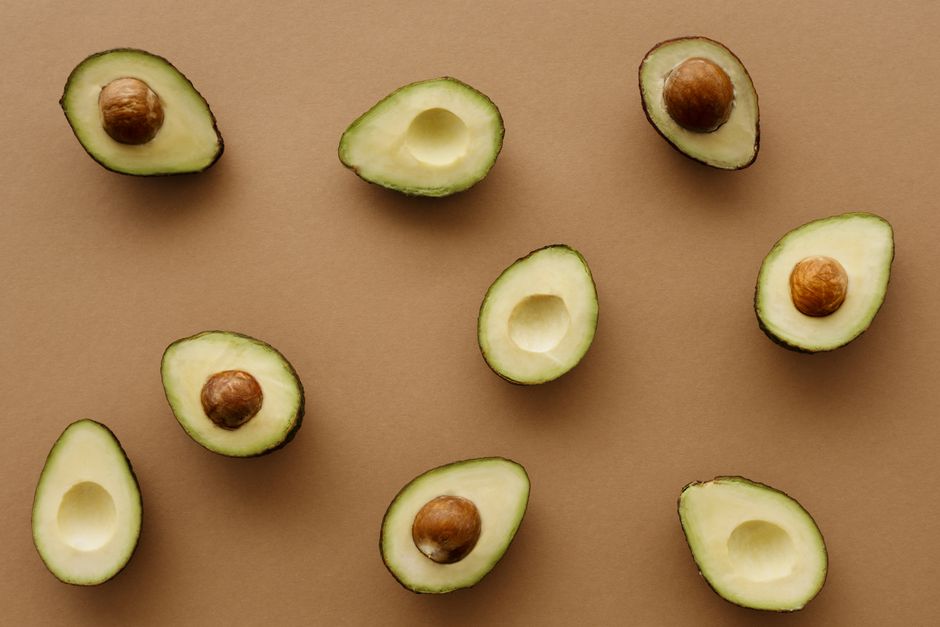
Extra virgin olive oil is the most studied source, with strong evidence for heart and metabolic benefits. Avocados provide about 15 grams of monounsaturated fat per medium fruit, along with fiber and potassium. Almonds, cashews, and macadamia nuts offer convenient portable options.
Research consistently shows that replacing saturated fats with monounsaturated fats improves cholesterol levels and reduces inflammation markers. This is why the Mediterranean eating pattern receives so much attention from researchers. Whole food sources also provide vitamins and antioxidants that isolated oils lack.
I keep a small jar of almonds in my car for emergency hunger. About 15 nuts — roughly 100 calories — bridges the gap between meals without the blood sugar crash you get from crackers or granola bars.
How Much Monounsaturated Fat Should You Eat Daily?
The Dietary Guidelines for Americans recommend keeping total fat between 20 and 35 percent of daily calories. For a 1,800-calorie diet, that means 40 to 70 grams of total fat. Most of this should come from unsaturated sources, including monounsaturated fats.
No established clinical guideline specifies an exact daily amount of monounsaturated fat for weight loss. The research supports replacing less healthy fats rather than counting precise grams. Focus on using olive oil as your primary cooking fat, adding nuts or avocado to meals, and limiting butter and processed foods.
Common Mistakes That Sabotage Weight Loss With Healthy Fats
The biggest mistake is adding monounsaturated fats to an already adequate diet. A tablespoon of olive oil adds 120 calories. An ounce of almonds adds 160 calories. If you eat these on top of your regular meals, you will gain weight regardless of how healthy the fat is.
Another common error is assuming all foods labeled “Mediterranean” or “plant-based” are automatically healthy. Many commercial products with these labels are highly processed. Check ingredient lists and choose whole food sources whenever possible.
The evidence is clear that monounsaturated fats work best as replacements. Swap your breakfast cereal for eggs cooked in olive oil. Replace your afternoon crackers with a small handful of nuts. These substitutions reduce refined carbohydrates while adding healthy fat.
Frequently Asked Questions
Related Articles
Is monounsaturated fat good for belly fat specifically?
Some research suggests monounsaturated fats may help reduce abdominal fat when they replace carbohydrates in your diet. Spot reduction is not possible, but overall weight loss will eventually reduce belly fat.
Can you eat too much monounsaturated fat?
Yes, all fats contain 9 calories per gram, so excess amounts cause weight gain. Stick to the recommended 20 to 35 percent of calories from total fat.
Does olive oil help with weight loss?
Extra virgin olive oil helps weight loss when it replaces butter, margarine, or refined carbohydrates. The same oil added to your current diet will not produce weight loss.
Are avocados good for weight loss?
Avocados are nutrient-dense and satisfying, and studies show they do not interfere with weight loss when eaten in moderation. Half an avocado provides roughly 120 calories.
How is monounsaturated fat different from polyunsaturated fat?
Both are healthy unsaturated fats, but they have slightly different chemical structures. Your body needs both, and most whole food sources contain a mix of the two.
Should I count calories from healthy fats?
Yes, calories from all sources count for weight management. Use your TDEE calculator to determine your maintenance calories, then adjust portions of fats accordingly.

The TDEECAL Team writes about nutrition, metabolism, and fat loss the way we built our calculator, with real numbers and no hype. We dig into the research so you don’t have to guess.