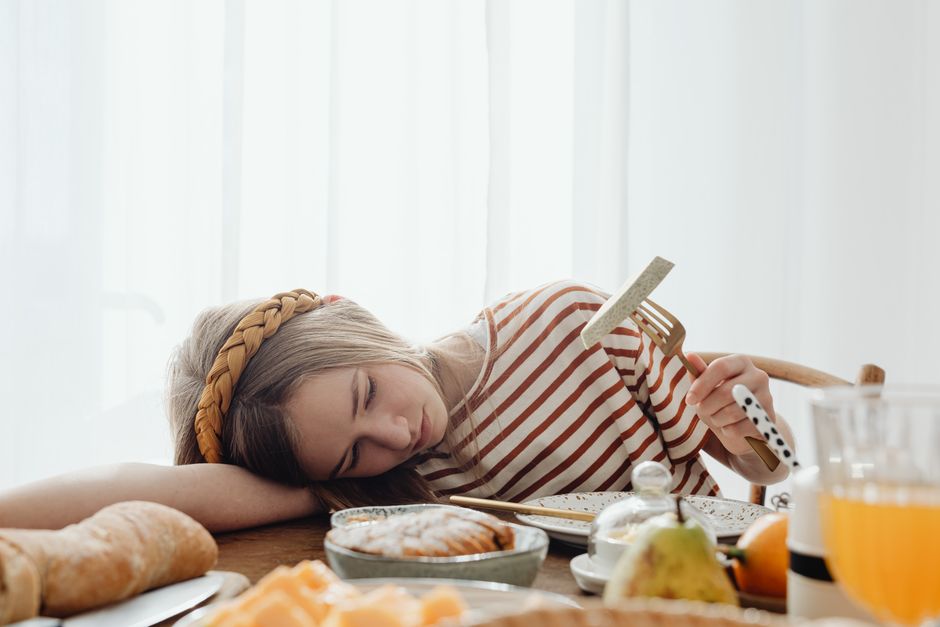
Can a Midday Nap Really Affect Your Weight?
You finally carved out 20 minutes for a nap, then woke up feeling guilty instead of refreshed. You have probably wondered if that downtime is quietly undoing your weight loss efforts.
So, is napping bad for weight loss? The short answer is no — napping itself is not bad for weight. The real issue is what your nap does to your nighttime sleep and your daily calorie intake. A short nap can actually support weight loss by reducing fatigue-driven cravings, but a long or poorly timed nap can disrupt your sleep cycle and make weight loss harder.
Most advice online either tells you to power through or treats naps like a cheat code. The truth sits somewhere in the middle. This article breaks down what the research actually says about naps, sleep, and metabolism — and how to nap without sabotaging your progress.
Key Points at a Glance
| Point | What It Means | Why It Matters |
|---|---|---|
| Nap timing | Naps under 30 minutes are safest | Long naps can leave you groggy and disrupt nighttime sleep |
| Sleep quality | Poor nighttime sleep increases hunger hormones | Better sleep makes it easier to control cravings |
| Calorie intake | Napping does not burn calories directly | Weight loss still comes down to your overall daily balance |
| Consistency | Regular nap times help your body clock | Erratic napping can confuse your circadian rhythm |
Does Napping Slow Down Your Metabolism?
No, a nap does not slow your metabolism. Your metabolic rate stays fairly steady while you rest during the day, just as it does at night. Some research suggests that sleep deprivation actually lowers your metabolic rate, so a short nap may help keep your metabolism working normally.
What matters more is what happens after you wake up. If you nap for over an hour, you may wake up groggy and reach for a sugary snack to feel alert again. That is where the real weight loss trouble starts — not from the nap itself.
Keep your nap to 20 to 30 minutes. Set a timer on your phone so you do not slip into deep sleep, which is much harder to wake from.
How Does Napping Affect Your Nighttime Sleep?
This is the most important question. Your weight loss success depends heavily on getting enough quality sleep at night. When you are sleep-deprived, your body produces more ghrelin, the hunger hormone, and less leptin, the hormone that tells you you are full.
A late-afternoon nap can push your bedtime later or make it harder to fall asleep. That creates a cycle: you nap because you are tired, then you sleep poorly at night, then you need another nap the next day. Over time, this pattern can increase cravings for high-calorie foods.
The fix is simple. Take your nap before 3 p.m. and keep it short. I personally aim for 2:30 p.m. — late enough that I feel the midday slump, but early enough that it never touches my 10:30 bedtime.
Is Napping Bad for Weight Loss When You Are Tired?
No — napping is often the smart choice when you are exhausted. Driving or working while severely fatigued is risky, and pushing through tiredness frequently leads to poor food choices. A short nap can restore your focus and help you make better decisions about what you eat for the rest of the day.
Some research indicates that well-timed naps improve alertness and cognitive performance without harming nighttime sleep. The key is consistency. If you nap every day at the same time for the same duration, your body adapts and your nighttime sleep usually stays intact.
One thing to watch: if you find yourself needing a nap every single day despite getting eight hours of sleep at night, that may signal an underlying issue worth discussing with your doctor.
What Is the Best Way to Nap Without Gaining Weight?
The evidence points to a few clear rules. Nap for 20 to 30 minutes, nap before 3 p.m., and nap in a cool, dark room. These conditions help you wake up feeling refreshed rather than groggy, which reduces the chance of post-nap cravings.
Do not use a nap as a replacement for meals or as a way to avoid eating. Some people skip lunch and nap instead, thinking they are saving calories. That usually backfires — you wake up ravenous and overeat later. Keep your regular meal schedule and use the nap as a supplement to good sleep, not a substitute for food or nighttime rest.
If you are tracking your calories, remember that a nap does not change your daily target. Use our TDEE calculator to find your maintenance calories, then adjust from there based on your goals.
Frequently Asked Questions
Related Articles
Is napping bad for weight loss if I do it every day?
Daily napping is not bad for weight loss if your naps are short and consistent. The problem only appears when naps are long, late in the day, or disrupt your nighttime sleep.
Can a 20-minute nap help with weight loss?
A 20-minute nap can indirectly support weight loss by reducing fatigue and improving your food choices. It does not burn calories directly, but it may help you avoid stress-eating later in the day.
Does napping increase belly fat?
No research shows that napping directly increases belly fat. Belly fat accumulation is driven by overall calorie balance, hormones, and sleep quality — not by the act of napping itself.
Is it better to nap or exercise for weight loss?
Exercise is clearly better for weight loss than napping because it burns calories and builds muscle. But if you are exhausted, a short nap may help you perform better during your workout.
What time should I stop napping to protect my sleep?
Stop napping by 3 p.m. to protect your nighttime sleep. Napping later than that can delay your bedtime and reduce the quality of your overnight rest.
Can naps replace lost nighttime sleep for weight loss?
Naps cannot fully replace lost nighttime sleep for weight loss. Your body needs consolidated deep sleep at night to regulate hunger hormones properly, and multiple short naps do not provide the same benefit.

The TDEECAL Team writes about nutrition, metabolism, and fat loss the way we built our calculator, with real numbers and no hype. We dig into the research so you don’t have to guess.