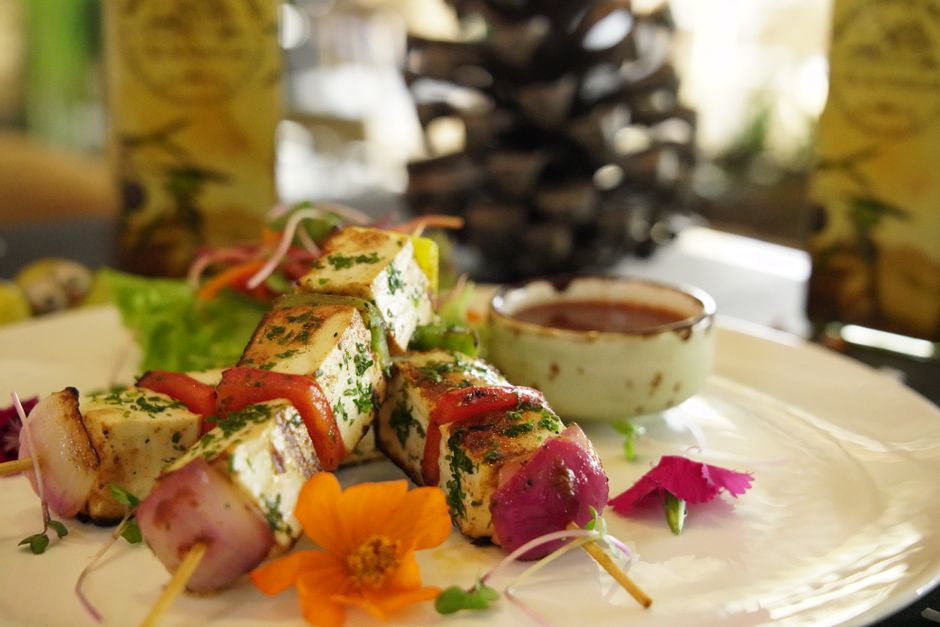
You’ve probably seen conflicting advice about dairy and PCOS, leaving you unsure whether that paneer in your fridge is helping or hurting your weight loss efforts.
Yes, paneer is good for PCOS weight loss when eaten in controlled portions. Paneer provides high-quality protein and calcium while being naturally low in carbohydrates, which helps stabilize blood sugar and keeps you full longer. The key is portion control, since paneer is calorie-dense, and choosing fresh, low-fat varieties when possible. It can absolutely fit into a PCOS-friendly eating plan without sabotaging your goals.
Most generic advice lumps all dairy together or tells you to avoid it completely. That’s not helpful. The reality is that different dairy foods affect your body differently. Paneer, specifically, has a unique nutritional profile that sets it apart from milk or cheese. This article breaks down what the evidence actually says about paneer and PCOS, how to eat it smartly, and what portion sizes make sense.
You’ll also learn how paneer compares to other protein sources, whether it affects your hormones, and practical ways to include it in your weekly meals. No hype, no fear-mongering — just clear information you can use at your next grocery trip.
Key Points at a Glance
| Point | What It Means | Why It Matters |
|---|---|---|
| Protein content | Paneer delivers about 18 grams of protein per 100 grams | Protein preserves muscle and keeps you satisfied between meals |
| Carbohydrate impact | Paneer contains minimal carbs, roughly 3 grams per serving | Low-carb foods help manage insulin, a core issue in PCOS |
| Calorie density | One cup of paneer has about 300 to 350 calories | Easy to overeat; portion control determines success |
| Fat profile | Contains saturated fat, but also conjugated linoleic acid | Full-fat dairy may support hormone function when eaten moderately |
| Calcium benefits | Rich source of calcium, about 500 mg per 100 grams | Calcium plays a role in insulin sensitivity and bone health |
How Paneer Affects Insulin and Blood Sugar in PCOS
Insulin resistance is the driving force behind most PCOS symptoms. When your cells don’t respond well to insulin, your body produces more of it, which triggers weight gain, especially around the midsection. Foods that spike blood sugar make this cycle worse. Paneer barely moves your blood sugar because it’s so low in carbohydrates.
Research published in the American Journal of Clinical Nutrition found that higher protein intake improves glycemic control in women with PCOS. Paneer’s protein also stimulates satiety hormones, which reduces the urge to snack between meals. This makes it a smart choice when you’re building a PCOS-friendly plate.
One thing I noticed in my own cooking: pairing paneer with fibrous vegetables like spinach or broccoli makes the meal even more blood-sugar friendly. The fiber slows digestion further, so your glucose stays steady for hours.
Is Paneer Good for PCOS Weight Loss Compared to Other Proteins?
When you’re comparing protein sources, paneer holds up well against chicken, fish, and legumes. It offers complete protein, meaning it contains all essential amino acids your body needs. Many plant proteins fall short here, which is why paneer can be a valuable addition even if you eat mostly vegetarian meals.
But paneer is more calorie-dense than lean chicken breast. A 100-gram serving of paneer packs roughly 300 calories, while the same amount of cooked chicken breast has about 165 calories. That difference matters if you’re tracking daily energy intake. Choose paneer when you want satiety and variety, but lean meats when you need to maximize protein per calorie.
Some studies suggest that dairy protein may have a beneficial effect on body composition during weight loss. The evidence is mixed, but the overall picture supports including moderate dairy in a calorie-controlled diet. Paneer also contains conjugated linoleic acid, which some research links to modest fat loss, though results vary widely between studies.
Does Paneer Affect Hormones or Inflammation in PCOS?
There’s a common belief that dairy worsens PCOS symptoms by increasing inflammation. The evidence here is genuinely mixed. Some women report more acne or digestive issues with dairy, but clinical studies haven’t confirmed a universal negative effect. What matters more is how your individual body responds.
Calcium itself appears to support insulin sensitivity. A study in the journal Diabetes Care found that higher calcium intake was associated with better insulin function in overweight adults. Since PCOS is fundamentally an insulin problem, getting adequate calcium from foods like paneer may support your metabolic health.
If you notice bloating, skin breakouts, or joint discomfort after eating paneer, your body might be sensitive to it. In that case, reducing portions or choosing aged cheeses with less lactose may help. But for most women, moderate paneer consumption doesn’t cause problems and may actually support weight management goals.
How Much Paneer Should You Eat for PCOS Weight Loss?
No established clinical guideline exists for paneer consumption specifically in PCOS. However, general protein recommendations for women suggest 1.2 to 1.6 grams per kilogram of body weight when trying to lose weight. For a 150-pound woman, that’s roughly 82 to 109 grams of protein daily.
A practical serving size is about 50 to 75 grams of paneer per meal, which provides 15 to 23 grams of protein and roughly 150 to 225 calories. This fits comfortably into a 1,500 to 1,800 calorie weight loss plan. If you’re eating paneer daily, keep your total daily calories in check by balancing it with lower-calorie foods.
I always weigh my paneer before adding it to a dish. It’s surprisingly easy to double your portion without noticing. A kitchen scale costs little and removes the guesswork from portion control.
Practical Ways to Include Paneer in Your PCOS Meal Plan
Paneer’s mild flavor and firm texture make it incredibly versatile. You can grill it, crumble it, or add it to curries without changing your cooking routine much. The key is pairing it with vegetables and whole grains to create a balanced meal.
Try paneer in a vegetable stir-fry with bell peppers and zucchini. Add it to lentil soup for extra protein. Or simply pan-sear it with turmeric and black pepper for a quick snack. Avoid deep-fried paneer dishes like pakoras, which add unnecessary calories and inflammatory oils.
One caution: paneer is naturally high in sodium, which can affect blood pressure over time. If you’re salt-sensitive, rinse store-bought paneer briefly before cooking. Making paneer at home gives you full control over salt content, and it’s simpler than you might think with just milk and lemon juice.
Frequently Asked Questions
Related Articles
Is paneer good for PCOS weight loss every day?
Daily paneer is fine if you keep portions around 50 to 75 grams and stay within your calorie target. Eating it daily doesn’t cause harm, but variety in protein sources is still recommended.
Does paneer increase insulin levels?
Paneer has minimal effect on insulin because it contains very few carbohydrates. Its protein and fat content actually help stabilize blood sugar compared to high-carb foods.
Which is better for PCOS, paneer or tofu?
Both work well, but they differ in nutrition. Tofu has fewer calories and less saturated fat, while paneer offers more protein and calcium per serving.
Can paneer cause weight gain in PCOS?
Paneer only causes weight gain if you consistently eat more calories than your body burns. A reasonable portion fits easily into a weight loss plan.
Is full-fat or low-fat paneer better for PCOS?
Full-fat paneer may support hormone function better, but it also has more calories. Low-fat paneer works when you need to reduce calorie intake significantly.
How much protein is in 100 grams of paneer?
Fresh paneer contains approximately 18 grams of protein per 100 grams. The exact amount varies slightly depending on how it’s made and whether it’s full-fat or low-fat.
If you’re tracking your daily calorie needs for PCOS weight loss, use our TDEE Calculator to find your maintenance calories and create a sustainable deficit.

The TDEECAL Team writes about nutrition, metabolism, and fat loss the way we built our calculator, with real numbers and no hype. We dig into the research so you don’t have to guess.