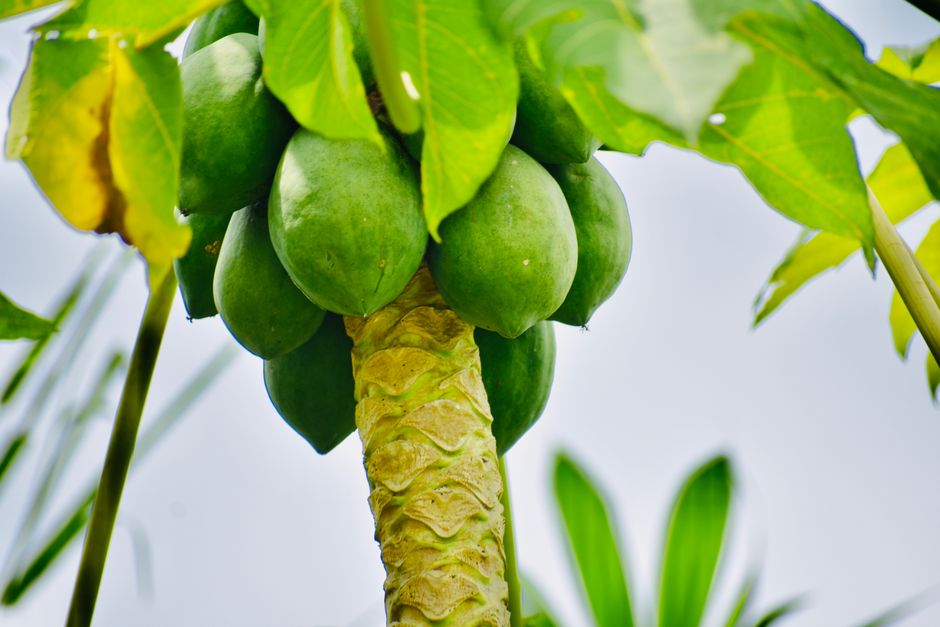
Papaya is often called a weight-loss-friendly fruit, but the real story is more interesting than just “it’s low in calories.” The short answer is yes, papaya can support weight loss, but not for the reasons most people think. Is papaya healthy for weight loss? It helps because of its unique enzyme, high water content, and fiber — not because it burns fat directly. This article explains what the evidence actually shows, what to watch out for, and how to eat it in a way that works for real life.
Most weight loss advice about fruit is too simple. People hear “eat fruit” and assume it is automatically good. But some fruits are high in sugar and low in fiber, which can stall progress. Papaya sits in a smarter spot. It is lower in sugar than many tropical fruits, and it brings specific digestive benefits that may help you feel better while eating less.
I have been writing about nutrition for years, and I still see confusion around papaya. Some people think it is a “miracle” food. Others avoid it because they think fruit is bad for weight loss. Neither is quite right. Let me walk through what the research actually says, not what the wellness blogs claim.
Key Points at a Glance
| Point | What It Means | Why It Matters |
|---|---|---|
| Calories | About 60 calories per cup | Lets you eat a satisfying portion without blowing your daily budget |
| Fiber | 2.5 grams per cup | Helps slow digestion and keeps you full longer between meals |
| Water content | Over 88% water | Adds volume to meals without extra calories |
| Papain enzyme | Breaks down protein in the stomach | May reduce bloating and improve digestion after protein-heavy meals |
| Natural sugar | 8 grams per cup | Lower than mango, banana, or grapes — better for blood sugar control |
How Papaya Helps With Weight Loss
Papaya works for weight loss in three main ways. First, it is low in calories for the volume it provides. One cup of cubed papaya has about 60 calories. You can eat a full bowl and feel satisfied without eating a significant amount of energy. That is the same basic principle behind eating more vegetables — you fill up on fewer calories.
Second, the fiber content matters more than people realize. Most Americans do not get enough fiber. Papaya gives you about 2.5 grams per cup. That is not a huge amount on its own, but it adds up when you eat it regularly. Fiber slows stomach emptying, which means you feel full longer. It also feeds gut bacteria, which may help regulate appetite over time.
Practical tip: I always eat papaya with a source of protein — like Greek yogurt or cottage cheese. The fiber and protein together keep me full for hours. Eating fruit alone often leaves me hungry again within an hour.
Third, the papain enzyme gets a lot of attention, but the evidence is mixed. Papain breaks down protein in the stomach. Some small studies suggest it may reduce bloating and improve digestion after heavy meals. But strong clinical evidence that papain directly causes weight loss is still limited. It may help you feel less uncomfortable after eating, which is useful, but do not expect it to burn fat.
Is Papaya Healthy for Weight Loss Compared to Other Fruits?
This is where the comparison matters. A cup of mango has about 100 calories and 23 grams of sugar. A cup of banana has about 130 calories and 17 grams of sugar. Papaya sits much lower at 60 calories and 8 grams of sugar. If you are trying to lose weight and want a sweet fruit, papaya is a smarter choice than most tropical options.
Berries are still lower in sugar than papaya. Raspberries and blackberries have about 5 grams of sugar per cup. But papaya offers a different texture and flavor that works well in savory dishes, not just sweet ones. That makes it more versatile for meal prep. You can add it to salsa, salads, or blend it into a dressing. Berries do not work as well in those contexts.
One thing I notice often is that people eat papaya in huge portions without thinking about it. A whole medium papaya has about 120 calories. That is fine. But if you eat two whole papayas in a day, that is 240 calories plus 32 grams of sugar. Still reasonable, but it adds up if you are not tracking anything else. Portion control still matters.
How to Eat Papaya for Weight Loss
Eat papaya as part of a meal, not as a standalone snack. The fiber helps, but it works better when paired with protein or fat. Try it with plain Greek yogurt, a handful of almonds, or mixed into a chicken salad. That combination slows digestion further and keeps blood sugar steady.
Avoid the common mistake of blending papaya into smoothies with lots of added fruit and juice. A smoothie with papaya, banana, mango, and orange juice can easily hit 400 calories and 60 grams of sugar. That is more like a dessert than a weight loss tool. Keep smoothies simple — papaya, spinach, unsweetened almond milk, and a scoop of protein powder.
Green papaya is different from ripe papaya. Green papaya is unripe and has a firmer texture and milder flavor. It is often used in savory dishes like Thai salads. It has slightly more fiber and less sugar than ripe papaya. If you can find it, it is worth trying. But most people will eat ripe papaya, and that works fine too.
Common Mistakes People Make With Papaya
One mistake is eating papaya late at night and expecting it to aid digestion. The papain enzyme works in the stomach, not after food has already been digested. Eating papaya right before bed will not do much for digestion during sleep. It is better to eat it with a meal earlier in the day.
Another mistake is assuming dried papaya is the same as fresh. Dried papaya is often coated in added sugar. A single serving can have 20 grams of sugar or more. Read the label carefully. If the ingredients list sugar as the second item, it is not a weight loss food. Stick with fresh papaya whenever possible.
Some people also rely on papaya supplements or enzyme pills for weight loss. The evidence does not support this. Supplements are not regulated the same way food is. You are better off eating the whole fruit. You get fiber, water, and other nutrients that the supplements do not provide.
Frequently Asked Questions
Related Articles
How many calories are in a cup of papaya?
One cup of cubed papaya has about 60 calories. That makes it one of the lowest-calorie tropical fruits you can eat.
Does papaya burn belly fat?
No food burns belly fat directly. Papaya can help with overall weight loss by keeping you full on fewer calories, but spot reduction is not possible.
Is papaya high in sugar?
Papaya has about 8 grams of sugar per cup. That is lower than most tropical fruits like mango, banana, and pineapple.
Can I eat papaya every day while trying to lose weight?
Yes, one cup of papaya per day fits easily into a weight loss plan. Just watch your total fruit intake and balance it with protein and vegetables.
Is green papaya better for weight loss than ripe papaya?
Green papaya has slightly more fiber and less sugar than ripe papaya. Both are good options, but green papaya works better in savory dishes.
Does papaya help with bloating?
The papain enzyme may help with protein digestion, which could reduce bloating after heavy meals. The evidence is limited but promising for some people.
If you want to track your calories and see how papaya fits into your daily goals, use our TDEE Calculator to find your maintenance calories. From there, you can plan meals that keep you in a sustainable deficit.
Papaya is a useful tool for weight loss, not a magic solution. Eat it with protein, watch your portions, and skip the dried versions. That is the honest advice that works in real life.

The TDEECAL Team writes about nutrition, metabolism, and fat loss the way we built our calculator, with real numbers and no hype. We dig into the research so you don’t have to guess.