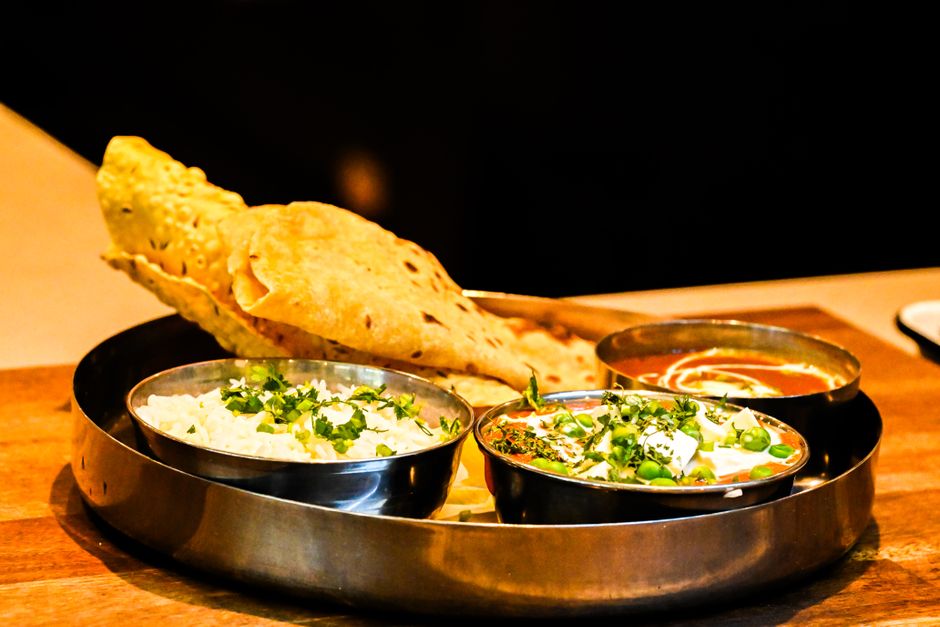
Is Phulka Good for Weight Loss?
Phulka is a thin, whole-wheat flatbread that puffs up on an open flame. It is made without oil or ghee, which makes it a lower-calorie option than many other Indian breads. For most people trying to lose weight, phulka is a good choice because it provides fiber and complex carbohydrates that keep you full.
So, is phulka good for weight loss? Yes, when eaten in the right portions, phulka can absolutely fit into a weight loss plan. The key is controlling how many you eat and what you pair with them. This article breaks down the calorie content, how it compares to other breads, and the smartest ways to include it in your diet.
Most advice about Indian food and weight loss focuses on what to avoid. But blanket rules like “no roti after 6 PM” ignore the actual science of calories and satiety. Here, we focus on what the evidence says about portion control, fiber, and realistic meal planning.
Key Points at a Glance
| Point | What It Means | Why It Matters |
|---|---|---|
| Calorie Density | One phulka has roughly 70–80 calories with no added fat. | Lower calorie count than fried breads like puri or bhatura. |
| Fiber Content | Made from whole wheat atta, it retains natural fiber. | Fiber slows digestion and helps you feel full longer. |
| Portion Control | Typical serving is 2–3 phulkas per meal. | Easy to track and measure compared to loose rice or pasta. |
| Glycemic Impact | Whole wheat has a lower glycemic index than white flour. | Helps avoid sharp blood sugar spikes after meals. |
How Many Calories Are in a Phulka?
A single medium-sized phulka made from 25 grams of whole wheat flour contains roughly 70 to 80 calories. This estimate comes from standard USDA nutritional data for whole wheat flour, which lists about 340 calories per 100 grams. Since phulka is cooked without oil, those calories come almost entirely from the flour itself.
Compare that to a fried puri, which can easily reach 150 calories or more because it absorbs oil during cooking. The difference is significant for anyone tracking daily intake. I always weigh my dough balls before rolling them out — a 25-gram ball makes a perfectly sized phulka, and it keeps my calorie count honest.
Is Phulka Good for Weight Loss Compared to Rice or Bread?
The answer depends on portion size, not on some magical property of the food itself. A serving of phulka (two pieces) provides about 150 calories of complex carbohydrates. A cup of cooked white rice provides roughly 200 calories with less fiber and protein.
Whole wheat phulka has an edge over white rice and white bread because of its fiber content. Fiber slows stomach emptying, which means you feel satisfied for a longer period after eating. Some studies suggest that replacing refined grains with whole grains can support weight management, though results vary by individual.
My personal observation after years of cooking and writing about nutrition: people who eat phulka tend to eat slower and feel more satisfied than those who eat the same calories in rice. The chewing required and the denser texture make a real difference in fullness cues.
What Is the Best Way to Eat Phulka for Weight Loss?
Pair your phulka with protein and vegetables rather than eating it alone or with heavy curries. A meal of two phulkas, a bowl of dal, and a side of sautéed vegetables provides balanced macronutrients and roughly 350–400 calories total. That combination is hard to beat for satiety per calorie.
Protein is the most filling macronutrient, and dal, chickpeas, or paneer (in moderation) provide it well. Vegetables add volume and fiber without many calories. Avoid spreading butter or ghee on your phulka — that single addition can double the calorie content.
Use your hand as a portion guide: one phulka is about the size of your palm. Two phulkas plus a generous serving of vegetables and a cup of dal makes a satisfying, weight-loss-friendly meal.
Timing matters less than total daily intake. Some research suggests that eating most of your calories earlier in the day may help with weight loss, but the evidence is mixed. What matters more is consistency — eating phulka at dinner is fine if it fits your daily calorie target.
Are There Any Downsides to Eating Phulka Daily?
For most people, no. The main risk is portion creep — eating four or five phulkas instead of two or three. Each extra phulka adds roughly 75 calories, and those add up quickly over a week.
People with diabetes or insulin resistance should monitor their blood sugar response to phulka. Whole wheat is better than white flour, but it still contains carbohydrates that raise blood sugar. Pairing phulka with protein and fiber-rich vegetables helps blunt that response.
One more thing to watch: some store-bought “whole wheat” atta brands mix in refined flour or add sugar. Check the ingredient list and choose 100% whole wheat flour. The difference in fiber content between true whole wheat and refined flour is substantial.
Frequently Asked Questions
Related Articles
Can I eat phulka every day while trying to lose weight?
Yes, you can eat phulka daily as part of a balanced diet. The key is portion control and pairing it with protein and vegetables to stay within your calorie target.
How many phulkas should I eat in one meal for weight loss?
Two medium phulkas is a reasonable serving for most women aiming to lose weight. This provides roughly 150 calories of carbohydrates, leaving room for protein and vegetables on your plate.
Is phulka better than rice for weight loss?
Phulka generally has an advantage over white rice because it contains more fiber and protein per calorie. However, the total calories in your meal matter more than the specific grain you choose.
Does eating phulka at night cause weight gain?
Eating phulka at night does not cause weight gain by itself. Weight gain happens when you consistently eat more calories than you burn, regardless of the time of day.
What is the healthiest way to cook phulka?
The healthiest method is cooking it directly on a dry tawa or open flame without any oil or ghee. This keeps the calorie count at roughly 75 per piece and preserves the fiber content of whole wheat.
Can I eat phulka if I have diabetes?
You can eat phulka with diabetes, but portion control is essential. Pair it with protein and fiber-rich vegetables, and monitor your blood sugar to understand your personal response.
If you are tracking your daily intake, use our TDEE Calculator to find your maintenance calories and create a modest deficit. That number is the foundation for any weight loss plan, including one that includes phulka.

The TDEECAL Team writes about nutrition, metabolism, and fat loss the way we built our calculator, with real numbers and no hype. We dig into the research so you don’t have to guess.