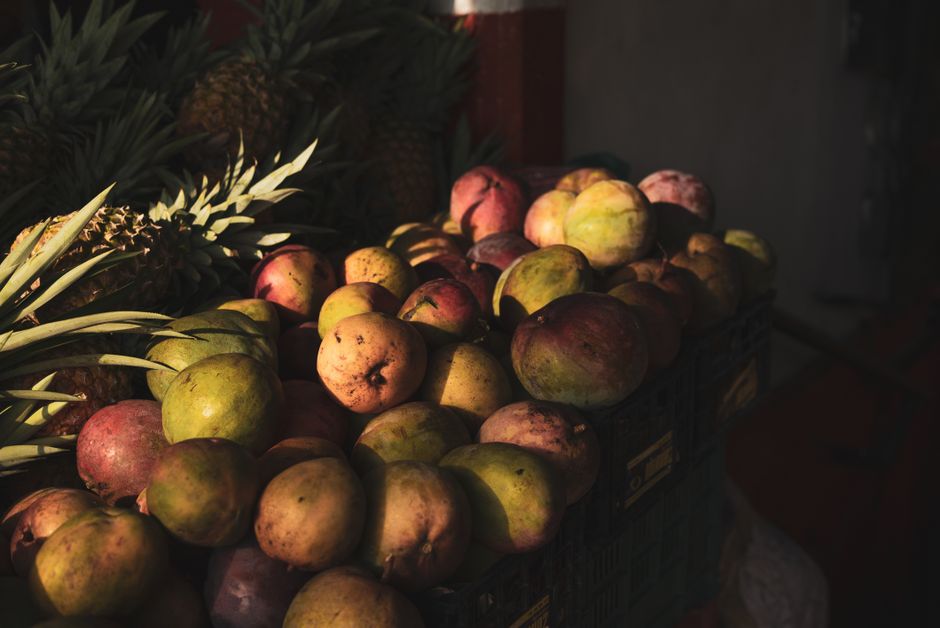
Is Pineapple and Mango Good for Weight Loss?
Two of the sweetest fruits in the produce aisle often get a bad reputation when you are trying to drop pounds. People assume their sugar content will ruin progress. But the story is more complex than a simple sugar count.
Yes, is pineapple and mango good for weight loss when eaten in proper portions, as both fruits are nutrient-dense and relatively low in calories. A cup of fresh mango has about 99 calories, while a cup of pineapple chunks has roughly 82 calories, according to USDA data. They are not the enemy, but portion control is everything because their natural sugars can add up quickly. The fiber and water content in both fruits help you feel full, which supports a calorie deficit.
Most weight loss advice lumps all fruit together, which is unhelpful. This article breaks down the actual calorie math, how these tropical fruits affect your appetite, and the best ways to eat them without stalling your progress. We will also settle the debate about whether you should avoid them after 4 PM.
Key Points at a Glance
| Point | What It Means | Why It Matters |
|---|---|---|
| Calorie content | Both fruits are under 100 calories per cup | You can eat a satisfying serving without breaking your daily budget |
| Fiber and water | High water content and moderate fiber promote fullness | Helps you eat less overall without feeling deprived |
| Natural sugar | Fructose is present but comes with nutrients | Whole fruit is not the same as added sugar |
| Portion size | One cup is a reasonable serving | Larger portions can add 300+ calories quickly |
| Glycemic impact | Mango has a moderate glycemic index | Pair with protein to blunt blood sugar spikes |
How Many Calories Are in Pineapple and Mango?
The calorie math is friendlier than most dieters expect. One cup of raw mango pieces contains about 99 calories, 24 grams of carbs, and 2.6 grams of fiber. One cup of fresh pineapple chunks provides roughly 82 calories, 22 grams of carbs, and 2.3 grams of fiber, according to USDA nutritional data. These numbers vary slightly by ripeness and variety, but they are consistently below most snack foods.
The real problem appears when you eat the entire fruit in one sitting. A large mango can contain 200 to 300 calories, and a full pineapple yields multiple servings. That is not a reason to avoid them, but it is a reason to measure your portion rather than eating straight from the container.
I always weigh my fruit before adding it to a smoothie because a “handful” of mango can easily be double a true serving. A kitchen scale removes all guesswork and keeps your calorie tracking honest.
Can Natural Sugar in Fruit Stall Your Progress?
The sugar in whole fruit is not the same as added sugar. Pineapple and mango contain fructose, but they also deliver water, fiber, and micronutrients that slow digestion and blunt blood sugar spikes. Research consistently shows that whole fruit consumption is associated with lower body weight, not higher. The fiber in both fruits helps you feel full on fewer calories.
That said, fruit sugar still counts toward your daily calorie intake. If you are eating 2,000 calories of food and half of it is mango, you will struggle to lose weight. The issue is not the fruit itself, but how much of it you are consuming relative to your total energy needs.
Some studies suggest that eating fruit before a meal can reduce total calorie intake at that meal. The water and fiber create physical fullness in your stomach. This is a practical strategy rather than a gimmick.
Is Pineapple and Mango Good for Weight Loss Compared to Other Fruits?
Pineapple and mango sit in the middle of the fruit spectrum for calories and sugar. Berries are lower in sugar, while bananas and grapes are slightly higher per serving. But these differences are small when you look at the bigger picture of your entire diet. What matters more is whether you enjoy these fruits enough to keep eating them consistently.
The best fruit for weight loss is the one you will actually eat without getting bored. If you hate grapefruit but love mango, mango is the better choice for you. Variety is still important, but forcing yourself to eat foods you dislike rarely leads to long-term success.
A common mistake is drying fruit or buying canned versions in syrup. Dried mango has about 320 calories per cup because the water is removed, which concentrates the sugar. Canned pineapple in heavy syrup adds significant sugar you do not need. Fresh or frozen versions are the smartest options.
What Is the Best Way to Eat Pineapple and Mango for Weight Loss?
Portion control is the single most important factor. A serving size is one cup of chopped fruit, which is roughly the size of a tennis ball. Measure it once, and you will know what it looks like in your bowl for the future. Eating fruit as a snack between meals is generally better than adding it to a high-calorie dessert.
Blending fruit into smoothies changes how quickly your body absorbs the sugar. The fiber is broken down, so the sugar hits your bloodstream faster. Whole fruit eaten with a fork is the better choice for weight loss because it takes longer to eat and keeps you fuller. If you do make a smoothie, keep the fruit portion to one cup and add protein powder or plain yogurt.
Timing your fruit intake around workouts can also help. The natural sugars provide quick energy before exercise, and the carbohydrates help replenish glycogen afterward. But this only matters if you are actually exercising, not just planning to.
Frequently Asked Questions
Related Articles
Can I eat pineapple and mango every day while losing weight?
Yes, you can eat them daily as long as your total calories stay in a deficit. One cup of each fruit keeps you within a reasonable range.
Is pineapple or mango better for weight loss?
Pineapple is slightly lower in calories per cup, making it marginally better for weight loss. The difference is small enough that your preference should guide your choice.
Should I avoid pineapple and mango at night?
No, eating fruit at night does not cause weight gain on its own. Total daily calories matter more than the time of day you eat them.
Does pineapple burn belly fat?
No food specifically burns belly fat, including pineapple. Weight loss from a calorie deficit will reduce fat all over your body over time.
How much pineapple and mango can I eat in a day?
A reasonable target is one to two cups total per day. This provides nutrients without adding excessive calories to your diet.
Are frozen pineapple and mango as good as fresh?
Frozen versions are just as nutritious because they are picked at peak ripeness and flash-frozen. Just check the label to make sure no sugar was added.
Use our TDEE calculator to find your exact calorie target, then plan your fruit portions around it. Knowing your maintenance number makes every food choice clearer. Track your fruit intake for one week to see how it fits your daily budget.

The TDEECAL Team writes about nutrition, metabolism, and fat loss the way we built our calculator, with real numbers and no hype. We dig into the research so you don’t have to guess.