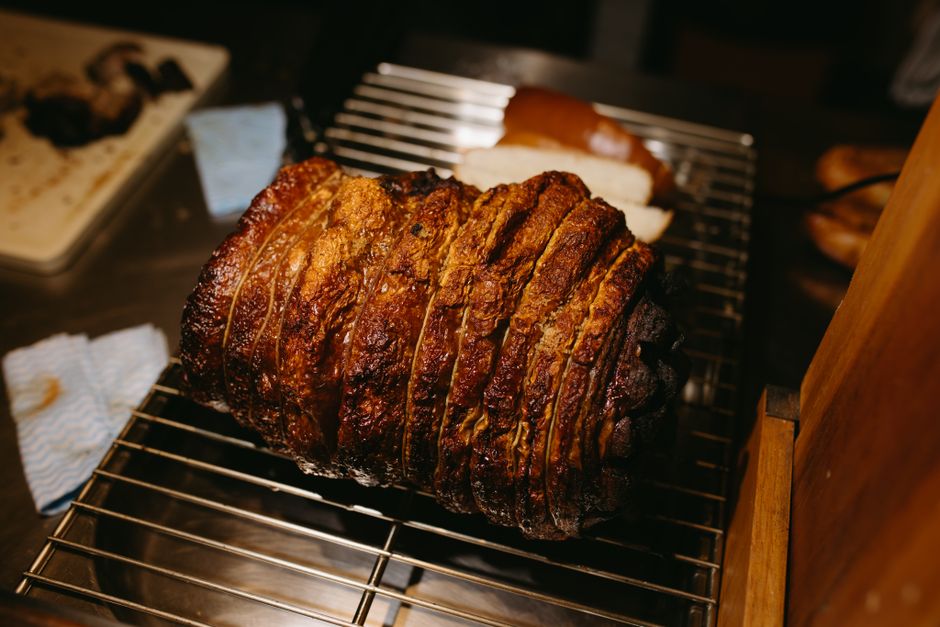
Is Pork Roast Good for Weight Loss? The Honest Answer
Pork roast often gets pushed aside when people plan weight-loss meals, but that might be a mistake. The truth is that a lean cut of pork roast can fit into a calorie-controlled diet quite well.
Is pork roast good for weight loss? Yes, pork roast can be good for weight loss when you choose a lean cut, watch your portion size, and prepare it without heavy sauces or excess fat. A 3-ounce serving of lean pork roast provides roughly 150 to 180 calories with about 22 to 25 grams of protein, which helps you feel full and satisfied. The key is selecting the right cut and cooking method, since not all pork roasts are created equal.
Most generic advice tells you to avoid pork entirely or focuses only on chicken and fish. This article breaks down which cuts actually work, how to cook them for fewer calories, and what the research really says about pork and weight management.
Key Points at a Glance
| Point | What It Means | Why It Matters |
|---|---|---|
| Cut selection | Loin and tenderloin are leanest | Fewer calories and less saturated fat |
| Portion size | 3 ounces is a standard serving | Prevents calorie creep |
| Cooking method | Roasting without added fat works best | Keeps calories in check |
| Protein content | High protein supports fullness | May reduce overall daily intake |
| Trim visible fat | Removes concentrated calories | Saves roughly 30 to 50 calories per serving |
Which Cuts of Pork Roast Are Best for Weight Loss?
Pork tenderloin and pork loin roast are the leanest options you can buy. A 3-ounce serving of pork tenderloin has around 120 to 140 calories and about 24 grams of protein, making it comparable to chicken breast. Pork shoulder and blade roast, on the other hand, contain significantly more marbled fat and can push 250 to 300 calories per serving.
The USDA grades pork based on fat content, and loin cuts consistently rank as the leanest. When you shop, look for roasts labeled “loin” or “tenderloin” and avoid anything labeled “shoulder,” “butt,” or “blade.” These cuts need long cooking times to break down fat, which means more calories per bite.
I always trim any visible fat cap before roasting. It takes two minutes with a sharp knife and makes a noticeable difference in both calories and texture.
How Many Calories Are in a Serving of Pork Roast?
A standard 3-ounce serving of lean pork roast contains roughly 150 to 180 calories depending on the exact cut and preparation. That serving provides 22 to 25 grams of protein and about 8 grams of fat, with only 2 to 3 grams of saturated fat. Compare that to a 3-ounce beef ribeye at around 250 calories, and pork roast looks quite reasonable.
The cooking method changes the numbers more than most people expect. Roasting pork in its own juices adds no calories, but basting with butter or oil can add 100 or more calories per tablespoon. Braising in a fatty liquid or serving with gravy also increases the calorie count quickly.
Is Pork Roast Good for Weight Loss Compared to Chicken?
Pork tenderloin and chicken breast are nearly identical in calories and protein per serving. Both provide about 120 to 140 calories and 24 to 26 grams of protein per 3-ounce cooked portion. The main difference comes down to how you prepare them, not the meat itself.
Some studies suggest that higher-protein diets support weight loss by increasing fullness and preserving muscle mass during calorie restriction. Pork roast fits this pattern because it delivers a complete protein with all essential amino acids. Research published in the American Journal of Clinical Nutrition found that protein intake around 1.2 to 1.6 grams per kilogram of body weight supports weight management better than lower intakes.
The evidence on red meat and health outcomes mostly focuses on processed meats like bacon and sausage, not fresh pork roast. Fresh, unprocessed pork is a different category, and current research does not link moderate consumption to the same health risks.
What Is the Healthiest Way to Cook Pork Roast for Weight Loss?
Roasting at a moderate temperature without added fat produces the leanest result. Season pork with herbs, spices, garlic, and a small amount of salt, then roast at 350°F until the internal temperature reaches 145°F. Let it rest for three minutes before slicing to keep the meat juicy without needing extra fat.
Avoid breading, flour coatings, or sugar-based glazes that add empty calories. A tablespoon of honey or brown sugar adds about 60 calories, and a flour coating can add another 50 to 80 calories per serving. These additions turn a lean meal into a calorie-heavy one without improving satiety.
Slow cookers work well for lean pork roasts if you add a small amount of liquid like broth or water. The low, moist heat keeps the meat tender without requiring added fat. Skip cream-based sauces and opt for a simple pan sauce made from the natural juices.
How Much Pork Roast Should You Eat to Lose Weight?
A 3-ounce portion, about the size of a deck of cards, is a reasonable serving for weight loss. This provides roughly 150 to 180 calories and 22 to 25 grams of protein, which fits well into a standard calorie deficit. Pair it with a generous serving of vegetables and a small portion of complex carbohydrates for a balanced meal.
No established clinical guideline exists for a specific pork roast portion for weight loss. The general recommendation for protein intake during weight loss is 1.2 to 1.6 grams per kilogram of body weight daily, according to several nutrition research groups. For a 150-pound woman, that means roughly 82 to 109 grams of protein per day, and a single 3-ounce pork roast serving covers about a quarter of that need.
Your total daily calorie intake matters more than any single food choice. Pork roast can be part of a successful weight-loss plan as long as your overall intake stays below your maintenance calories.
Related Articles
Frequently Asked Questions
Is pork roast high in fat?
Lean cuts like tenderloin and loin contain only 3 to 4 grams of fat per 3-ounce serving. Fattier cuts like shoulder contain two to three times more fat.
Can you eat pork roast every day while dieting?
Yes, lean pork roast can be eaten daily as part of a balanced diet. Variety still matters, so rotate it with chicken, fish, beans, and eggs.
Does pork roast keep you full longer than chicken?
Both provide similar protein and fullness effects per serving. The satiety difference between pork and chicken is negligible.
Is pork roast considered processed meat?
No, fresh pork roast is unprocessed meat. Processed pork includes bacon, ham, sausage, and deli meats.
What is the best side dish with pork roast for weight loss?
Roasted vegetables like broccoli, Brussels sprouts, or green beans add fiber and volume for few calories. A small portion of sweet potato or quinoa provides complex carbohydrates.
How should you store leftover pork roast?
Refrigerate cooked pork roast in an airtight container for up to four days. Reheat gently to avoid drying out the meat.

The TDEECAL Team writes about nutrition, metabolism, and fat loss the way we built our calculator, with real numbers and no hype. We dig into the research so you don’t have to guess.