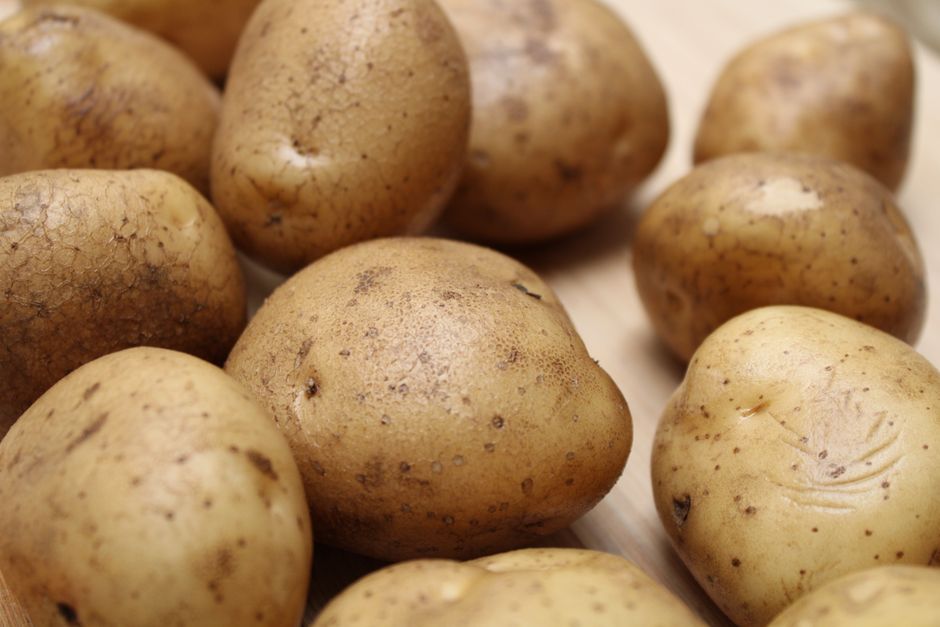
Is Potato Ok for Weight Loss
Most people assume potatoes are the enemy of weight loss. But the research tells a different story.
The honest answer is yes, potato can fit into a weight loss plan when prepared without excess fat and eaten in sensible portions. The question “is potato ok for weight” comes down to how you cook them, what you add to them, and how much you eat — not the potato itself. A medium baked potato has about 160 calories with 4 grams of fiber and protein, which is more satisfying than many people expect.
This matters because potatoes are one of the most affordable and versatile vegetables in the American diet. Yet they get blamed for weight gain that usually comes from fried versions loaded with butter, cheese, and sour cream. This article covers what the evidence actually says about potatoes and weight, how to eat them without derailing your progress, and which preparation methods work best.
Most generic advice tells you to avoid white vegetables entirely. That guidance is outdated. The real issue is portion control and cooking method, not the potato itself.
Key Points at a Glance
| Point | What It Means | Why It Matters |
|---|---|---|
| Calorie density | Boiled or baked potatoes are low in calories per gram | You can eat a filling portion for fewer calories than rice or pasta |
| Satiety score | Potatoes rank high on the satiety index | They keep you full longer, which helps control total intake |
| Preparation method | Frying adds significant calories; boiling or baking does not | Method matters more than the potato itself |
| Glycemic index | Potatoes have a high GI, but cooling lowers it | Chilling cooked potatoes changes the starch structure |
| Portion size | A serving is roughly one medium potato | Large restaurant portions are the real problem |
What Does the Research Say About Potatoes and Weight?
Studies have actually found that potatoes can support weight loss when prepared healthfully. The satiety index, developed in a 1995 study, ranked boiled potatoes as the most filling food among 38 common foods tested. That means participants felt fuller after eating potatoes than after eating white bread, pasta, or rice.
Some research suggests that including potatoes in a calorie-controlled diet doesn’t hinder weight loss. A small study published in the Journal of the American College of Nutrition found that participants who ate potatoes as part of their meals still lost weight. The key factor was that the potatoes were boiled or baked, not fried.
I always tell clients to keep the skin on. The skin holds most of the fiber and potassium, and it adds texture that makes you chew more slowly.
Is Potato Ok for Weight Loss When You Control Portions?
Portion size is the single biggest factor in whether potatoes help or hurt your progress. A reasonable serving is one medium potato, about the size of your fist. That’s roughly 150 to 180 calories depending on preparation.
Restaurant portions often deliver two to three times that amount, plus butter and sour cream on top. That’s how a healthy food becomes a 600-calorie side dish. At home, weigh your potato before cooking if you track calories closely. I find that visual estimates are usually off by 30 percent or more.
Practical tip: Use a food scale for one week to learn what a medium potato actually looks like. Most people are surprised. After that week, you can estimate with confidence.
How Does Preparation Method Change the Calories?
The difference between a baked potato and french fries is enormous. A medium baked potato with skin has about 160 calories. The same potato cut into fries and fried in oil absorbs roughly 10 to 15 percent of its weight in oil, pushing the calorie count to 350 or more for a modest serving.
Boiling, baking, or roasting with a light spray of oil keeps calories low. Steaming works well too. The worst preparations are deep-fried, loaded with cheese and bacon, or mashed with heavy cream and butter.
One trick I use at home is roasting potato wedges with a small amount of olive oil and lots of paprika. The spice adds flavor without calories, and the high heat creates a crispy exterior that satisfies the craving for fried food.
Does the Glycemic Index Matter for Weight Loss?
Potatoes have a high glycemic index, which means they raise blood sugar quickly. This has led many diet plans to ban them entirely. But the full picture is more complex.
Cooling cooked potatoes changes their starch structure. The process, called retrogradation, converts some digestible starch into resistant starch. Resistant starch acts like fiber — it feeds gut bacteria and produces less of a blood sugar spike. A cold potato salad or leftover boiled potatoes eaten cold have a lower glycemic response than hot mashed potatoes.
Research on resistant starch is still developing, but the evidence so far suggests it may improve insulin sensitivity and help with appetite control. This doesn’t mean you must eat cold potatoes. It just means the glycemic index isn’t the whole story.
How Many Calories Should You Eat From Potatoes?
There is no established clinical guideline for potato intake specifically. General weight loss guidance suggests filling half your plate with vegetables, and potatoes can count toward that for one meal per day.
A practical approach is to keep potatoes to one serving per day, or three to four servings per week if you prefer variety. Pair them with a protein source and plenty of non-starchy vegetables to balance the meal. This keeps calories in check while still allowing you to enjoy potatoes regularly.
If you use our TDEE calculator, you can see exactly how many calories you need for weight loss and plan your potato portions accordingly. I recommend checking your numbers first, then building meals around that target.
No clinical minimum exists for potato consumption, so let your total daily calorie target guide your portions rather than any fixed rule.
What Are the Best Ways to Eat Potatoes for Weight Loss?
Boiled potatoes with a sprinkle of salt and herbs are the lowest-calorie option. Baked potatoes work well too, especially when topped with Greek yogurt instead of sour cream. Greek yogurt provides protein and creaminess for a fraction of the calories.
Roasted potatoes with a small amount of oil are satisfying and still moderate in calories. The key is measuring the oil — one tablespoon of olive oil adds about 120 calories, so use a measuring spoon rather than pouring freely.
I keep a batch of boiled potatoes in the fridge during the week. They’re ready to slice into salads, mash with broth, or reheat for a quick side dish. Having them prepared means I reach for them instead of processed snacks.
Frequently Asked Questions
Related Articles
Can I eat potatoes every day while losing weight?
Yes, if your total daily calories stay within your weight loss target. One medium potato per day fits easily into most calorie budgets.
Are sweet potatoes better than regular potatoes for weight loss?
Sweet potatoes and regular potatoes are similar in calories and fiber per serving. The difference in weight loss outcomes is negligible when both are prepared without added fat.
Does eating cold potatoes help with weight loss?
Cold potatoes contain more resistant starch, which may improve blood sugar response and fullness. The effect is modest, but it’s a useful strategy if you enjoy potato salad.
Is it better to eat potatoes or rice for weight loss?
Potatoes are more filling per calorie than white rice according to satiety research. Both can work in a weight loss diet if portions are controlled.
Can I eat french fries and still lose weight?
Occasional small servings of fries won’t ruin your progress, but they add significant calories for little fullness. Regular consumption makes hitting your calorie target much harder.
Do potatoes cause belly fat specifically?
No food causes fat storage in a specific body area. Excess calories from any source contribute to overall weight gain, including abdominal fat.
Potatoes are not the problem. Fried and loaded preparations are. Choose boiled, baked, or lightly roasted potatoes, keep portions to one medium potato, and pair them with protein and vegetables. That approach lets you enjoy this affordable, filling food while still making progress toward your weight loss goals.

The TDEECAL Team writes about nutrition, metabolism, and fat loss the way we built our calculator, with real numbers and no hype. We dig into the research so you don’t have to guess.