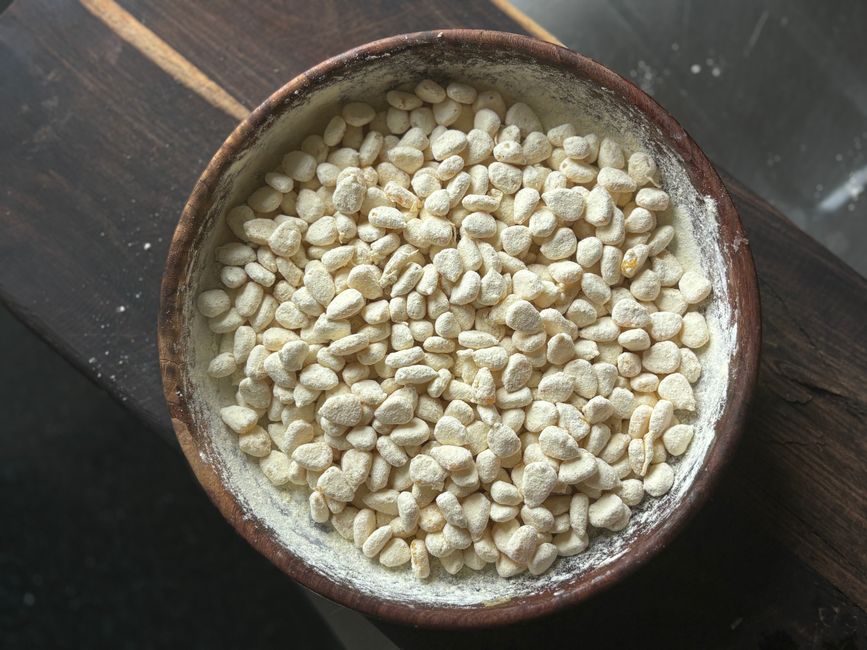
Is Puffed Corn Good for Weight Loss?
Puffed corn snacks are everywhere, and they seem like the perfect diet food. But the truth is more complicated than the airy crunch suggests.
The short answer is that puffed corn can be part of a weight loss plan, but it is not a magic solution. Puffed corn is low in calories and fat, which helps with weight management. However, it is also low in protein and fiber, which means it may not keep you full for long. The key is portion control and pairing it with something more satisfying.
Most people assume all puffed corn snacks are equal, but they vary wildly in ingredients. Some are simply corn, oil, and salt. Others are coated in cheese powder, sugar, or artificial flavors that add significant calories. This article breaks down what the evidence actually says about puffed corn, how it compares to other snacks, and how to fit it into your diet without sabotaging your goals.
Key Points at a Glance
| Point | What It Means | Why It Matters |
|---|---|---|
| Calorie density | Puffed corn is mostly air, so it has fewer calories per cup than many snacks. | You can eat a large volume for fewer calories, which can help with satiety. |
| Protein and fiber | Both are very low in most puffed corn products. | Low protein and fiber mean you may feel hungry again sooner. |
| Processing | Heavily flavored versions add sugar, cheese, or oil. | These additions can double or triple the calorie count per serving. |
| Portion size | A serving is usually about one cup, which is smaller than people expect. | Eating from the bag often leads to consuming several servings at once. |
What Is Puffed Corn, Exactly?
Puffed corn starts as whole corn kernels that are heated under high pressure. The moisture inside turns to steam, and the kernel expands into a light, airy piece. The process itself adds no calories. The final product is mostly air and starch.
Plain puffed corn has roughly 60 to 70 calories per cup, depending on the brand. It contains almost no fat and only about a gram of protein. The fiber content is also minimal, usually under one gram per serving. This makes it a very low-calorie food, but not a nutrient-dense one.
The problem is that most commercial puffed corn is not plain. Many brands add oil, salt, cheese powder, or sweeteners. These ingredients change the nutritional picture completely. A flavored version can easily have 120 to 150 calories per cup, with several grams of fat.
Is Puffed Corn Good for Weight Loss Compared to Other Snacks?
When you compare puffed corn to other common snacks, the picture becomes clearer. A cup of puffed corn has fewer calories than a cup of potato chips, which is roughly 160 calories. It also has less fat than most crackers or pretzels with added oil.
But puffed corn loses ground when compared to snacks with more protein or fiber. A serving of plain Greek yogurt has about 100 calories and 15 grams of protein. A small apple with a tablespoon of peanut butter has around 150 calories and 4 grams of fiber. Both of these will keep you satisfied much longer than a cup of puffed corn.
The evidence on low-calorie, high-volume foods is consistent. Research published in the American Journal of Clinical Nutrition found that foods with low energy density, meaning fewer calories per gram, can help with weight management. Puffed corn fits this category. But the same research shows that protein and fiber are the nutrients most strongly linked to feeling full. Puffed corn is weak on both.
How to Eat Puffed Corn Without Derailing Your Progress
The best approach is to treat puffed corn as a crunchy topping or a side, not as a meal. A handful over a salad adds texture without many calories. You can also mix it with nuts or seeds to add protein and healthy fats.
Portion control is everything. Measure out one serving, about one cup, and put the bag away before you start eating. Eating straight from the bag makes it nearly impossible to stop at a reasonable amount. I always pour mine into a small bowl first — it makes a noticeable difference in how much I actually eat.
Look for brands with short ingredient lists. Ideally, the only ingredient should be corn, with maybe a little salt. Avoid anything with cheese powder, sugar, or hydrogenated oils. These added ingredients turn a low-calorie snack into something closer to junk food.
What About Puffed Corn Cakes or Rice Cakes?
Puffed corn cakes are similar to puffed corn snacks but formed into a flat disc. They have the same nutritional profile: low calories, low protein, low fiber. A plain corn cake has about 35 calories. They can be useful for portion control because each cake is a defined unit.
The same rules apply. Plain corn cakes are fine in moderation. Flavored versions, especially those with chocolate or caramel, add sugar and calories quickly. Top a plain corn cake with avocado or hummus to make it more satisfying.
Frequently Asked Questions
Related Articles
Does puffed corn cause weight gain?
No food alone causes weight gain unless you eat more calories than your body burns. Plain puffed corn is low in calories, but eating large amounts of flavored versions can add up quickly.
Is puffed corn healthier than popcorn?
Popcorn has more fiber than puffed corn and is also low in calories when air-popped. Popcorn is generally the better choice for satiety, but both can fit into a weight loss plan.
Can I eat puffed corn every day?
You can eat it daily if you control portions and choose plain varieties. It will not help you feel full, so pair it with protein or fiber to avoid overeating later.
How many calories are in a serving of puffed corn?
A one-cup serving of plain puffed corn has roughly 60 to 70 calories. Flavored versions can range from 120 to 150 calories per cup.
Is puffed corn good for weight loss?
Puffed corn can help with weight loss because it is low in calories and fat. But it lacks protein and fiber, so it is not the most filling snack choice.
What is the best way to eat puffed corn for weight loss?
Measure one cup, choose a plain brand, and pair it with a protein source. This keeps calories low while improving how full you feel after eating.
If you want to know exactly how many calories you need each day to lose weight, use our TDEE Calculator. It gives you a personalized number based on your age, height, weight, and activity level.

The TDEECAL Team writes about nutrition, metabolism, and fat loss the way we built our calculator, with real numbers and no hype. We dig into the research so you don’t have to guess.