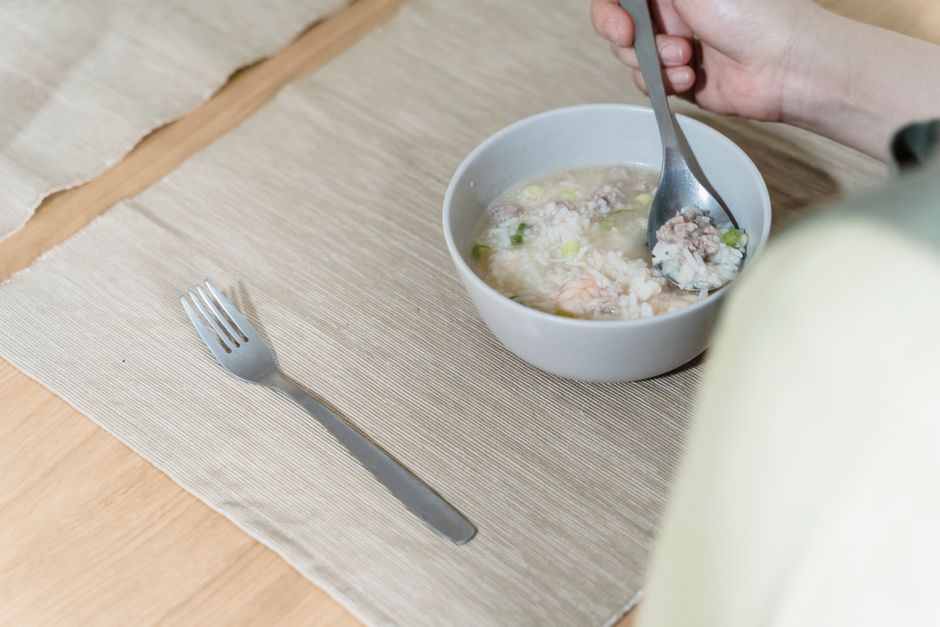
Rice Porridge and Your Weight Loss Goals
Many people assume all carbohydrates are the enemy when trying to lose weight. That assumption often leads to cutting out foods you enjoy, including comforting bowls of rice porridge.
The direct answer is yes, rice porridge can be healthy for weight loss when prepared with the right ingredients and portion sizes. It is naturally low in fat, easy to digest, and can keep you feeling full for hours, which supports your calorie deficit goals.
Most generic advice tells you to avoid white rice entirely, but that ignores how the preparation method changes the food. The real issue is not the rice itself — it is what you add to the bowl and how much you serve yourself.
This guide covers the actual evidence on rice porridge and weight management. You will learn how to build a bowl that supports your goals without sacrificing flavor or satisfaction.
Key Points at a Glance
| Point | What It Means | Why It Matters |
|---|---|---|
| Calorie control | A basic rice porridge has roughly 100–150 calories per cup | Fits easily into a daily calorie budget |
| Fiber content | White rice porridge is low in fiber; brown rice version adds more | Fiber helps you feel full longer |
| Protein additions | Adding eggs, chicken, or tofu increases satiety | Protein reduces hunger between meals |
| Glycemic response | Porridge has a higher glycemic index than some other breakfasts | Pair with protein or fat to blunt blood sugar spikes |
| Portion size | Restaurant servings often contain 2–3 cups or more | Oversized portions can derail weight loss efforts |
Is Rice Porridge Healthy for Weight Loss Compared to Other Breakfasts?
Rice porridge holds up well against many common breakfast options when you compare calorie for calorie. A cup of plain porridge contains about 100 to 150 calories, depending on how much water you use and whether you add milk. That is significantly less than a typical bagel with cream cheese, which often exceeds 400 calories.
The key difference comes down to what you pair with the porridge. Research consistently shows that meals combining carbohydrates with protein and fiber produce greater fullness than carbohydrates alone. Adding a soft-boiled egg or a handful of vegetables transforms a simple bowl into a balanced meal.
I always add a pinch of salt and a few drops of sesame oil to my porridge. It makes a noticeable difference in flavor without adding meaningful calories.
How Many Calories Are in Rice Porridge?
The calorie count varies dramatically based on preparation. A basic congee made with white rice and water contains roughly 100 calories per cup. Adding chicken stock, meat, or coconut milk can push that number to 250 calories or more per serving.
For weight loss, the most reliable approach is to measure your portion rather than estimate by eye. A standard serving is about one cup of cooked porridge, which is smaller than most people assume when they fill a large bowl.
What Makes Rice Porridge More Filling?
The high water content in rice porridge is a hidden advantage for weight management. Because the rice absorbs several times its weight in liquid during cooking, you get a larger volume of food for fewer calories than eating plain steamed rice.
Some studies suggest that consuming foods with high water content increases satiety more than dry foods with the same calorie count. This means a bowl of porridge can satisfy your hunger with fewer calories than a smaller portion of dry rice with the same energy content.
How to Build a Weight Loss Friendly Bowl
Start with a base of one cup of cooked porridge, then add a palm-sized portion of protein. Good options include shredded chicken, a poached egg, or cubed tofu. These additions slow digestion and keep blood sugar steady.
Add non-starchy vegetables like spinach, mushrooms, or scallions to increase fiber without adding many calories. A teaspoon of soy sauce or a small amount of chili oil adds flavor without sabotaging your goals.
If you are tracking calories, use a food scale for the first few weeks. Most people underestimate their portion by at least 50 percent when they eyeball it.
Does the Type of Rice Matter?
Brown rice porridge contains more fiber and slightly more protein than white rice versions. That extra fiber slows digestion and may help you feel full for longer after eating.
However, the difference is modest. If white rice porridge is what you enjoy, the best choice is the one you will actually eat consistently. The overall quality of your diet matters more than this single swap.
Common Mistakes That Sabotage Weight Loss
The biggest mistake is treating rice porridge as a blank slate and adding high-calorie toppings without thinking. Fried shallots, crispy pork, and generous drizzles of oil can add 200 or more calories to a bowl that started out light.
Another common error is eating porridge as a side dish alongside other high-calorie foods. When porridge becomes an addition rather than the main event, total calories climb quickly.
A third mistake is skipping protein entirely. A plain bowl of rice porridge digests quickly, which can leave you hungry within two hours. Adding protein changes that pattern significantly.
Frequently Asked Questions
Related Articles
Can I eat rice porridge every day while dieting?
Yes, you can eat rice porridge daily as long as your total calorie intake stays within your weight loss range. Vary your protein and vegetable additions to keep meals interesting and nutritionally balanced.
Is rice porridge better than oatmeal for weight loss?
Both can work well for weight loss, but oatmeal generally provides more fiber and protein per serving. Choose whichever you enjoy more and can prepare consistently.
Does rice porridge spike blood sugar?
White rice porridge has a higher glycemic index than some other breakfast options. Adding protein and fiber-rich toppings helps slow the absorption of sugar into your bloodstream.
How much rice porridge should I eat for weight loss?
A reasonable serving is one cup of cooked porridge, which contains roughly 100 to 150 calories before toppings. Start there and adjust based on your total daily calorie target.
Is it better to eat rice porridge in the morning or at night?
Timing matters less than your total daily calorie intake. Some people find porridge more satisfying in the morning, while others enjoy it as a light evening meal.
Rice porridge can absolutely fit into a weight loss plan when you control portions and add protein and vegetables. Use a TDEE calculator to determine your daily calorie needs, then build your bowl accordingly.

The TDEECAL Team writes about nutrition, metabolism, and fat loss the way we built our calculator, with real numbers and no hype. We dig into the research so you don’t have to guess.