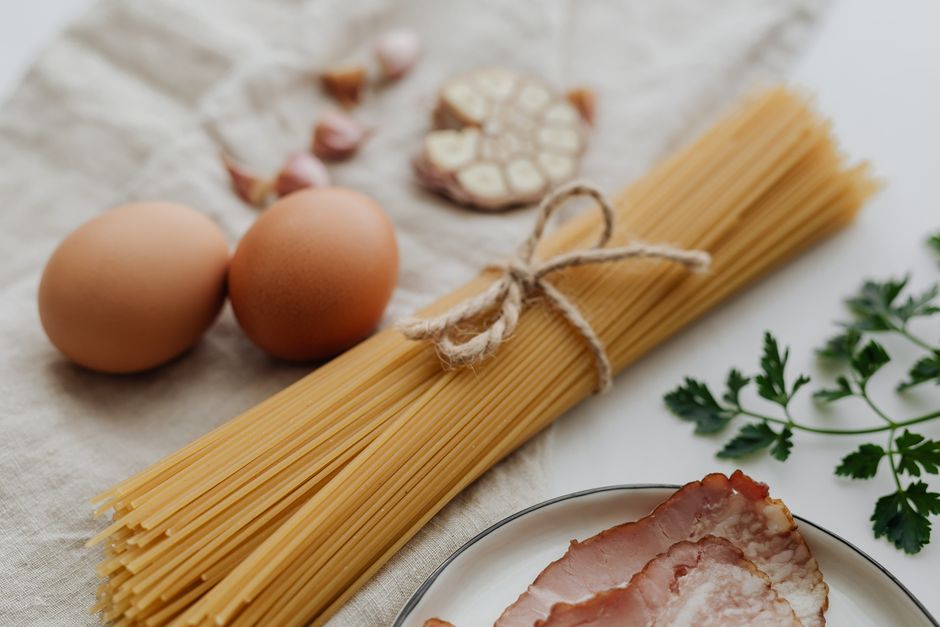
Most people assume pasta is the enemy of weight loss. But the real problem is almost never the spaghetti itself — it’s the portion size, the sauce, and what you eat alongside it.
Is spaghetti bad for weight? No, spaghetti is not inherently bad for weight loss. A standard 2-ounce serving of dry spaghetti contains roughly 200 calories, and research consistently shows that pasta consumption is not linked to weight gain when eaten as part of a balanced diet. What determines your results is portion control, what you put on the noodles, and how often you eat them.
Here’s what most diet advice gets wrong: it treats spaghetti as a single food with a single effect. In reality, a bowl of spaghetti can range from a 300-calorie meal to a 1,200-calorie meal depending on how it’s prepared. That difference matters more than the pasta itself.
This article covers what the evidence actually says about spaghetti and weight, how to build a pasta meal that supports your goals, and practical portion strategies that work in real life.
Key Points at a Glance
| Point | What It Means | Why It Matters |
|---|---|---|
| Calorie density | Spaghetti is moderate in calories, not high | Portion size determines whether it helps or hurts |
| Protein pairing | Adding lean protein increases fullness | Reduces the chance of overeating later |
| Sauce choice | Cream sauces double the calories | A simple tomato sauce keeps the meal light |
| Fiber addition | Vegetables add bulk without many calories | You feel full on fewer total calories |
| Eating context | Frequency and portion matter more than the food | Spaghetti fits into most weight loss plans |
What Does the Research Say About Pasta and Weight Gain?
Some studies indicate that pasta consumption is actually associated with lower body mass index, not higher. Research published in the journal Nutrients found that pasta eaters had better diet quality and lower waist circumference compared to non-pasta eaters.
The key distinction is that these studies looked at pasta within a Mediterranean-style diet pattern. That means moderate portions, tomato-based sauces, vegetables, and olive oil — not giant bowls of creamy pasta with garlic bread on the side.
One thing I notice in my own kitchen: when I weigh out a proper portion of dry spaghetti, it looks small on the plate. Most people double it without thinking. That’s not a character flaw — it’s just how pasta expands when cooked.
How Many Calories Are Actually in a Serving of Spaghetti?
A standard serving is 2 ounces of dry spaghetti, which cooks to about 1 cup. That serving has roughly 200 calories, 7 grams of protein, and less than 1 gram of fat, according to USDA data. The same serving cooked yields about 220 calories depending on how long you boil it.
Here’s where the calories add up fast:
- Tomato sauce: about 70-100 calories per half cup
- Meat sauce: 150-250 calories per half cup
- Alfredo or cream sauce: 300-400 calories per half cup
- Grated parmesan: about 110 calories per quarter cup
- Garlic bread: 150-200 calories per slice
So a reasonable plate of spaghetti with tomato sauce lands around 400-500 calories. The same plate with cream sauce and garlic bread easily reaches 900-1,000 calories. Same pasta, very different outcome.
Practical tip: Measure your dry pasta with a food scale once. You’ll see what 2 ounces actually looks like, and you can eyeball it from then on. I still weigh mine — it takes ten seconds and removes all guesswork.
Is Spaghetti Bad for Weight Loss When You Eat It at Night?
No. The idea that eating carbohydrates after 6 p.m. causes weight gain is not supported by research. Your body doesn’t have a clock that stops processing food at sunset. What matters is your total daily calorie intake, not the time you eat.
That said, evening spaghetti meals do come with a pattern risk. If you eat a large pasta dinner while watching TV, you may not notice how much you’re consuming. Mindless eating leads to larger portions, and larger portions lead to more calories.
One trick that helps me: plate my food in the kitchen and put the pot away before sitting down. If the leftovers stay on the stove, I’m less likely to go back for a second scoop without thinking.
How to Eat Spaghetti Without Sabotaging Your Progress
You don’t need to give up spaghetti to lose weight. You need to change the way you build the meal. Here’s a structure that works:
- Start with vegetables. Add a cup of broccoli, spinach, or zucchini to the sauce. This adds volume and fiber for about 50 extra calories.
- Choose lean protein. Ground turkey, chicken, or shrimp add 20-30 grams of protein. Protein increases fullness more than any other macronutrient.
- Use tomato-based sauce. A simple marinara keeps the meal around 400-500 calories total. Reserve cream sauces for occasional meals, not weekly habits.
- Watch the sides. Skip the garlic bread and have a side salad instead. That swap saves 150-200 calories without leaving you hungry.
- Eat slowly. It takes about 20 minutes for your brain to register fullness. Slowing down helps you stop at the right point.
This approach turns spaghetti from a calorie bomb into a balanced meal. The pasta stays, but it’s no longer the star — it’s one part of a more complete plate.
What About Whole Wheat or Chickpea Pasta?
Whole wheat spaghetti has about the same calories as white spaghetti but adds more fiber — roughly 6 grams per serving compared to 2 grams. More fiber means slower digestion and better fullness. Chickpea and lentil pastas go further, offering 11-14 grams of protein per serving.
But here’s the honest part: the calorie difference between these options is small. Whole wheat spaghetti saves about 20-30 calories per serving compared to white. That’s not enough to matter on its own. The real benefit is fullness and nutrition, not calorie reduction.
If you hate the taste of whole wheat pasta, don’t force it. White spaghetti with vegetables and lean protein works fine. The best pasta is the one you’ll actually eat in a reasonable portion.
Practical tip: Try mixing half white and half whole wheat pasta if you’re transitioning. The texture difference is less noticeable, and you still get the extra fiber. I did this for a few weeks before going fully whole wheat.
Frequently Asked Questions
Related Articles
Can I eat spaghetti every day and still lose weight?
Yes, as long as your daily calorie intake stays below your maintenance level. A 400-500 calorie spaghetti meal fits within most weight loss plans without issue.
Is spaghetti worse than other carbs for weight loss?
No. Spaghetti has a similar calorie density to rice and bread, and research shows it’s not uniquely fattening. Portion size matters more than which carb you choose.
Does rinsing spaghetti remove calories?
No. Rinsing removes excess starch but does not reduce calorie content. It can lower the glycemic response slightly, but the effect is minimal.
How much spaghetti should I eat to lose weight?
A standard serving of 2 ounces dry (about 1 cup cooked) is a reasonable portion for weight loss. Measure it at least once so you know what it looks like on your plate.
Is spaghetti bad for weight loss if I eat it at lunch instead of dinner?
No. The time of day makes no meaningful difference for weight loss. Total calories across the day determine your results, not when you eat the pasta.
The bottom line: spaghetti is not the problem. Portion control, sauce choices, and what you pair with the noodles determine whether pasta helps or hurts your weight loss efforts. Use our TDEE calculator to find your maintenance calories, then build spaghetti meals that fit within your daily target.

The TDEECAL Team writes about nutrition, metabolism, and fat loss the way we built our calculator, with real numbers and no hype. We dig into the research so you don’t have to guess.