Is the Infinity Hoop Legit for Weight Loss
What the Infinity Hoop Actually Does for Weight Loss
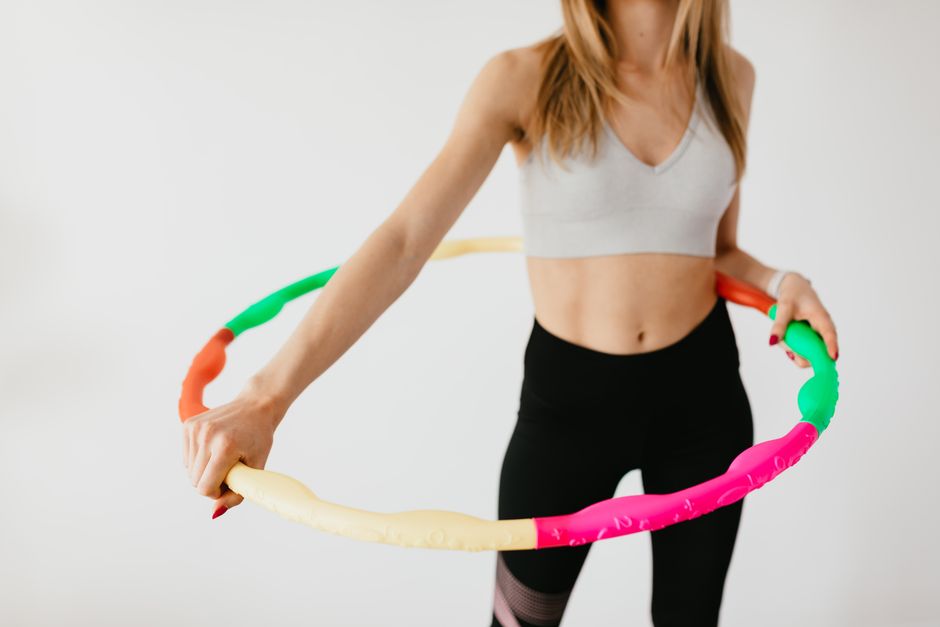
The short answer is yes, the Infinity Hoop can help with weight loss, but not because of any special technology. It works the same way any hula hoop works: it burns calories through physical activity. The hoop’s weighted design (typically 2 to 4 pounds) increases the effort required, which means you burn more calories than with a lightweight toy hoop.
Research published in the Journal of Exercise Physiology found that weighted hula hooping burns roughly 7 calories per minute in adults. That equals about 210 calories in a 30-minute session. For comparison, that’s similar to a brisk walk or light jogging, but with less impact on your joints.
The key to results is consistency. Hooping for 20 to 30 minutes most days of the week, combined with a modest calorie deficit, can support gradual weight loss of 1 to 2 pounds per week. The hoop won’t spot-reduce belly fat, but it does strengthen your core and improve your posture.
Key Points at a Glance
| Point | What It Means | Why It Matters |
|---|---|---|
| Calorie burn | About 7 calories per minute | Comparable to brisk walking |
| Weighted design | 2 to 4 pounds of resistance | Increases effort and muscle engagement |
| Core strength | Engages abdominal and back muscles | Improves posture and stability |
| Consistency matters | 20–30 minutes most days | Regular use drives results |
| No spot reduction | Fat loss happens across the body | Pair with full-body exercise and diet |
Is the Infinity Hoop Legit for Weight Loss Compared to Other Exercise?
The Infinity Hoop holds up well against other moderate-intensity exercises. A 30-minute session burns about 210 calories, which is similar to cycling at a moderate pace or swimming laps. It’s less intense than running or high-intensity interval training, but it’s also easier on your knees and hips.
One advantage the hoop has is the learning curve. Most people can master basic hooping within a few sessions, and the movement becomes more natural with practice. The weighted design helps the hoop spin faster and stay up longer, which reduces frustration for beginners.
The main limitation is that your body adapts over time. As you get better at hooping, you may burn fewer calories per session because the movement becomes more efficient. To keep progressing, you can increase your session length, add intervals of faster hooping, or combine the hoop with strength training.
How Many Calories Can You Realistically Burn with the Infinity Hoop?
Calorie burn depends on your weight, intensity, and session length. A 150-pound person burns about 200 to 250 calories in 30 minutes of moderate hooping. A 200-pound person burns closer to 270 to 300 calories in the same time.
Using your Total Daily Energy Expenditure (TDEE) is the most reliable way to plan for weight loss. Your TDEE is the number of calories your body burns each day, including activity. To lose weight, you need to eat about 500 calories below your TDEE per day, which creates a deficit of roughly 3,500 calories per week — enough to lose about one pound.
The hoop can contribute to that deficit, but it shouldn’t be your only strategy. Most successful weight loss plans combine exercise with dietary changes. A 30-minute hoop session plus a 250-calorie reduction in food intake gives you a comfortable daily deficit without extreme restriction.
Does the Infinity Hoop Target Belly Fat Specifically?
No exercise can target fat loss from one specific area, and the Infinity Hoop is no exception. When you lose weight, your body decides where fat comes off based on genetics, hormones, and age. For many women, belly fat is the last area to shrink, regardless of how much core work they do.
That said, hooping does strengthen the muscles underneath the belly fat. Stronger abdominal muscles can improve your posture and make your midsection appear more toned, even before the fat comes off. This is a real benefit, but it’s not the same as spot reduction.
Some research suggests that weighted hooping may reduce waist circumference more than walking alone. A 2019 study in the Journal of Sports Medicine and Physical Fitness found that women who hooped for six weeks lost more inches around their waist than those who walked. However, the sample size was small, and more research is needed to confirm these findings.
What Are the Risks and Downsides of the Infinity Hoop?
The most common complaint is bruising. Weighted hoops can leave marks on your hips and lower back, especially when you’re learning. These bruises are harmless but can be uncomfortable. Wearing thicker clothing or a padded belt can help reduce impact.
People with lower back pain or osteoporosis should be cautious. The twisting motion can aggravate existing spinal issues. If you have any medical condition affecting your spine or hips, check with your doctor before starting a hooping routine.
The hoop is also not a complete workout. It doesn’t build significant upper body strength or provide cardiovascular conditioning at the level of running or cycling. For balanced fitness, you’d want to pair hooping with strength training and some form of aerobic exercise.
Frequently Asked Questions
Related Articles
Is the Infinity Hoop legit for weight loss or just a gimmick?
The Infinity Hoop is a legitimate exercise tool that burns calories like any other physical activity. It’s not a miracle device, but regular use can support weight loss when combined with a calorie deficit.
How long should I use the Infinity Hoop each day?
Most people see benefits with 20 to 30 minutes of hooping, 4 to 5 days per week. Start with shorter sessions and increase gradually to avoid soreness and bruising.
Can the Infinity Hoop reduce belly fat?
No exercise can spot-reduce fat from one area, including the Infinity Hoop. The hoop strengthens your core muscles, but overall fat loss comes from a consistent calorie deficit across your whole body.
How many calories does 30 minutes of hooping burn?
A 150-pound person burns roughly 200 to 250 calories in 30 minutes of moderate hooping. Heavier individuals burn more, and lighter individuals burn slightly less.
Is the Infinity Hoop safe for people with back problems?
People with lower back pain or spinal conditions should consult a doctor before using a weighted hoop. The twisting motion can aggravate existing issues, so medical guidance is important.
What should I eat to lose weight while using the Infinity Hoop?
Focus on whole foods like vegetables, lean proteins, and whole grains, and aim for a 500-calorie daily deficit from your TDEE. Use a TDEE calculator to find your maintenance calories and plan your intake accordingly.
How to Use the Infinity Hoop for Weight Loss
Start by determining your TDEE using a reliable calculator. This gives you a baseline for how many calories you burn each day. Then, set a target of eating 300 to 500 calories below that number.
Use the hoop 4 to 5 days per week for 20 to 30 minutes per session. Alternate directions every few minutes to work both sides of your body evenly. This also reduces the risk of developing a muscular imbalance.
Track your waist measurements and how your clothes fit, rather than relying only on the scale. Muscle is denser than fat, so you may lose inches even when the scale doesn’t move much. Give yourself at least 6 to 8 weeks before judging results.

The TDEECAL Team writes about nutrition, metabolism, and fat loss the way we built our calculator, with real numbers and no hype. We dig into the research so you don’t have to guess.