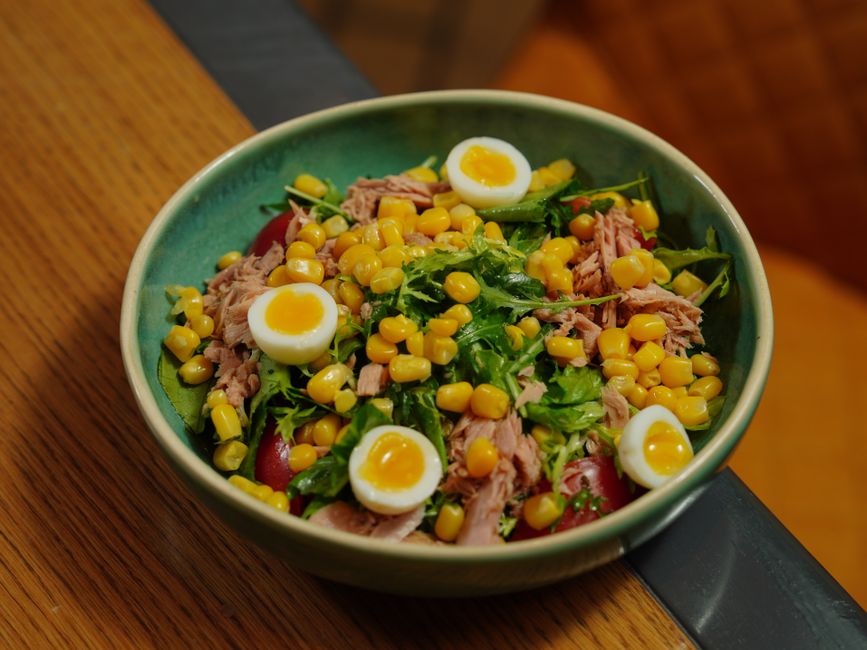
Tuna is one of the few foods that delivers more protein per calorie than almost anything else in the grocery store. And that matters when you’re trying to lose weight without feeling hungry all afternoon. But there’s a catch — the way you prepare it changes everything.
Yes, tuna protein supports weight loss because it delivers roughly 25 to 30 grams of protein per 3-ounce serving for only about 100 to 120 calories, depending on whether it’s canned in water or fresh. That protein helps preserve muscle during a calorie deficit and keeps you fuller longer than most other protein sources at the same calorie cost. Is tuna protein for weight loss a smart choice? For most women, yes — with a few caveats worth knowing.
Most search results tell you tuna is “high protein and low calorie” and stop there. That’s not useful. What you actually need to know is how much protein you’re really getting, which type of tuna to buy, and where the mercury question fits in.
This article covers all three. It also explains why canned tuna packed in oil quietly adds 60 to 80 extra calories per can — a detail that trips up a lot of people tracking their intake.
Key Points at a Glance
| Point | What It Means | Why It Matters |
|---|---|---|
| Protein density | About 25–30g protein per 3 oz serving | High satiety per calorie compared to most foods |
| Water vs. oil packing | Oil-packed adds roughly 60–80 calories per can | Calorie difference is real, not trivial |
| Mercury limits | Light tuna is lower in mercury than albacore | Frequency of consumption matters for safety |
| Muscle preservation | Protein intake supports lean mass during a deficit | Preserving muscle keeps metabolism from dropping as much |
How Much Protein Does Tuna Actually Have?
A 3-ounce serving of canned tuna in water provides roughly 20 to 25 grams of protein, according to USDA data. Fresh bluefin or yellowfin runs slightly higher, around 25 to 30 grams. The exact number shifts based on the species, the brand, and how much water is pressed out.
That’s a meaningful amount for the calorie cost. Compare it to a 3-ounce serving of chicken breast at about 26 grams — similar protein, similar calories. Tuna just requires no cooking. I keep a few pouches in my desk drawer for exactly this reason — the no-cook factor is what makes it stick as a habit.
Is Tuna Protein for Weight Loss Better Than Other Protein Sources?
It’s not better — it’s competitive. Research consistently shows that higher protein intake supports satiety and helps preserve lean muscle during a calorie deficit. Tuna fits that framework well because you get a lot of protein for relatively few calories.
What tuna doesn’t give you is fiber, which most plant proteins do. And it doesn’t give you the micronutrient variety of eggs or dairy. The honest answer is that tuna works best as part of a varied protein rotation, not as your only source.
How Many Calories Are in Canned Tuna?
Canned tuna in water runs roughly 100 to 120 calories per 3-ounce serving. Canned in oil jumps to about 160 to 190 calories for the same amount, depending on how well it’s drained. That’s not a huge gap per serving, but it adds up over a week.
Albacore (white) tuna tends to be slightly higher in fat and calories than light (skipjack) tuna. Neither is a bad choice. But if you’re watching calories closely, water-packed light tuna gives you the most protein per calorie.
What About Mercury — How Often Can You Eat Tuna?
This is where the conversation gets more nuanced. The FDA and EPA issue guidance on fish consumption because of methylmercury, and tuna sits in a moderate range. Light tuna (usually skipjack) is lower in mercury than albacore or yellowfin.
General guidance for most adults suggests limiting albacore to about 6 ounces per week and light tuna to roughly 12 ounces per week. If you are pregnant, planning pregnancy, or breastfeeding, the recommendations are more restrictive — follow current FDA guidance rather than general advice. This is often glossed over in weight-loss content, and it shouldn’t be.
How Do You Fit Tuna Into a Weight Loss Plan?
The simplest approach is to treat tuna as a protein anchor for one meal, not a diet in itself. A tuna salad made with Greek yogurt instead of mayo, a tuna-stuffed pepper, or tuna mixed into a grain bowl all work. Each delivers 25-plus grams of protein with room for vegetables and fiber alongside.
Use a TDEE calculator to figure out your daily calorie target first, then build meals around protein. Tuna makes that math easier — but it can’t do the work alone. I always add a handful of something crunchy and a squeeze of lemon. It makes the whole bowl feel like a real meal instead of a sad desk lunch.
Related Articles
Frequently Asked Questions
Is tuna good for weight loss?
Yes, tuna can support weight loss because it provides high protein for relatively few calories, which helps with fullness and muscle preservation. It works best as part of a balanced eating pattern rather than as a standalone diet food.
How much protein is in a can of tuna?
A standard 5-ounce can of tuna in water contains roughly 25 to 30 grams of protein once drained. Exact amounts vary by brand and species.
Is canned tuna in oil bad for weight loss?
It’s not bad, but oil-packed tuna adds roughly 60 to 80 calories per can compared to water-packed. If you’re tracking calories closely, water-packed is the easier choice.
Can you eat tuna every day on a weight loss diet?
Most adults should limit tuna frequency due to mercury content, with general guidance suggesting no more than about 12 ounces of light tuna or 6 ounces of albacore per week. Pregnant and breastfeeding women should follow stricter FDA guidance.
Does tuna build muscle while losing fat?
Tuna’s protein supports muscle preservation during a calorie deficit when combined with resistance training. Protein alone won’t build muscle without a training stimulus.
Is tuna better than chicken for weight loss?
They’re roughly comparable in protein and calories per serving, so neither is clearly superior. The better choice is the one you’ll actually eat consistently.

The TDEECAL Team writes about nutrition, metabolism, and fat loss the way we built our calculator, with real numbers and no hype. We dig into the research so you don’t have to guess.