Walk down any grocery aisle and you’ll see plant protein powders, bars, and shakes crowding the shelves — yet plenty of women still wonder whether skipping the whey means shortchanging their goals.
Is vegan protein good for weight loss? Yes — plant-based protein can support weight loss as effectively as animal protein when total calories and daily protein intake are matched. Research consistently shows weight loss depends on a calorie deficit and adequate protein, not on the protein’s source. Vegan options like lentils, tofu, tempeh, and soy isolate deliver enough protein to preserve muscle while you lose fat.
Most diet advice treats “protein” and “meat” as the same word. They aren’t. And that confusion costs women real progress — especially after 35, when muscle mass naturally declines and protein intake matters more, not less.
This article covers what the evidence actually says about plant protein and fat loss. It also covers the mistakes that trip people up: too little protein overall, poorly planned meals, and supplements that don’t match their labels. No hype. Just what holds up.
Key Points at a Glance
| Point | What It Means | Why It Matters |
|---|---|---|
| Protein source matters less than total intake | Weight loss depends on calorie deficit plus adequate daily protein | You don’t need whey to preserve muscle while losing fat |
| Plant proteins are often lower in leucine | Leucine is the amino acid that triggers muscle protein synthesis | Varying sources and spreading protein across meals helps close the gap |
| Soy protein is a complete protein | It contains all nine essential amino acids in adequate amounts | Tofu, tempeh, edamame, and soy isolate are strong standalone choices |
| Fiber in whole plant proteins supports satiety | Lentils and beans deliver protein plus fiber in one food | Feeling full on fewer calories makes a deficit easier to hold |
| Supplement quality varies widely | Third-party testing is not universal in the US | Choose products with independent verification when possible |
Is Vegan Protein Good for Weight Loss Compared With Animal Protein?
Head-to-head studies point to similar results. Some research suggests plant-based and animal-based diets produce comparable weight loss when calories and protein are matched. A review published in the Journal of the American College of Nutrition found no meaningful difference in fat loss between the two when protein intake was equal.
One real difference: plant proteins generally contain less leucine, the amino acid that most strongly triggers muscle protein synthesis. Soy is the exception — it’s a complete protein with a leucine profile close to animal sources. For other plant proteins, eating a variety across the day covers the gap. I keep a bag of shelled edamame in the freezer for exactly this reason — a handful tossed into a grain bowl adds roughly 9 grams of protein with almost no effort.
How Much Protein Do You Need to Lose Weight?
Most adults need about 0.8 grams of protein per kilogram of body weight just to meet basic needs. For weight loss, evidence indicates higher intake helps preserve lean mass — commonly in the range of 1.2 to 1.6 grams per kilogram of body weight per day. For a 165-pound woman, that’s roughly 90 to 120 grams daily.
No single official guideline sets a protein target specifically for weight loss in women over 35. The ranges above come from research on muscle preservation during calorie restriction, not from a regulatory standard. If you have kidney disease or another condition affecting protein metabolism, talk to your doctor before increasing intake.
Which Vegan Proteins Work Best for Fat Loss?
Whole-food sources do double duty because they bring fiber along with protein. Cooked lentils provide roughly 18 grams of protein per cup plus about 15 grams of fiber. Firm tofu lands near 20 grams per half-cup. Tempeh is similar, with a denser texture that holds up in stir-fries.
Powders have their place when whole foods fall short. Soy and pea isolate typically run 20 to 25 grams of protein per scoop. Pea protein is lower in methionine, so pairing it with rice or oats rounds out the amino acid profile. One caution: independent testing has repeatedly found some plant protein powders contain less protein than the label states, or carry heavy metal levels worth noting. Third-party verified products reduce that risk.
What Mistakes Undermine Vegan Protein for Weight Loss?
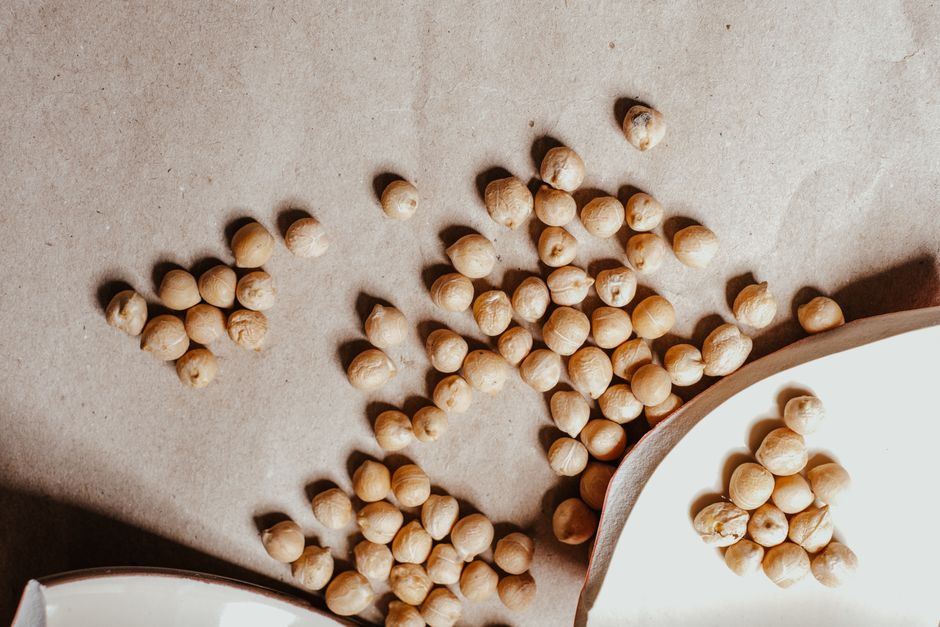
The most common mistake isn’t choosing plants — it’s eating too little protein overall. A salad with a few chickpeas may deliver 8 grams. That’s a snack, not a meal. Aim for 25 to 30 grams at each main meal to support muscle and stay full.
The second mistake is assuming “vegan” means low-calorie. Vegan cookies, chips, and frozen meals can carry as many calories as their conventional versions. Weight loss still comes down to the deficit. Some studies suggest plant-based eaters naturally consume fewer calories, but that reflects food choices, not a magic property of plants.
Does Vegan Protein Help You Stay Full While Dieting?
Fiber is the quiet advantage. Beans, lentils, and whole soy foods deliver protein and fiber together, and fiber slows digestion in a way that supports satiety. Evidence indicates higher-fiber diets are linked to better appetite control during calorie restriction.
Is vegan protein good for keeping hunger manageable? For many women, yes — provided the protein comes from whole foods rather than isolated powders alone. A bowl of lentil soup at lunch keeps me steady until dinner in a way a shake never does. That’s one person’s experience, but it lines up with what the fiber research shows.
Frequently Asked Questions
Related Articles
Is vegan protein as effective as whey for weight loss?
Yes, when total calories and daily protein intake are matched, research shows similar fat loss between plant and animal protein. Soy protein in particular has an amino acid profile close to whey.
How much vegan protein should I eat daily to lose weight?
Evidence supports roughly 1.2 to 1.6 grams per kilogram of body weight during calorie restriction to preserve muscle. For a 165-pound woman, that’s about 90 to 120 grams per day.
Can vegan protein powder stall weight loss?
Protein powder itself doesn’t stall weight loss, but powders with added sugar can push daily calories above your deficit. Check the label for added sugars and total calories per scoop.
Do I need to combine plant proteins at every meal?
No, that old rule has been revised. Eating a variety of plant proteins across the day provides all essential amino acids without needing to pair them at each meal.
Is soy protein safe for women trying to lose weight?
Current evidence does not support concerns that soy foods harm women’s health at typical intake levels. Soy is a complete protein and fits well into a weight-loss plan.
What is the best vegan protein for fat loss?
Whole foods like lentils, tofu, tempeh, and edamame offer protein plus fiber, which supports fullness. Soy or pea isolate powders are useful when whole foods can’t meet your daily target.

The TDEECAL Team writes about nutrition, metabolism, and fat loss the way we built our calculator, with real numbers and no hype. We dig into the research so you don’t have to guess.