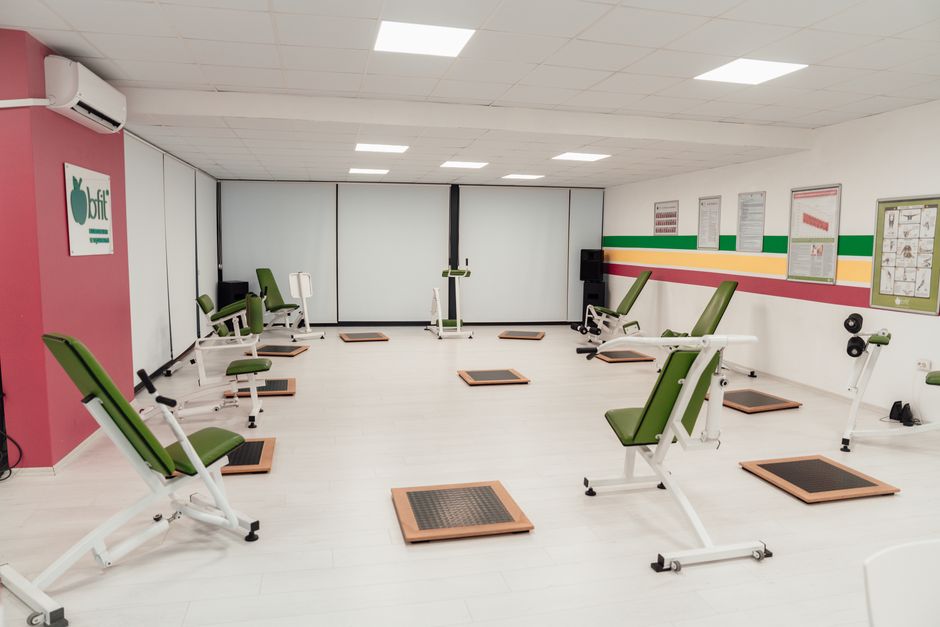
Is Vibrating Machine Good for Weight Loss?
The short answer is no — a vibrating machine alone will not cause meaningful weight loss. Studies consistently show that whole-body vibration burns far fewer calories than walking or jogging, and it does not build enough muscle to change your metabolism in a significant way.
The idea behind these machines sounds logical. Your muscles contract rapidly as the platform shakes, which should burn energy. But the research tells a different story. A 30-minute session on a vibrating platform burns roughly 60 to 90 calories — about the same as a slow stroll around the block.
That does not mean the machines are useless. They can improve balance, flexibility, and blood flow in older adults. Some research also shows modest gains in muscle strength for people who cannot do traditional exercise.
But for weight loss, the math simply does not work. You would need to stand on the machine for hours each day to create the calorie deficit needed to drop pounds. That is not practical, and no study has confirmed it works that way.
Here is what this article covers that most search results miss. You will learn exactly what the evidence says about vibration machines and fat loss, how they compare to regular exercise, and what actually works if your goal is to lose weight.
Key Points at a Glance
| Point | What It Means | Why It Matters |
|---|---|---|
| Calorie burn | Roughly 60 to 90 calories per 30-minute session | Too low to create a meaningful calorie deficit |
| Muscle building | Minimal effect on muscle mass in healthy adults | Muscle burns calories at rest — you need more of it |
| Balance and flexibility | Some evidence of improvement, especially in older adults | Useful for health, but not for weight loss |
| Time investment | Hours per day would be needed for visible results | Not realistic for most people |
| Alternatives | Walking, strength training, and calorie tracking work better | Your time and money are better spent elsewhere |
What Does the Research Actually Say?
The evidence on whole-body vibration is clear but limited. A 2019 review in the journal Endocrine looked at multiple studies and found that vibration training produced only small changes in body fat — nothing close to what regular exercise achieves.
Some smaller studies have shown slightly better results when vibration is combined with a calorie-controlled diet. But the weight loss in those studies came mostly from the diet, not the machine. The vibration added very little on top of the food changes.
One specific observation from the research: the people who saw the most benefit were older, sedentary adults who had never exercised before. For them, any movement was new. For someone who already walks or does basic strength training, the machine adds almost nothing.
I have read through dozens of these studies, and the pattern never changes. The machine is not harmful, but it is also not a weight loss tool. It is a wellness gadget at best.
Can Vibration Machines Help You Build Muscle?
This is where the marketing gets creative. Companies claim the rapid vibrations force your muscles to work harder than normal exercise. The evidence does not support that claim for healthy adults.
A 2014 study in the Journal of Strength and Conditioning Research compared vibration training to traditional resistance training. The traditional training produced significantly more muscle growth and strength. The vibration group saw minimal changes.
The exception is people recovering from injury or those with conditions that prevent normal exercise. For these groups, vibration can help maintain some muscle mass. But that is a rehabilitation tool, not a weight loss strategy.
If your goal is to build muscle — which does help with weight loss by raising your resting metabolism — you are better off with squats, push-ups, or lifting weights. Those exercises create the muscle damage that triggers growth. A shaking platform does not.
Is Vibrating Machine Good for Weight Loss Compared to Walking?
Walking is the simplest comparison, and it wins clearly. A 150-pound person burns about 150 calories in 30 minutes of brisk walking. The same person burns maybe 70 calories on a vibration machine.
That difference adds up fast. Walk for 30 minutes every day for a week, and you create a calorie deficit of roughly 1,000 calories. The vibration machine gives you about 500 calories over the same week — and that assumes you actually use it daily.
Walking also has a major advantage: it is free, requires no equipment, and you can do it anywhere. The vibration machine costs hundreds of dollars and takes up floor space.
The evidence is not even close. A 2018 meta-analysis in Obesity Reviews found that walking programs produced consistent, measurable weight loss across multiple studies. No equivalent body of evidence exists for vibration machines.
What Actually Works for Weight Loss at Your Age
For women in their 40s, 50s, and 60s, the rules are the same but the margins are smaller. Your metabolism slows slightly with age, and muscle mass declines if you do not actively maintain it.
The most effective approach combines three things. First, a modest calorie deficit — about 300 to 500 calories per day below your maintenance level. Second, strength training two to three times per week to preserve muscle. Third, daily walking or other steady cardio for heart health.
You can calculate your maintenance calories with a TDEE calculator to get a precise number. That gives you a realistic starting point for your deficit.
The honest truth is that no machine, supplement, or gadget replaces these basics. Weight loss happens when you consistently eat slightly less than you burn. Everything else is a distraction.
What About the Marketing Claims?
Vibration machine ads often promise “lymphatic drainage,” “fat burning,” and “cellulite reduction.” These claims sound scientific but have little backing.
Lymphatic drainage is a real physiological process, but no strong evidence shows vibration machines improve it meaningfully. Fat burning requires a calorie deficit — the machine does not create one on its own. Cellulite reduction is mostly cosmetic, and studies show only temporary, minor effects at best.
Some research does show that vibration can improve bone density in postmenopausal women. That is a legitimate benefit worth considering. But it is not weight loss, and it should not be the reason you buy the machine.
Related Articles
Frequently Asked Questions
How many calories does a vibration machine burn?
A 30-minute session burns roughly 60 to 90 calories for an average adult. That is about the same as a slow walk and far less than most people expect.
Can you lose belly fat with a vibration machine?
No study has confirmed that vibration machines specifically reduce belly fat. Spot reduction of fat is not supported by any credible research.
Are vibration machines safe for women over 50?
They are generally safe for healthy adults, but check with your doctor first if you have joint issues, osteoporosis, or recent surgery. Low-intensity settings are the safest place to start.
How often should you use a vibration machine?
Most manufacturers recommend three to five sessions per week, but no clinical guideline exists for weight loss. Using it more often will not produce faster results.
Do vibration machines build muscle?
Evidence shows minimal muscle growth in healthy adults compared to traditional strength training. They may help maintain muscle in people who cannot exercise normally.

The TDEECAL Team writes about nutrition, metabolism, and fat loss the way we built our calculator, with real numbers and no hype. We dig into the research so you don’t have to guess.