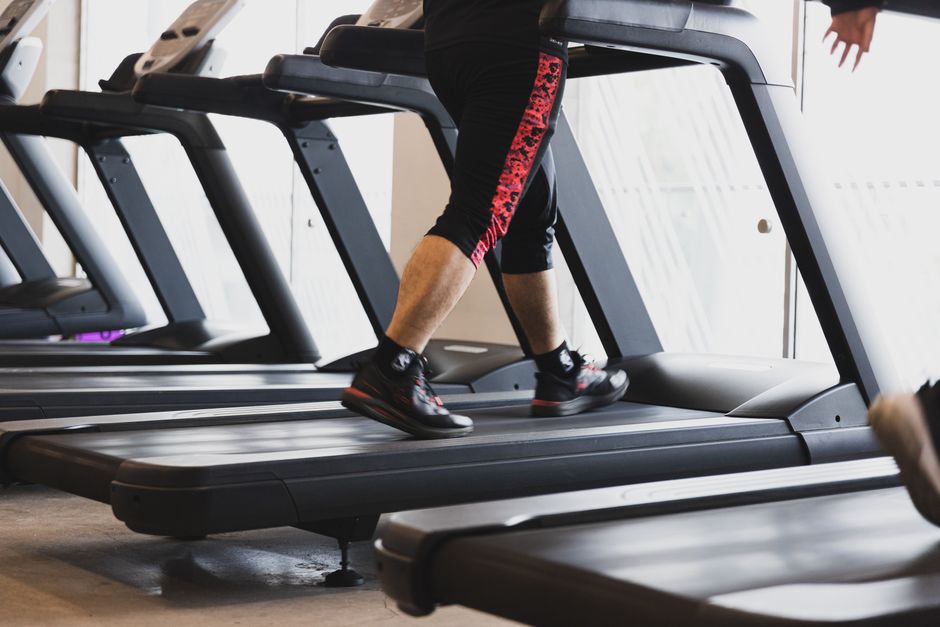
Most people assume walking is too gentle to matter for weight loss. That assumption is costing them real results.
Yes, walking on a walking pad is good for weight loss when done consistently and at the right intensity. Walking burns calories, builds a daily movement habit, and fits into a schedule that gym visits cannot match. The key is not the equipment itself — it is how often and how briskly you use it.
This article covers what the research actually says about walking for fat loss, how many calories a walking pad session burns, and how to structure your walks so they produce measurable change. It also addresses the common mistakes that make walking ineffective for weight loss, so you can avoid them from day one.
Key Points at a Glance
| Point | What It Means | Why It Matters |
|---|---|---|
| Calorie burn | A 150-pound person burns roughly 100–150 calories per 30 minutes of brisk walking | Walking adds up to a real calorie deficit over a week |
| Consistency wins | Daily short walks beat occasional long ones | Habit formation drives long-term weight loss success |
| Intensity matters | A brisk pace or incline increases calorie burn substantially | Easy strolls burn far fewer calories than you might expect |
| Appetite effects | Moderate walking rarely triggers a large hunger spike | You are more likely to maintain a calorie deficit |
| Not a standalone fix | Walking works best combined with dietary changes | You cannot outwalk a consistently large calorie surplus |
How Many Calories Does Walking on a Walking Pad Actually Burn?
Calorie burn depends on your body weight, walking speed, and whether you use an incline. A 150-pound person walking at a moderate 3 miles per hour burns roughly 100 calories in 30 minutes. Bump the pace to 3.5 miles per hour or add a 3 percent incline, and that number climbs to around 150 calories in the same time.
Heavier individuals burn more calories at the same speed because moving a larger body requires more energy. A 200-pound person walking briskly for 30 minutes can burn closer to 180–200 calories. These figures come from standard metabolic equations and align with USDA physical activity data.
I have found that splitting walks into two 20-minute sessions across the day feels far less daunting than one 40-minute block. The total calorie burn is nearly identical, and the habit sticks better.
Is Walking on a Walking Pad Good for Weight Loss Compared to Other Cardio?
Walking is not the most efficient calorie burner per minute. Running, cycling, or rowing at high intensity will torch more calories in less time. But walking has a major advantage that intense exercise lacks: you can do it every single day without recovery days, joint pain, or burnout.
Research consistently shows that total weekly calorie expenditure matters more than workout intensity for weight loss. Walking pads make it easy to accumulate 150–300 minutes of moderate activity per week, which aligns with physical activity guidelines for weight management. Some studies suggest that walking at a brisk pace can produce meaningful fat loss, particularly around the abdominal area, when sustained over several months.
The real comparison is not walking versus running. It is walking versus sitting. A walking pad converts sedentary hours — phone calls, emails, television time — into active hours. That is where the weight loss advantage lives.
Practical tip: Start with 15-minute sessions at a comfortable pace. After one week, increase by 5 minutes. After two weeks, increase the speed slightly. This gradual ramp prevents soreness and builds the habit without willpower battles.
How Fast and How Long Should You Walk for Weight Loss?
For weight loss, brisk walking matters more than leisurely strolling. A brisk pace means you are breathing noticeably harder but can still hold a conversation. This typically translates to 3 to 3.5 miles per hour on a flat walking pad, or a slower pace with an incline.
Most weight loss research uses a target of 150 to 300 minutes of moderate-intensity activity per week. That breaks down to 30 to 60 minutes of walking, five days per week. If you are just starting out, begin with 20 minutes daily and add 5 minutes each week until you reach your target.
One thing I have noticed with clients is that they underestimate how much incline matters. A 5 percent incline at a slower pace burns nearly as many calories as a flat brisk walk, and it is easier on the knees for many people.
What Mistakes Make Walking Ineffective for Weight Loss?
The most common mistake is walking at a pace so easy that it barely raises your heart rate. If you can sing while walking, you are not in the moderate-intensity zone that drives meaningful calorie burn. You need to be breathing harder than normal, with a slightly elevated heart rate.
The second mistake is assuming walking alone can offset a poor diet. Weight loss requires a calorie deficit, and it is far easier to eat 500 extra calories than to walk them off. A single large fast-food meal can erase several days of walking.
The third mistake is inconsistency. Walking three times one week and once the next week produces negligible results. The evidence is clear that regular, frequent walking outperforms sporadic intense walking for weight management.
Practical tip: Use your walking pad during activities you already do — work calls, watching television, or catching up on podcasts. This removes the need to find separate time in your day.
Does Walking on a Walking Pad Suppress or Increase Appetite?
Research on exercise and appetite is mixed, but moderate walking generally does not trigger a large hunger spike. High-intensity exercise can increase ghrelin, the hunger hormone, in some people. Moderate walking tends to have a neutral or mild appetite-suppressing effect in most individuals.
That said, some people report feeling hungrier after any physical activity. If this happens to you, plan your walks shortly after a meal or pair them with a protein-rich snack afterward. A protein shake or Greek yogurt after walking can help control hunger without adding excessive calories.
I have noticed that clients who walk mid-morning tend to make better lunch choices than those who skip the walk entirely. The routine itself seems to reinforce healthier decisions throughout the day.
Can Walking on a Walking Pad Replace the Gym for Weight Loss?
For pure weight loss, walking can absolutely replace gym sessions. Calorie burn is what drives fat loss, and walking provides a sustainable way to create that deficit. Strength training adds muscle mass, which raises your resting metabolic rate, but it is not required for weight loss.
If your only goal is losing body fat, walking on a walking pad five to six days per week, combined with a modest calorie deficit, will produce results. If you want to preserve muscle while losing weight, adding two strength training sessions per week is wise. The walking pad handles the daily calorie burn; strength training handles the muscle preservation.
Many people find that a walking pad at home removes every barrier to exercise. No commute, no changing clothes, no waiting for equipment. That convenience is the single biggest predictor of whether you will stick with it.
Related Articles
Frequently Asked Questions
How long should I walk on a walking pad to lose weight?
Aim for 30 to 60 minutes of brisk walking most days of the week. This aligns with the 150 to 300 minutes of moderate activity per week that weight management guidelines recommend.
Can I lose belly fat by walking on a walking pad?
Walking burns overall body fat, and belly fat will reduce as total body fat decreases. Spot reduction is not supported by research, but consistent walking combined with a calorie deficit will slim your waistline over time.
Is walking on a walking pad better than running for weight loss?
Running burns more calories per minute, but walking is easier to sustain daily and carries less injury risk. The best choice is the one you can do consistently without pain or burnout.
How fast should I walk on a walking pad to lose weight?
Walk at a brisk pace where you breathe noticeably harder but can still speak in short sentences. This is typically 3 to 3.5 miles per hour on a flat surface, or slower with an incline.
Will walking on a walking pad make my legs bulky?
No, walking does not build significant muscle mass. It is a low-resistance activity that burns calories without adding bulk, making it suitable for anyone concerned about leg size.
How many days a week should I use a walking pad?
Five to six days per week is ideal for weight loss. Rest days are not strictly necessary for walking, but taking one or two lighter days helps prevent boredom and joint fatigue.
Calculate your daily calorie needs with our free TDEE calculator to set a target that supports your walking routine.

The TDEECAL Team writes about nutrition, metabolism, and fat loss the way we built our calculator, with real numbers and no hype. We dig into the research so you don’t have to guess.