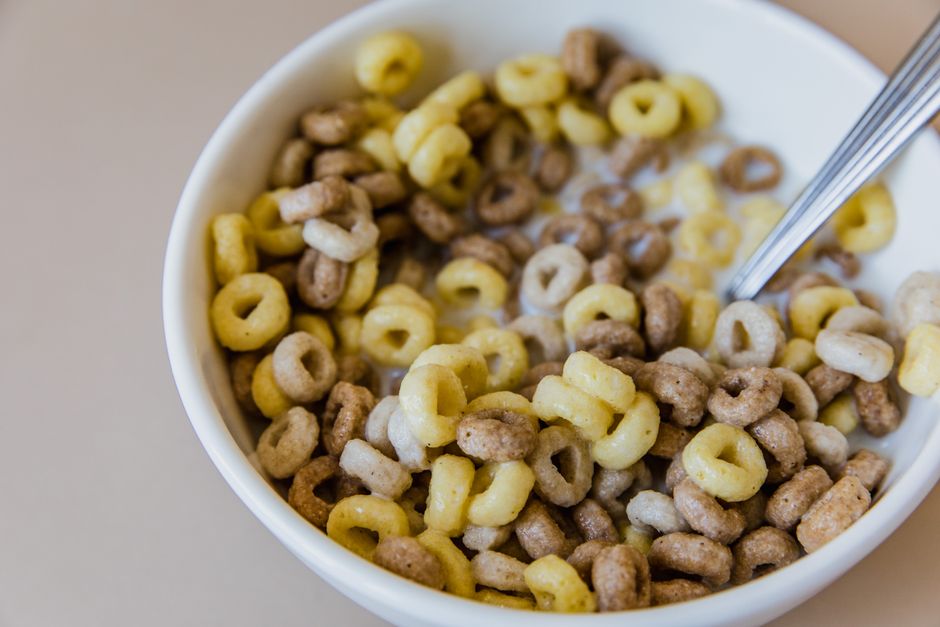
Whole milk has more calories and fat than skim — but that does not automatically make it a poor choice when you are trying to lose weight.
Is whole milk bad for weight loss? Not inherently. Whole milk has about 150 calories and 8 grams of fat per cup, compared with roughly 80 calories in skim. But research does not consistently show that full-fat dairy leads to more weight gain than low-fat dairy. What matters most is your total daily calorie intake, not whether your milk is whole or skim.
Most women in their 30s, 40s, and 50s have heard two opposite messages. One says fat makes you fat, so drink skim. The other says whole foods beat processed ones, so drink whole. Both are oversimplified.
This article breaks down what the evidence actually shows about whole milk and body weight. It also covers how to fit it into a calorie budget without guessing. That is where a TDEE calculator helps — it estimates your daily calorie needs so milk fits a real number, not a hunch.
Key Points at a Glance
| Point | What It Means | Why It Matters |
|---|---|---|
| Calorie difference | Whole milk has about 150 calories per cup; skim has about 80 | Two cups a day is roughly 140 extra calories |
| Fat and weight | Studies have not shown full-fat dairy causes more weight gain than low-fat | You do not have to avoid whole milk to lose weight |
| Satiety | Fat slows digestion and may help you feel full longer | Fewer between-meal snacks can offset the extra calories |
| Protein | Whole and skim milk have the same protein — about 8 grams per cup | Protein supports muscle retention during weight loss |
Does the Fat in Whole Milk Cause Weight Gain?
No strong evidence shows that the fat in whole milk causes weight gain on its own. Research published in the American Journal of Clinical Nutrition and other journals has repeatedly found that higher full-fat dairy intake is not linked to greater weight gain. Some studies even suggest full-fat dairy may be associated with slightly lower obesity risk, though the reasons are not clear.
That said, the fat does add calories. If whole milk pushes you past your daily calorie target, it can slow weight loss. The same is true of any food — the source matters less than the total.
Is Whole Milk Bad for Weight Loss Compared With Skim?
Head-to-head, the evidence does not clearly favor skim over whole for weight loss. A large body of observational research has found no consistent advantage to low-fat dairy. Some trials suggest full-fat dairy may modestly increase feelings of fullness, which could help with appetite control.
This is often claimed, though strong clinical evidence is still limited. What is clear: skim milk saves calories, and whole milk may help you feel more satisfied. Either can work inside a calorie budget.
I keep whole milk in the fridge and use less of it — a splash in coffee and half a cup with breakfast. Small portions of the milk I actually enjoy beat larger portions of one I do not.
How Do You Fit Whole Milk Into a Weight Loss Plan?
Start with your daily calorie target, then decide how much milk fits. A TDEE calculator gives you a starting estimate based on your age, weight, height, and activity level. From there, track your milk like any other food.
Watch the extras more than the milk itself. Flavored milk, sweetened lattes, and large smoothies often carry more sugar and calories than the milk ever does. Plain whole milk with coffee or cereal is rarely the problem.
What About Calcium, Protein, and Satiety?
Whole milk delivers the same protein and calcium as skim — about 8 grams of protein and 300 milligrams of calcium per cup. Protein helps preserve muscle while you lose fat, and calcium supports bone health, which matters more for women over 40. The fat content does not change those benefits.
Satiety is where whole milk may have an edge. Fat slows stomach emptying, so a cup of whole milk may hold you longer than skim. Some studies suggest this effect is modest, so treat it as a possible bonus, not a guarantee.
Frequently Asked Questions
Related Articles
Is whole milk bad for weight loss?
No — whole milk is not inherently bad for weight loss, and research has not shown that full-fat dairy causes more weight gain than low-fat. What matters is whether its calories fit your daily target.
How many calories are in a cup of whole milk?
Whole milk has roughly 150 calories per cup, depending on the brand. Skim milk has about 80 calories, so the difference is around 70 calories per cup.
Should I switch to skim milk to lose weight?
Only if the calorie savings help you stay within your daily target. Skim saves about 70 calories per cup, but whole milk may keep you fuller longer, so the better choice depends on your appetite and total intake.
Does whole milk have more protein than skim?
No — whole and skim milk contain about the same protein, roughly 8 grams per cup. The difference is fat and calories, not protein.
Can drinking whole milk slow my weight loss?
It can if the extra calories push you past your daily target, especially if you drink several cups a day. Track your portions for a week to see how much it actually adds.
Is full-fat dairy linked to weight gain?
Research has not consistently linked full-fat dairy to weight gain, and some studies suggest it may be associated with slightly lower obesity risk. The evidence is mixed, and calories still matter most.

The TDEECAL Team writes about nutrition, metabolism, and fat loss the way we built our calculator, with real numbers and no hype. We dig into the research so you don’t have to guess.