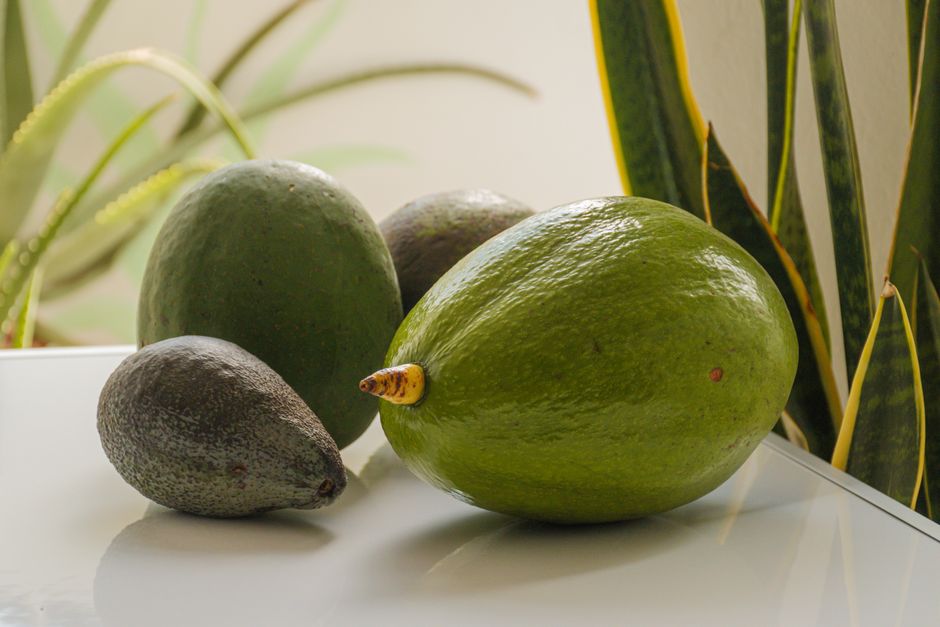
Should I Avoid Avocado for Weight Loss?
You have probably heard the rumor: avocados are high in fat and calories, so they must be bad for weight loss. The short answer is that for most women, you should not avoid avocado for weight loss, and doing so could actually make your diet harder to stick with. Avocados provide fiber, healthy fats, and key nutrients that help keep you full and satisfied.
The confusion around avocados comes from a simple calorie math problem. One medium avocado has about 240 calories and 22 grams of fat. That sounds like a lot until you realize those fats are mostly monounsaturated — the same type found in olive oil. Research consistently shows that diets moderate in healthy fats lead to better long-term weight management than low-fat diets.
Key Points at a Glance
| Point | What It Means | Why It Matters |
|---|---|---|
| Calorie density | Avocados have 160 calories per 100 grams | Portion control matters more than avoidance |
| Fat type | Mostly monounsaturated fat | Supports heart health and satiety |
| Fiber content | About 10 grams per avocado | Helps regulate appetite and digestion |
| Nutrient density | Rich in potassium, folate, vitamin K | Supports overall health during calorie restriction |
| Satiety effect | Fats + fiber = longer fullness | May reduce overall calorie intake later in the day |
How Many Calories Are in an Avocado?
A whole medium avocado contains roughly 240 calories. That is about the same as two medium apples or one small bag of chips. The difference is what those calories do for you.
The fat in avocados slows digestion and triggers hormones that signal fullness. One study found that people who ate half an avocado with lunch reported 40% less desire to eat for hours afterward. That satiety effect often leads to eating fewer total calories across the day — even with the avocado included.
Should I Avoid Avocado for Weight Loss If I Count Calories?
You do not need to avoid avocado for weight loss just because you count calories. The key is fitting it into your daily target. If your goal is 1,500 calories per day, half an avocado takes up about 120 of those calories. That leaves plenty of room for the rest of your meals.
What matters more is what you replace the avocado with. If you skip avocado but eat 200 calories of crackers or cheese instead, you have not helped your weight loss. Avocados provide fiber and healthy fats that processed snacks do not. A 2021 review in the journal Nutrients found that avocado consumption was associated with lower body weight and waist circumference in multiple population studies.
Does Avocado Help With Belly Fat?
No single food targets belly fat specifically. That claim is often repeated but the evidence does not support it. Spot reduction is not how body fat loss works.
However, avocados may indirectly help. Their combination of fiber and healthy fats supports stable blood sugar levels. Stable blood sugar means fewer cravings and less overeating later. Over time, that can help reduce overall body fat, including around the abdomen. One small study from 2021 showed women who ate one avocado daily had a redistribution of belly fat over 12 weeks, but this was a small study and more research is needed.
How to Eat Avocado Without Sabotaging Weight Loss
Portion size is the main factor that trips people up. A whole avocado smeared on toast with cheese and eggs can easily become a 600-calorie meal. That is fine if it fits your day, but many women do not realize how quickly the calories add up.
Here are practical ways to include avocado without overdoing it:
- Use it as a spread instead of butter or mayonnaise — you get more nutrients for similar calories
- Slice it thin and layer it on salads or sandwiches rather than adding cheese
- Blend a quarter avocado into smoothies for creaminess without dairy
- Pair it with vegetables and lean protein for a balanced meal
What the Research Actually Says
The evidence consistently shows that avocados are not linked to weight gain. A 2019 study published in the Journal of Nutrition followed over 55,000 people and found that avocado consumers had lower body weight, lower BMI, and smaller waist circumferences than non-consumers. These are observational findings, so they show association, not causation.
What is more telling is the clinical trial data. A 2021 randomized controlled trial found that daily avocado consumption did not cause weight gain in participants. Those who ate avocados actually showed improved diet quality overall. The takeaway is simple: avocados do not inherently cause weight gain when eaten in reasonable amounts.
Frequently Asked Questions
Related Articles
Will eating avocado every day make me gain weight?
Not necessarily. Eating one avocado daily in place of less healthy fats does not cause weight gain in most people. The key is keeping total daily calories within your target range.
How much avocado should I eat for weight loss?
One-quarter to one-half of an avocado per day is a reasonable serving. This gives you the benefits without taking up too many calories from your daily budget.
Is avocado healthier than olive oil for weight loss?
Both are excellent sources of monounsaturated fat. Avocado provides fiber and additional nutrients that olive oil lacks, but olive oil is easier to use for cooking.
Can I eat avocado at night and still lose weight?
Yes. The time of day you eat avocado does not matter for weight loss. What matters is your total calorie intake across the full day.
Does avocado make you bloated?
Some people experience bloating from avocados due to their fiber and sugar alcohol content. If this happens, try a smaller portion or eat it earlier in the day.
If you are tracking your calories and macros, use the TDEE Calculator to find your maintenance calories. From there, subtract 300 to 500 calories for a safe deficit. Fit half an avocado into that number and you can enjoy it without worry.

The TDEECAL Team writes about nutrition, metabolism, and fat loss the way we built our calculator, with real numbers and no hype. We dig into the research so you don’t have to guess.