Protein Is the One Macro That Does the Heavy Lifting
Most women over 35 have tried cutting calories and still felt hungry, tired, or stuck. Protein changes that equation because it targets appetite and muscle preservation at the same time. The most practical answer to what are the best sources of protein for weight loss is lean animal proteins, seafood, and plant options like legumes and Greek yogurt — all of which keep you full without blowing your calorie budget.
Weight loss happens when you eat fewer calories than you burn, but protein makes that process far more comfortable. Studies consistently show that higher protein intake reduces hunger hormones and increases fullness after meals. It also protects lean muscle mass while you lose fat, which keeps your metabolism from dropping as quickly.
This article covers the specific protein foods that work best for weight loss, how much you actually need, and how to fit them into your day without overthinking it. You will not find extreme rules here — just practical guidance you can use at your next grocery trip.
Quick note: Your total calorie intake still matters. Protein is a powerful tool, but it is not a free pass to eat unlimited amounts.
Key Points at a Glance
| Point | What It Means | Why It Matters |
|---|---|---|
| Protein boosts fullness | High-protein meals reduce hunger hormones | You eat fewer calories without feeling deprived |
| Animal proteins are complete | They contain all essential amino acids | Your body uses them efficiently for muscle repair |
| Plant proteins work too | Legumes, tofu, and Greek yogurt are solid options | You can lose weight on a plant-based diet |
| Timing matters less than total | Spread protein across meals | Steady intake supports muscle and appetite control |
| Calorie density varies | Some proteins are leaner than others | Fatty cuts can add calories quickly |
What Are the Best Sources of Protein for Weight Loss?
Chicken breast, turkey, eggs, and fish top the list because they deliver high protein with minimal fat. A 3-ounce serving of cooked chicken breast provides roughly 26 grams of protein for about 165 calories. Salmon and tuna are excellent choices too, and they bring omega-3 fatty acids that support heart health.
Greek yogurt and cottage cheese are dairy options that pack a serious protein punch. Plain nonfat Greek yogurt offers about 15 to 20 grams of protein per 6-ounce serving, depending on the brand. Cottage cheese is similar, and both are versatile enough for breakfast, snacks, or savory dishes.
Personal note: I always buy plain Greek yogurt and add my own fruit or a drizzle of honey. The flavored versions sneak in extra sugar you do not need.
How Much Protein Do You Actually Need to Lose Weight?
Research suggests that higher protein intakes — around 0.6 to 0.8 grams per pound of body weight — support weight loss better than standard recommendations. For a 160-pound woman, that works out to roughly 96 to 128 grams of protein daily. That is more than the general recommendation of 46 grams, but it is achievable with planning.
If that target feels overwhelming, start by adding one high-protein food to each meal. A 30-gram breakfast, a 35-gram lunch, and a 35-gram dinner will get you close to the goal for most women. You can use our TDEE calculator to find your maintenance calories and adjust your protein target from there.
Are Plant-Based Protein Sources Good Enough for Weight Loss?
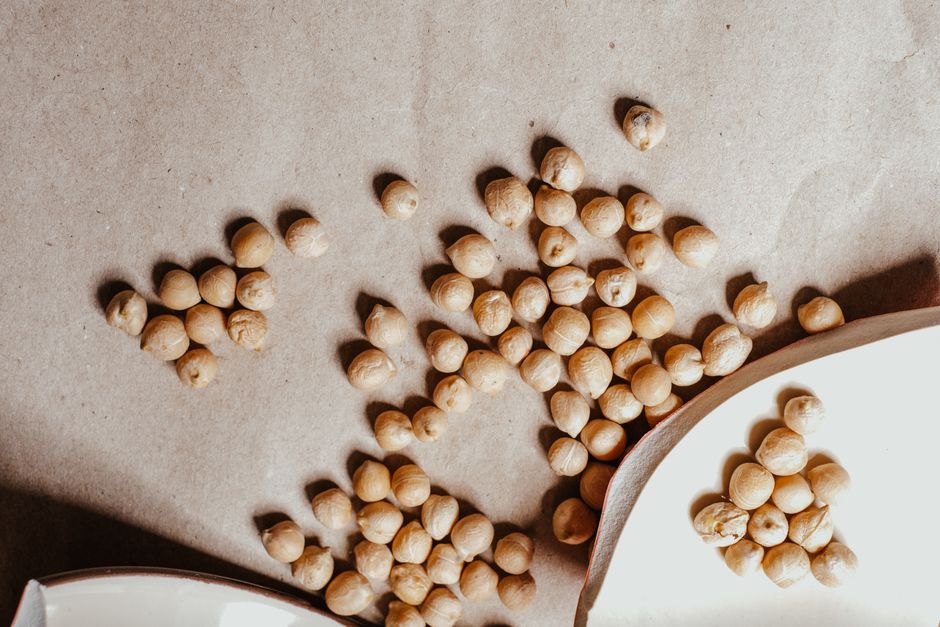
Yes, but you need to be a bit more deliberate. Plant proteins like lentils, chickpeas, black beans, and tofu are lower in calories and high in fiber, which supports fullness. A cup of cooked lentils provides about 18 grams of protein and 15 grams of fiber — a combination that keeps you satisfied for hours.
The catch is that most plant proteins are incomplete, meaning they lack one or more essential amino acids. Eating a variety of plant proteins throughout the day solves this problem without much effort. Pair rice with beans, or add nuts and seeds to your meals, and you will cover your amino acid needs.
Cook’s tip: Crumble tofu into your ground meat dishes. It stretches the meat further and adds protein without changing the flavor much.
Which Protein Sources Should You Limit or Avoid?
Processed meats like bacon, sausage, and deli meats are high in protein but also carry sodium and saturated fat. A 2-ounce serving of salami can pack over 300 calories and a day’s worth of sodium. These foods do not help weight loss because their calorie density works against you.
Protein bars and shakes are convenient but often contain added sugars and artificial ingredients. Many bars sit at 250 to 300 calories with only 15 to 20 grams of protein — a poor trade-off. Whole food sources are almost always the better choice for both nutrition and satiety.
Frequently Asked Questions
Related Articles
Can you lose weight eating only protein shakes?
Technically yes, but it is not sustainable or enjoyable long-term. Whole foods provide fiber, vitamins, and minerals that shakes lack.
Is red meat bad for weight loss?
Lean cuts of red meat like sirloin or 93% lean ground beef can fit into a weight loss plan. Fatty cuts like ribeye add too many calories quickly.
How much protein can your body absorb in one meal?
Research suggests your body uses 20 to 40 grams of protein per meal efficiently for muscle building. The rest is still digested and used for energy or other functions.
Do you need protein right after a workout?
Not immediately, but having protein within a few hours after exercise supports muscle recovery. Your total daily intake matters more than exact timing.
Can too much protein harm your kidneys?
Healthy kidneys handle high protein intakes without damage. People with existing kidney disease should consult their doctor about safe levels.
What is the easiest way to eat more protein?
Add one high-protein food to every meal and snack. Eggs at breakfast, chicken at lunch, and fish at dinner get you most of the way there.
Protein is the most forgiving macro to work with when you are trying to lose weight. It fills you up, protects your muscle, and pairs well with almost any eating style. Start with lean animal proteins and Greek yogurt — they are the most reliable options for most women. Then experiment with plant sources to find what fits your taste and budget.

The TDEECAL Team writes about nutrition, metabolism, and fat loss the way we built our calculator, with real numbers and no hype. We dig into the research so you don’t have to guess.