Why This Question Deserves a Straight Answer
Walking down the snack aisle makes weight loss feel impossible. Every bag promises flavor, but most deliver empty calories that leave you hungry an hour later. The truth is simpler than the marketing suggests.
When you ask what chips are good for weight loss, the honest answer is that no chip will make you lose weight on its own. Some chips, however, fit into a calorie-controlled diet far better than others. The best choices combine protein, fiber, and reasonable portion sizes — not just clever labeling.
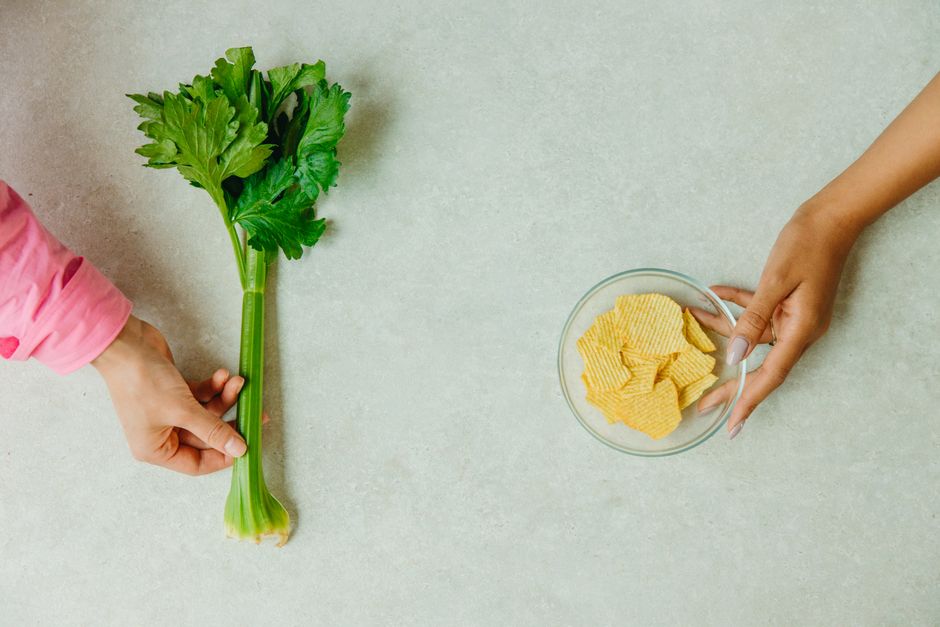
Most articles tell you to eat celery sticks and call it a day. This guide covers the actual options that work in real life, including how to read labels like a nutritionist and which popular brands are worth your money.
Key Points at a Glance
| Point | What It Means | Why It Matters |
|---|---|---|
| Protein chips | Made from beans, lentils, or soy | Keeps you full longer with fewer calories per gram |
| Portion size | One serving is typically 1 ounce or 28 grams | Most people eat 2-3 servings without realizing it |
| Fiber content | Aim for 3 grams or more per serving | Fiber slows digestion and reduces hunger |
| Calorie density | Lower calories per gram means more food for fewer calories | Helps you feel satisfied while staying in a deficit |
| Fat type | Baked or air-fried beats deep-fried | Deep-fried chips add unnecessary calories |
What Chips are Good for Weight Loss: The Short List
The best chips for weight loss share three qualities. They have at least 4 grams of protein per serving, at least 3 grams of fiber, and fewer than 150 calories per serving. These numbers keep you full while leaving room in your daily calorie budget.
Bean-based chips, like those made from black beans or chickpeas, consistently perform well. Lentil chips also work. Both provide roughly 130-140 calories per ounce with 5-7 grams of protein and 3-5 grams of fiber. The exact numbers vary by brand, so check the label.
Pork rinds deserve an honorable mention. They contain zero carbs and high protein — around 9 grams per serving. But they lack fiber and contain significant saturated fat. They work best as an occasional option, not a daily staple.
I always keep a bag of bean chips in my pantry. They satisfy the crunch craving without triggering the “one handful turns into the whole bag” problem that regular potato chips cause.
How to Read a Chip Label Like a Nutritionist
The front of the bag tells you nothing useful. “Baked,” “veggie,” and “natural” are marketing terms, not health claims. Flip the package over and focus on four specific numbers.
Check calories per serving first. Then look at protein and fiber — you want both to be high. Finally, check the ingredient list. If vegetables or legumes appear in the first three ingredients, the chip is likely a reasonable choice. If the first ingredient is potato flour or cornmeal, you’re buying a flavored starch.
One common mistake deserves attention: “veggie chips” often contain more potato and cornstarch than actual vegetables. A study in the Journal of the Academy of Nutrition and Dietetics found that many veggie chips contain minimal vegetable content. The nutrition label reveals the truth.
Which Popular Chip Brands Actually Work
Some brands have earned a reputation for better nutrition profiles. Quest Protein Chips deliver around 140 calories and 19 grams of protein per bag. They use a blend of protein isolates and fibers, which means the texture differs from traditional chips. Some people love them; others find them too dense.
Hippeas, made from chickpeas, offer 130 calories and 4 grams of protein per serving. They taste closer to traditional cheese puffs. Beanitos provide a similar profile with black beans or pinto beans as the base.
Baked potato chips, like Lay’s Oven Baked, contain about 120 calories per serving. They work fine but lack protein and fiber. You’ll feel less satisfied after eating them compared to bean-based options. They’re better than regular chips but not the best choice.
The evidence on “healthy” chip alternatives is mixed. Some research suggests that food with higher protein and fiber leads to better appetite control. But no study has confirmed any chip helps with weight loss specifically. The chip choice matters less than your overall daily calorie intake.
Are There Chips That Sabotage Weight Loss?
Some chips actively work against your goals. Deep-fried potato chips top the list. They pack roughly 150-160 calories per ounce with almost no protein or fiber. The combination of refined carbs and unhealthy fats leaves you hungry quickly.
“Kettle-cooked” chips sound rustic but contain the same calories as regular chips. The cooking method doesn’t change the nutrition much. Flavored chips, particularly sour cream and onion or barbecue, often add sugar and artificial ingredients without any nutritional benefit.
Tortilla chips deserve special caution. A typical restaurant serving of tortilla chips with salsa runs 300-400 calories before you account for the dip. Guacamole adds healthy fats but also significant calories. If you love tortilla chips, measure one serving — about 12 chips — and pair it with salsa rather than cheese dip.
How Many Calories Should You Budget for Chips?
Your daily calorie target depends on your age, height, weight, and activity level. A TDEE calculator gives you a personalized estimate of how many calories you burn each day. To lose weight, you typically eat 300-500 calories below that number.
Within that deficit, a reasonable chip portion is 100-150 calories per day. This allows you to enjoy chips without derailing your progress. If you’re eating a very low-calorie diet — under 1,200 calories for women — you may need to skip chips entirely or choose the lowest-calorie option available.
No established clinical guideline exists specifically for chip consumption during weight loss. The general evidence on weight management consistently shows that total calorie intake matters more than any single food choice.
Frequently Asked Questions
Related Articles
Are baked chips better than fried chips for weight loss?
Baked chips contain fewer calories per gram than fried versions, which helps with weight management. However, they still lack protein and fiber, so you may feel hungry sooner than with bean-based options.
Can I eat chips every day and still lose weight?
You can eat chips daily as long as they fit within your total calorie budget for weight loss. The key is portion control — stick to one serving and track it accurately.
What is the lowest calorie chip option?
Baked potato chips typically offer the lowest calories at around 110-120 per serving. Pork rinds and some protein chips also provide low-calorie alternatives with higher protein content.
Do veggie chips count as healthy chips?
Most veggie chips contain mostly potato starch and corn flour rather than actual vegetables. Check the ingredient list and nutrition label rather than trusting the packaging.
Are protein chips worth the higher price?
Protein chips cost more but deliver significantly more protein per serving, which helps with satiety. If you struggle with snacking between meals, they may justify the extra cost.
How many chips equal one serving?
One serving is typically 1 ounce or about 28 grams, which equals roughly 10-15 chips depending on the brand. Weigh your chips at home once to see what a true serving looks like.

The TDEECAL Team writes about nutrition, metabolism, and fat loss the way we built our calculator, with real numbers and no hype. We dig into the research so you don’t have to guess.