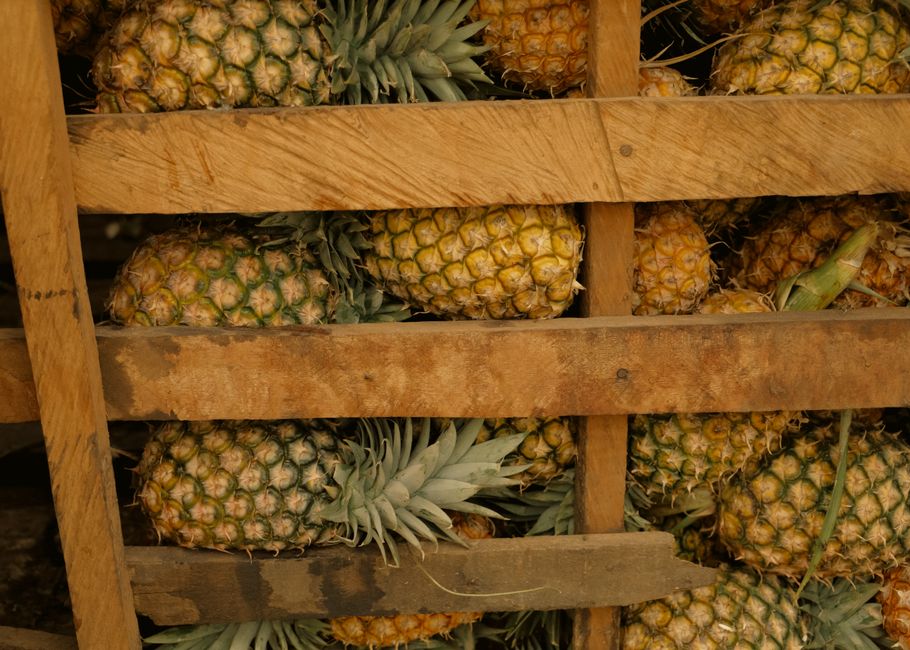
Most people assume pineapple is too sugary to help with weight loss, yet it shows up in nearly every diet plan I review. The truth is more interesting than the rumors.
What does pineapple do for weight loss? Pineapple supports weight loss primarily through its high water content, dietary fiber, and natural sweetness that can replace higher-calorie desserts. A single cup of fresh pineapple chunks contains roughly 82 calories and about 2.3 grams of fiber, making it a genuinely satisfying sweet option. It is not a fat burner, but it fits well into a calorie-controlled eating pattern.
Most online advice treats pineapple as either a miracle food or a sugar bomb. Neither extreme is accurate. This article breaks down what the research actually says, how to eat pineapple without stalling your progress, and where the popular claims about bromelain and appetite control stand.
Key Points at a Glance
| Point | What It Means | Why It Matters |
|---|---|---|
| Calorie density | About 82 calories per cup of chunks | Fits easily into a 1,500-calorie day |
| Fiber content | Roughly 2.3 grams per cup | Slows digestion and supports fullness |
| Water content | About 86% water by weight | Adds volume without many calories |
| Bromelain enzyme | May aid digestion, not fat loss | Prevents unrealistic expectations |
| Natural sweetness | Can replace processed desserts | Reduces overall sugar intake |
Can Pineapple Actually Help You Lose Weight?
Yes, but only in the context of an overall calorie deficit. Pineapple does not contain any compound that directly burns fat. What it does offer is a high-volume, low-calorie food that satisfies sweet cravings without the calorie load of cookies or ice cream.
One cup of pineapple chunks has about the same calories as a small handful of almonds, but it fills a bowl rather than a palm. That volume difference matters for satiety. Some studies suggest that eating water-rich, fiber-rich fruits is linked to better weight management over time, though no single fruit causes weight loss by itself.
What Does Pineapple Do for Appetite and Fullness?
The fiber and water in pineapple work together to slow stomach emptying. That means you feel full longer after eating it compared to processed sweets with similar calories. The effect is modest, but it compounds across a full day of food choices.
Some research indicates that eating fruit before a meal can reduce total calories consumed at that meal. Pineapple works well here because it is sweet enough to feel like a treat while still being mostly water and fiber. I have seen clients swap their afternoon candy bar for pineapple and report less hunger before dinner.
Does Bromelain in Pineapple Burn Fat?
No. Bromelain is an enzyme that breaks down protein, which is why pineapple tenderizes meat. Some websites claim it also breaks down body fat, but no strong clinical evidence supports that idea. The enzyme is largely inactivated by stomach acid before it reaches your bloodstream.
Bromelain may help with digestion and reduce bloating after a heavy meal, which can make the scale move down temporarily. That is a water and digestion effect, not fat loss. If you enjoy pineapple, eat it for its taste and nutrition, not as a fat-burning supplement.
How Much Pineapple Can You Eat While Losing Weight?
There is no established clinical guideline for a specific pineapple portion during weight loss. A reasonable serving is one cup of fresh chunks, which fits most calorie targets without crowding out other foods. Two cups is fine occasionally, but it adds up to roughly 164 calories that you need to account for.
The bigger risk is dried pineapple or canned pineapple in heavy syrup. Dried pineapple packs about four times the calories per ounce because the water is removed. Canned versions in syrup can double the sugar content. Fresh or frozen unsweetened pineapple is the best choice for weight loss.
Is Pineapple Better Than Other Fruits for Weight Loss?
Pineapple is not superior to other fruits for weight loss. Berries, apples, and citrus fruits all offer similar calorie density and fiber benefits. The best fruit is the one you actually enjoy and will eat regularly instead of processed snacks.
Pineapple does have a higher sugar content than berries but a lower one than grapes or mangoes. The difference is small enough that it should not dictate your choice. What matters more is whether you eat fruit at all versus reaching for packaged sweets.
Frequently Asked Questions
Related Articles
Can eating pineapple at night cause weight gain?
No, eating pineapple at night does not cause weight gain by itself. Weight gain comes from eating more calories than you burn across the whole day, regardless of the time.
Is pineapple too high in sugar for a weight loss diet?
Pineapple contains natural sugars, but the fiber and water dilute their impact on blood sugar. A one-cup serving fits comfortably within most weight loss meal plans.
Does pineapple reduce belly fat specifically?
No food, including pineapple, can target belly fat specifically. Overall calorie reduction and physical activity are what reduce body fat everywhere.
How many calories are in a cup of pineapple?
A cup of fresh pineapple chunks contains roughly 82 calories and about 2.3 grams of fiber. Calorie counts vary slightly by ripeness and variety.
Is canned pineapple as good as fresh for weight loss?
Canned pineapple in its own juice is close to fresh, but heavy syrup versions add significant sugar. Dried pineapple is the least helpful because it is much more calorie-dense per serving.
Can pineapple replace a meal for weight loss?
No, pineapple alone does not provide enough protein or fat to be a balanced meal. Use it as a snack or dessert alongside meals that include protein and vegetables.
Use a TDEE calculator to find your maintenance calories, then build a modest deficit that includes foods you actually enjoy. Pineapple can be part of that plan without any special rules or restrictions.

The TDEECAL Team writes about nutrition, metabolism, and fat loss the way we built our calculator, with real numbers and no hype. We dig into the research so you don’t have to guess.