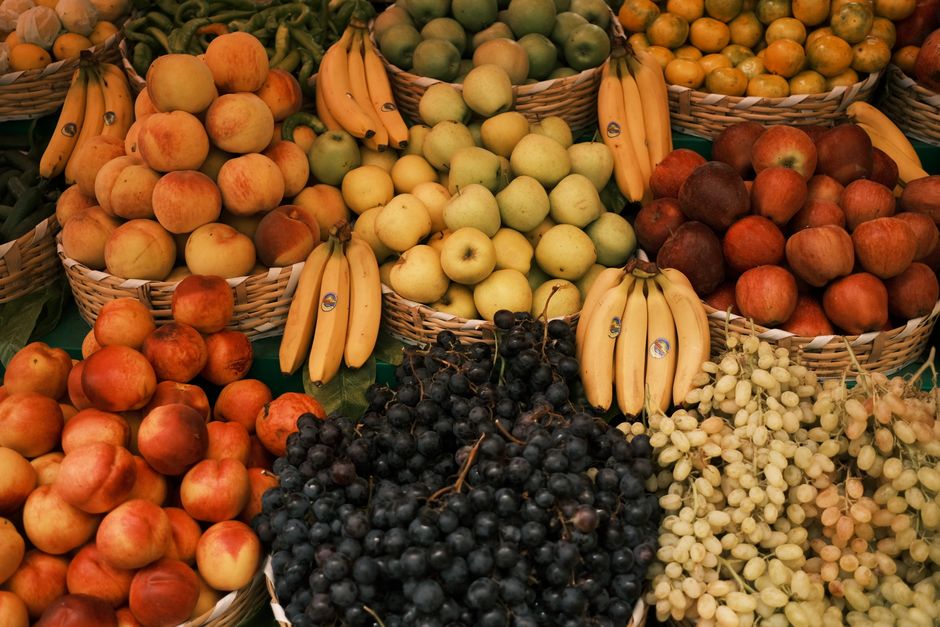
Your grocery cart might be the single most powerful tool you have for weight loss, and the fruit section is where many of us get stuck. We know fruit is healthy, but we also hear it has sugar, and that contradiction leaves a lot of women confused.
The short answer is that most whole fruits support fruits weight loss because their fiber and water content help you feel full on fewer calories, but the best choices are lower-sugar options like berries, apples, and citrus fruits. These fruits provide volume and nutrients without spiking your blood sugar the way dried fruit or fruit juice can. The real trick is not avoiding fruit, but learning which ones work hardest for your goals and how to pair them with protein or fat to stay satisfied.
Many generic articles tell you to eat “any fruit” or “avoid all fruit,” and both extremes miss the point. This article gives you a practical, evidence-aware guide to choosing and using fruit so it helps your progress instead of hindering it. You will see specific fruits ranked by their impact on hunger and calories, plus simple ways to fit them into your daily routine without overthinking.
Key Points at a Glance
| Point | What It Means | Why It Matters |
|---|---|---|
| Berries are top tier | Lowest sugar, highest fiber per serving | Keeps blood sugar steady and cravings low |
| Whole fruit beats juice | Fiber is removed in juice, leaving only sugar | Whole fruit fills you up, juice doesn’t |
| Pair fruit with protein | Adds staying power to the natural sugars | Prevents the energy crash after eating fruit alone |
| Portion size still matters | Even low-calorie fruit adds up if you eat too much | One serving is about one cup or one medium piece |
Which Fruits Are Best for Weight Loss?
The fruits that help most with weight loss are the ones that give you the most volume and fiber for the fewest calories. Berries, apples, pears, grapefruit, and melons all fit this description. A cup of strawberries has about 50 calories and 3 grams of fiber, while a medium apple has about 95 calories and 4 grams of fiber. That fiber slows down digestion and keeps your stomach feeling full longer than a sugary snack would.
I always keep a bag of frozen berries in my freezer. They are cheaper than fresh, last much longer, and I can toss a handful into yogurt or oatmeal without any prep work. That simple swap has saved me from reaching for granola bars more times than I can count.
Practical tip: If you crave something sweet after dinner, eat a small apple or a cup of berries first. Wait ten minutes. Often the craving passes because your body actually needed the volume and fiber, not more sugar.
What Fruits Should You Limit for Weight Loss?
No fruit is “bad,” but some are much easier to overeat because they are calorie-dense. Bananas, grapes, cherries, and mangoes have more sugar and less water per bite than berries or melons. A large banana has about 120 calories, and a cup of grapes has about 100 calories. That is not a problem if you stick to one serving, but it is very easy to eat three bananas or a whole bunch of grapes without thinking.
Dried fruit is the biggest trap. A small box of raisins (1.5 ounces) has about 130 calories and 25 grams of sugar, and you can finish it in under a minute. The same amount of fresh grapes would take much longer to eat and would fill your stomach with water and fiber first. If you like dried fruit, measure out one serving and put the bag away before you start eating.
How Much Fruit Should You Eat Per Day for Weight Loss?
The general guideline is two to three servings of fruit per day, with one serving being about one cup of berries or one medium piece of whole fruit. This amount gives you the vitamins and fiber you need without crowding out other important foods like vegetables, protein, and healthy fats. Eating more than that can add up in calories, especially if you choose higher-sugar fruits.
If you are actively trying to lose weight, aim for two servings of fruit and three to four servings of vegetables each day. Vegetables are lower in calories and higher in water, so they fill you up with less energy. Fruit provides sweetness and specific nutrients, but it should not be the bulk of your produce intake. A simple rule is to make vegetables the star of your plate and use fruit as a supporting player or a dessert replacement.
Is Fruit Sugar the Same as Added Sugar?
No, and this distinction matters for weight loss. The sugar in whole fruit comes packaged with fiber, water, and a variety of micronutrients that slow down how quickly your body absorbs it. Added sugar in soda, candy, or baked goods has none of that, so it hits your bloodstream fast and spikes your insulin. That spike can lead to a crash and more cravings a few hours later.
That does not mean fruit sugar is free calories. Your body still processes the sugar, and too much of any sugar can stall weight loss. But a whole apple affects your body very differently than a soda with the same amount of sugar. The fiber and volume in the apple tell your brain you are full, while the soda gives you nothing but liquid sugar. If you are choosing between a piece of fruit and a processed sweet, the fruit is almost always the better choice.
How to Fit Fruit Into a Weight Loss Meal Plan
The easiest way to include fruit without overdoing it is to pair it with protein or fat. An apple with a tablespoon of peanut butter, berries with plain Greek yogurt, or a small orange with a handful of almonds all work well. The protein and fat slow down digestion even further, keeping your blood sugar stable and your hunger in check for hours.
Another strategy is to use fruit as a topping or mixer rather than a standalone snack. Add a half cup of blueberries to your oatmeal, slice a pear into your salad, or blend a small banana into a smoothie with spinach and protein powder. This way you get the flavor and nutrients without eating a full serving of fruit by itself, which can sometimes leave you hungry again soon after.
If you track calories or macros, log your fruit just like anything else. A medium banana is roughly 100 calories and 27 grams of carbs. That fits easily into most plans, but it is not “free” food. Knowing the numbers helps you make informed choices rather than guessing.
Related Articles
Frequently Asked Questions
Can you eat fruit every day and still lose weight?
Yes, as long as you stick to reasonable portions and choose lower-sugar options most of the time. Two servings of whole fruit per day fits easily into a weight loss plan.
Are bananas bad for weight loss?
No, but they are more calorie-dense than berries or melons, so portion control matters more. One medium banana per day is fine for most people.
What is the best fruit to eat for weight loss?
Berries are often considered the best because they are low in calories and high in fiber per serving. Strawberries, blueberries, and raspberries all work well.
Is fruit juice good for weight loss?
No, fruit juice removes the fiber and leaves mostly sugar and water. It is better to eat the whole fruit instead.
How many calories are in a cup of strawberries?
A cup of whole strawberries has about 50 calories and 3 grams of fiber. That makes them one of the lowest-calorie fruit options available.
Should you avoid fruit on a low-carb diet?
Not entirely, but you may need to limit higher-sugar fruits like bananas and grapes. Berries and melons are lower in carbs and can fit into most plans.
For a more personalized estimate of how many calories you need each day, use the TDEE Calculator to set your baseline. Knowing your maintenance calories makes it much easier to adjust your fruit intake and everything else accordingly.

The TDEECAL Team writes about nutrition, metabolism, and fat loss the way we built our calculator, with real numbers and no hype. We dig into the research so you don’t have to guess.