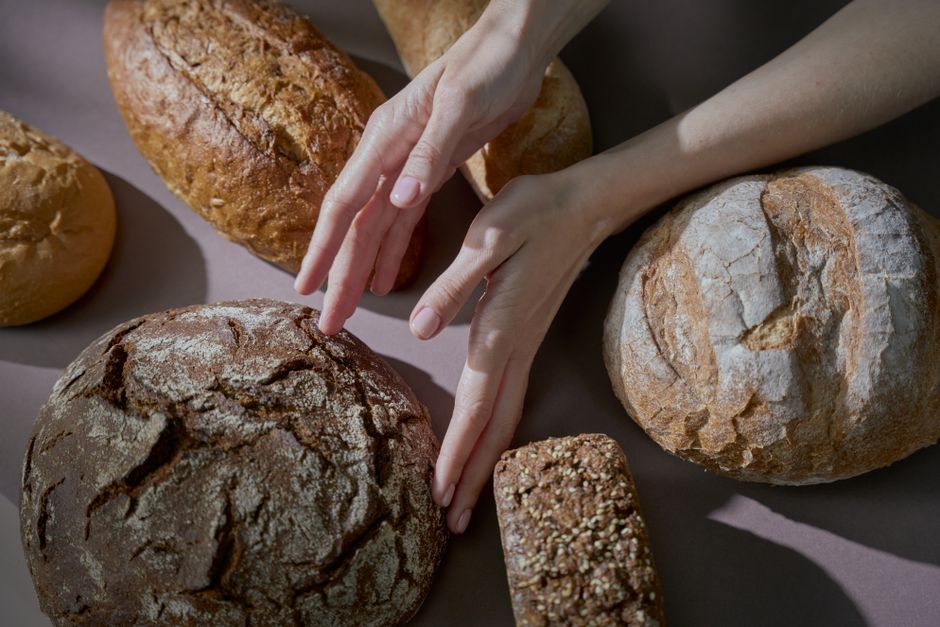
What Is a Good Bread for Weight Loss?
Most bread isn’t the problem. The problem is picking bread that disappears quickly and leaves you hungry an hour later.
A good bread for weight loss is one that delivers at least 3 grams of fiber and 4 grams of protein per slice, with whole grains listed as the first ingredient. These breads slow digestion, keep blood sugar steady, and help you feel full on fewer calories. The exact bread that works for you depends on your calorie target and how your body responds to different grains.
Generic advice about “just eat whole wheat” misses something important. Many commercial whole wheat breads contain added sugars and refined flour that undermine your efforts. This guide covers what to look for on the label, realistic calorie counts, and which breads actually support weight loss without tasting like cardboard.
Key Points at a Glance
| Point | What It Means | Why It Matters |
|---|---|---|
| Fiber content | At least 3 grams per slice | Slows digestion and keeps you fuller longer |
| Protein content | 4 grams or more per slice | Increases satiety and reduces snacking later |
| First ingredient | Whole grain, not enriched flour | Ensures you get the actual grain kernel |
| Calorie density | 80–120 calories per slice | Fits into most weight loss calorie budgets |
| Added sugar | Under 2 grams per slice | Prevents blood sugar spikes and cravings |
What Makes Bread Good for Weight Loss?
The best bread for weight loss combines three things: fiber, protein, and moderate calories. Fiber slows how fast sugar enters your bloodstream. Protein increases fullness hormones that signal your brain to stop eating.
Research consistently shows that higher fiber intake is linked to lower body weight. A study published in the Journal of Nutrition found that people who increased their fiber intake lost weight even without changing other parts of their diet. Bread that delivers real fiber makes this easier.
I look for bread that doesn’t crumble when toasted. That’s a practical sign it has enough structure from actual grains rather than just fillers.
Which Bread Types Actually Work?
100% Whole Grain Bread
This is the most reliable choice. Whole grain bread uses the entire kernel, so you get the bran, germ, and endosperm. Look for “100% whole grain” on the package, not just “whole grain” or “wheat bread.”
A slice typically has 80–110 calories, 3–5 grams of fiber, and 4–6 grams of protein. These numbers work well for most weight loss plans.
Sprouted Grain Bread
Sprouted breads like Ezekiel are made from grains that have begun to germinate. This process can increase nutrient availability and slightly reduce the effect on blood sugar.
A slice usually has 80 calories, 3 grams of fiber, and 5 grams of protein. The downside is a denser texture that some people find off-putting at first.
Rye Bread
Traditional rye bread made with whole rye flour performs well for weight management. Research suggests rye bread increases fullness compared to wheat bread with the same calorie content.
Look for dark, dense rye with whole rye as the first ingredient. Many commercial “rye” breads are mostly wheat flour with rye flavoring.
Sourdough
Sourdough undergoes fermentation that may lower its glycemic index. That means it causes a smaller blood sugar spike than regular white bread.
The catch: sourdough often has similar calories and fiber to white bread. It’s a better choice than white, but not automatically a weight loss bread.
What about a good bread for weight loss — is there one clear winner?
No single bread works for everyone. The best choice depends on your taste preferences, calorie budget, and how your body responds.
A good bread for weight loss must pass three tests. It must have at least 3 grams of fiber per slice. It must have at least 4 grams of protein per slice. And it must be something you’ll actually eat consistently.
I keep a rotation of two breads in my freezer. One for toast, one for sandwiches. That prevents boredom from derailing the habit.
What to Avoid in Bread
White bread is the obvious one to skip. It’s low in fiber and spikes blood sugar quickly.
But some “healthy” breads are just as problematic. Check for these red flags:
- Enriched flour listed before whole grains
- More than 2 grams of added sugar per slice
- High fructose corn syrup anywhere in the ingredients
- Very long ingredient lists with unrecognizable additives
- Claims like “low fat” or “light” that mask refined flour
Some studies indicate that ultra-processed foods, including certain commercial breads, are associated with increased calorie intake. The more processed the bread, the less likely it is to support your goals.
How Many Calories Should Bread Have?
For weight loss, aim for bread between 80 and 120 calories per slice. This range fits comfortably into most calorie targets without requiring you to give up sandwiches.
Remember that bread calories add up quickly. Two slices for a sandwich means 160–240 calories before you add fillings. That’s fine if it fits your daily budget.
I weigh my bread occasionally. Slices vary by brand, and some “thin” breads are surprisingly close to regular slices in calories.
Frequently Asked Questions
Related Articles
Is whole wheat bread good for weight loss?
Whole wheat bread can be good if it’s 100% whole wheat with at least 3 grams of fiber per slice. Many commercial whole wheat breads contain mostly refined flour, so check the ingredient list carefully.
How many slices of bread can I eat per day while losing weight?
Most people can fit 2 to 4 slices per day within a weight loss calorie budget. The exact number depends on your total calorie target and what else you eat that day.
Is sourdough bread good for weight loss?
Sourdough has a lower glycemic index than white bread, which may help with blood sugar control. However, it’s often similar in calories and fiber to regular bread, so it’s not automatically a weight loss food.
What is the lowest calorie bread?
Low-calorie breads range from 40 to 60 calories per slice, but many are low in fiber and protein. Check the nutrition label to ensure you’re not trading calories for satiety.
Does eating bread at night cause weight gain?
No, eating bread at night doesn’t cause weight gain by itself. Total daily calorie intake determines weight change, not the time you eat bread.
Is gluten-free bread better for weight loss?
Gluten-free bread is not automatically better for weight loss and is often higher in calories and lower in fiber. Only choose gluten-free bread if you have celiac disease or diagnosed gluten sensitivity.

The TDEECAL Team writes about nutrition, metabolism, and fat loss the way we built our calculator, with real numbers and no hype. We dig into the research so you don’t have to guess.