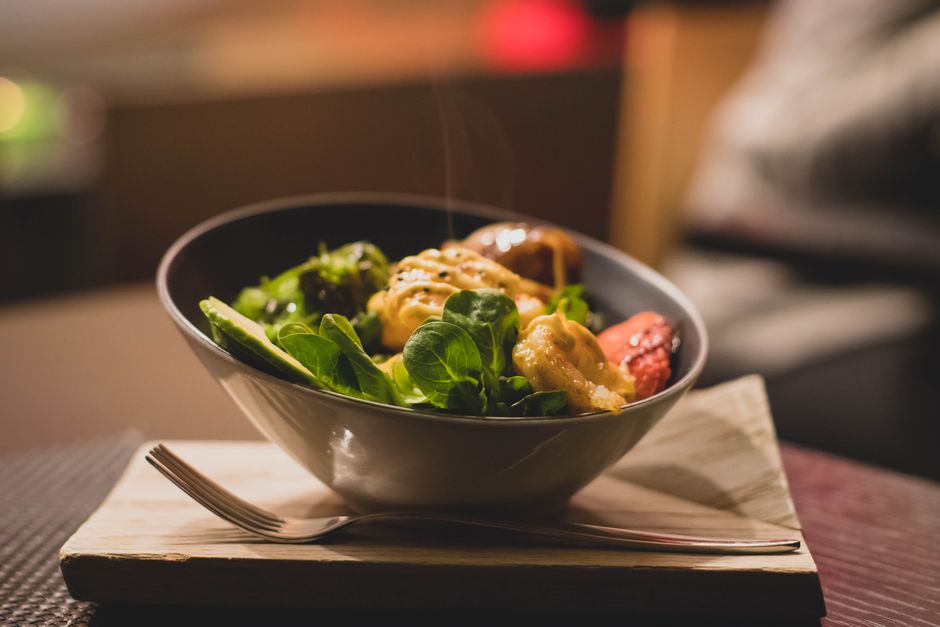
Most of us have stood in front of the refrigerator after a long day, hungry and tired, with no idea what to cook. You want something that helps you lose weight but still tastes good and keeps you full. The answer is simpler than most diet trends suggest.
A healthy dinner for weight loss is a meal built around lean protein, non-starchy vegetables, and a modest portion of complex carbohydrates or healthy fats. It should leave you satisfied, not stuffed, and typically falls between 400 and 600 calories. The key is balancing nutrients so your blood sugar stays stable and cravings don’t hit an hour later.
This article cuts through the confusion. You will learn the actual science behind what makes a dinner support weight loss, plus practical ways to build one without complicated recipes or expensive ingredients. We cover common mistakes and what the evidence really says about timing and portions.
Key Points at a Glance
| Point | What It Means | Why It Matters |
|---|---|---|
| Protein first | Start your plate with 20–30 grams of lean protein | Protein preserves muscle and increases fullness more than any other nutrient |
| Fill half with vegetables | Non-starchy veggies like broccoli, spinach, or peppers | High volume for few calories helps you feel full without overeating |
| Watch the carbs | Keep grains or starchy veggies to about one cup cooked | Too many carbs at dinner can spike insulin and disrupt sleep quality |
| Fat is not the enemy | Include one serving of healthy fat like olive oil or avocado | Fat slows digestion and helps absorb fat-soluble vitamins |
| Timing matters less than total | Eating late does not automatically cause weight gain | Total daily calories still matter more than when you eat them |
What Is a Healthy Dinner for Weight Loss Really About?
The term “healthy dinner” gets thrown around so much it has almost lost meaning. For weight loss specifically, a healthy dinner is one that keeps you in a calorie deficit while providing enough nutrients to function well the next day. It is not about eating salad every night or cutting out entire food groups.
Evidence from controlled trials shows that meals higher in protein and fiber consistently lead to better appetite control and lower overall calorie intake the next day. A 2019 review in the journal Nutrients found that protein at dinner specifically improved satiety and reduced late-night snacking. I always notice this myself — when I skip protein at dinner, I am raiding the pantry by 9 p.m.
How Much Protein Do You Need to Lose Weight?
Most women need between 20 and 30 grams of protein at dinner for weight loss. That is roughly the amount in 4 ounces of chicken breast, a 5-ounce salmon fillet, or one cup of cooked lentils plus a dollop of Greek yogurt. Going higher than 40 grams does not seem to add much benefit for satiety.
Protein does more than just fill you up. It has a higher thermic effect than carbs or fat, meaning your body burns more calories digesting it. A 2021 study in the American Journal of Clinical Nutrition estimated that increasing protein from 15% to 30% of total calories can boost daily energy expenditure by about 80 to 100 calories.
Practical tip: If you are short on time, pre-cook a batch of chicken thighs or hard-boiled eggs on Sunday. Having protein ready to go makes it much easier to build a balanced dinner without thinking.
Are Vegetables Really That Important for Weight Loss?
Vegetables are the single most underrated tool for weight loss at dinner. Non-starchy vegetables like broccoli, cauliflower, zucchini, and leafy greens provide bulk for very few calories. A full cup of cooked broccoli has about 55 calories. You can eat a large volume of vegetables and still stay well within your calorie target.
Fiber from vegetables also slows down how fast your stomach empties, which keeps you feeling full longer. The Dietary Guidelines for Americans recommend 2.5 cups of vegetables per day for women, and dinner is an easy place to get half of that. I add a handful of spinach to almost everything I cook — it wilts down to almost nothing and barely changes the flavor.
What About Carbs at Dinner — Should You Cut Them?
You do not need to cut carbs entirely, but portion control matters more at dinner than at breakfast or lunch. Eating a large serving of refined carbs like white rice or pasta close to bedtime can cause a blood sugar spike followed by a crash that disrupts sleep. Poor sleep is linked to higher cortisol and more cravings the next day.
A better approach is to stick with about one cup of cooked complex carbs, such as quinoa, sweet potato, or brown rice. If you are eating a higher-carb vegetable like corn or peas, reduce the grain portion to compensate. Some people do well with no carbs at dinner at all — that is fine too, as long as your total daily intake is adequate.
Common Mistakes People Make With Healthy Dinners
One mistake is relying on “healthy” convenience products like frozen diet meals or pre-made salads. These are often lower in protein and higher in sodium than homemade versions, which means you feel hungry again quickly. A frozen meal might have 350 calories but only 12 grams of protein — that will not hold you until breakfast.
Another mistake is skipping fat entirely. Fat helps your body absorb vitamins and adds flavor that makes vegetables more appealing. A tablespoon of olive oil or half an avocado adds about 120 calories but makes the difference between a meal you finish and one you abandon. Just measure it instead of pouring freely.
Practical tip: Use your TDEE Calculator to find your maintenance calories, then subtract 300 to 500 for a safe deficit. Build your dinner within that remaining budget.
Does Eating Late at Night Cause Weight Gain?
This is one of the most persistent myths in nutrition. The evidence is mixed, but the current consensus is that total calorie intake matters more than timing. A 2022 meta-analysis in Obesity Reviews found no significant difference in weight loss between people who ate dinner early versus late when calories were matched.
That said, eating a large meal right before bed can interfere with sleep quality for some people. If you tend to eat dinner after 8 p.m., keep it lighter — focus on protein and vegetables, and keep carbs and fat moderate. Your body will thank you in the morning.
Related Articles
Frequently Asked Questions
What is a healthy dinner for weight loss if I don’t cook?
A rotisserie chicken breast with a bag of steam-in-bag broccoli and a small sweet potato works well. This combination takes five minutes to assemble and meets all the nutrient targets.
How many calories should dinner be for weight loss?
Most women aiming for weight loss do well with dinner between 400 and 600 calories. This leaves room for breakfast and lunch while still creating a modest deficit.
Can I eat pasta for dinner and still lose weight?
Yes, but keep the portion to about one cup cooked and pair it with a generous serving of vegetables and protein. A pasta dinner without protein will leave you hungry within two hours.
Is soup a good healthy dinner for weight loss?
Broth-based soups with vegetables and lean protein can be excellent for weight loss because they are high in volume and low in calories. Avoid cream-based soups, which are often calorie-dense and low in protein.
Should I skip dinner to lose weight faster?
Skipping dinner usually backfires by causing overeating later or the next day. Regular meals help maintain stable blood sugar and prevent the binge-restrict cycle.
What is the best vegetable for a weight loss dinner?
Broccoli is one of the best choices because it is high in fiber, low in calories, and pairs well with almost any protein. One cup of cooked broccoli provides about 5 grams of fiber for only 55 calories.

The TDEECAL Team writes about nutrition, metabolism, and fat loss the way we built our calculator, with real numbers and no hype. We dig into the research so you don’t have to guess.