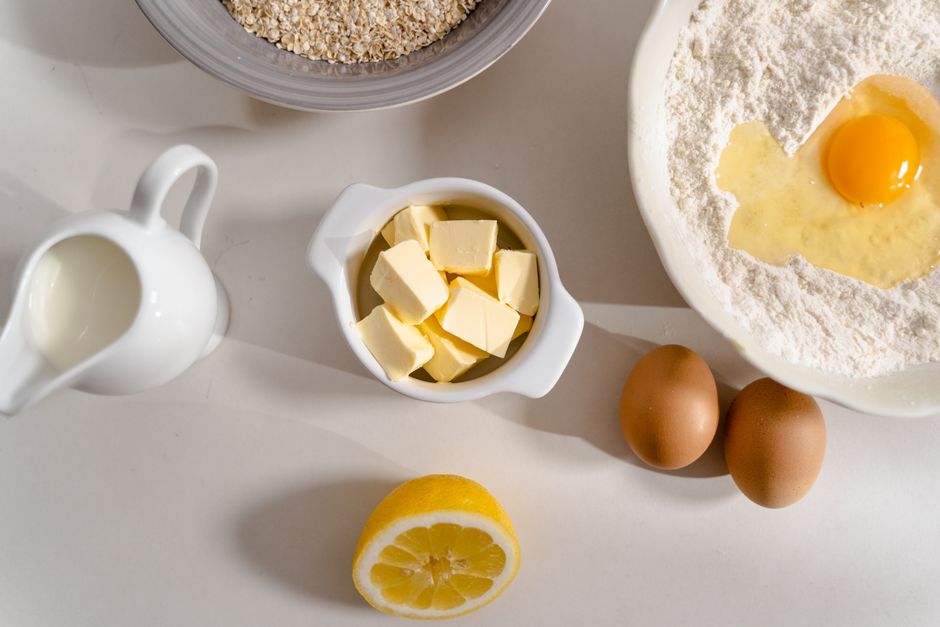
Does Your Breakfast Choice Actually Move the Scale?
Most women over 35 notice the scale moving slower than it did a decade ago. The breakfast you choose plays a real role in that, but the answer isn’t as simple as picking one “diet food” over another.
For weight loss, eggs are generally better than oatmeal because they provide more protein and keep you full longer. But oatmeal wins when you need quick energy before a workout or want more fiber. The best choice depends on your goals, your schedule, and how your body reacts to each food.
This article breaks down the real differences between oatmeal and eggs for weight loss. You’ll learn what the research actually says, how each food affects your hunger hormones, and how to make either choice work harder for you.
Most generic advice tells you to just “pick the healthier option.” This guide goes deeper, showing you exactly how portion size, preparation, and toppings change the calorie math completely.
Key Points at a Glance
| Point | What It Means | Why It Matters |
|---|---|---|
| Protein content | Eggs deliver about 6 grams of protein each | Protein reduces hunger hormones and keeps you satisfied |
| Fiber content | Oatmeal provides 4 grams of fiber per serving | Fiber slows digestion and stabilizes blood sugar |
| Calorie density | Both are roughly 150-180 calories per serving | Preparation method determines the real calorie count |
| Satiety duration | Eggs typically suppress hunger longer | Fewer snacks later means fewer total daily calories |
| Blood sugar impact | Oatmeal raises glucose more than eggs | Stable glucose helps control cravings for hours |
What Does the Research Say About Eggs and Weight Loss?
Studies have found that eggs outperform cereal-based breakfasts for weight management. Research published in the International Journal of Obesity showed that women who ate eggs for breakfast consumed fewer calories over the next 36 hours compared to those who ate bagels with the same calorie count.
The mechanism is straightforward. Eggs contain high-quality protein that triggers the release of cholecystokinin, a hormone that signals fullness to your brain. This effect lasts for hours, not just until your next meal.
I always tell clients to pay attention to how they feel three hours after breakfast. If you’re starving by mid-morning, your breakfast didn’t do its job, regardless of what the calorie label says.
Try keeping hard-boiled eggs in your fridge for busy mornings. They hold their protein content perfectly and require zero cooking time when you’re rushing out the door.
Why Oatmeal Can Still Work for Weight Loss
Oatmeal has advantages that eggs simply cannot match. The beta-glucan fiber in oats has been shown to reduce cholesterol and slow the emptying of your stomach, which helps control blood sugar spikes after meals.
Some studies suggest that fiber-rich breakfasts reduce overall daily calorie intake by promoting steady energy levels. The key is choosing steel-cut or rolled oats rather than instant varieties with added sugar.
One observation from my own kitchen: a bowl of oatmeal with cinnamon and berries keeps my energy steady for hours, but only when I use the right portion. A half-cup of dry oats is plenty — most people serve double that without realizing it.
Measure your oats before cooking, not after. Dry oats look small in the bowl, but they expand to triple their volume. That visual difference tricks many people into eating too much.
How Protein and Fiber Compare Between the Two
Eggs deliver roughly 6 grams of protein each, making a two-egg breakfast worth about 12 grams. Oatmeal provides around 5 grams of protein per half-cup serving, though you can boost that with milk or Greek yogurt stirred in.
Fiber tells a different story. Oatmeal provides about 4 grams of fiber per serving, while eggs contain none. Fiber is essential for digestive health and helps you feel physically full in a way protein alone cannot replicate.
For weight loss, protein matters more than fiber for appetite control. Research consistently shows that high-protein breakfasts reduce cravings and late-night snacking more effectively than high-fiber options.
The winning strategy is combining both foods. A veggie omelet with a small side of oatmeal gives you the satiety benefits of protein plus the digestive benefits of fiber.
What Is Better for Weight Loss Oatmeal or Eggs in Practice?
The honest answer is that eggs work better for most women trying to lose weight. The protein advantage translates directly to fewer calories consumed later in the day, which is the mechanism that actually drives fat loss.
But this assumes you can tolerate eggs and enjoy eating them. If eggs bore you or cause digestive discomfort, oatmeal with added protein powder or Greek yogurt becomes the better practical choice.
Your results depend more on total daily calories than on any single food. A 400-calorie breakfast of either eggs or oatmeal fits into a weight loss plan if your other meals stay on track.
Use a TDEE Calculator to find your maintenance calories, then subtract 300-500 for weight loss. That number tells you exactly how much room you have for breakfast, regardless of which food you choose.
How Preparation Changes the Calorie Equation
A plain egg has about 70 calories, but frying it in butter adds 100 calories or more. Similarly, a half-cup of dry oats has roughly 150 calories, but adding brown sugar, honey, and dried fruit can push that past 400.
The healthiest preparations are the simplest. Poached, boiled, or scrambled eggs cooked in a nonstick pan need no added fat. Oatmeal made with water or unsweetened almond milk keeps calories low without sacrificing texture.
Watch out for flavored instant oatmeal packets. Many contain 12-15 grams of added sugar per serving, which negates the fiber benefits and spikes your blood sugar.
I always recommend adding protein to oatmeal if you choose it. A scoop of vanilla protein powder or a dollop of Greek yogurt transforms a carb-heavy breakfast into a balanced one.
What About Blood Sugar and Energy Levels?
Eggs have virtually no impact on blood sugar, making them ideal for women with insulin resistance or prediabetes. Oatmeal raises blood sugar moderately, though the fiber helps blunt the spike compared to refined cereals.
Stable blood sugar translates to stable energy throughout the morning. Many women report fewer energy crashes and less brain fog when they choose eggs over carbohydrates at breakfast.
If you exercise in the morning, oatmeal might serve you better. The carbohydrates provide quick fuel for workouts, while eggs are better suited for rest days or post-workout recovery meals.
Frequently Asked Questions
Related Articles
How many eggs should I eat for weight loss?
Two to three eggs per day is reasonable for most healthy women. This provides 12-18 grams of protein while staying within typical calorie targets.
Can I eat oatmeal every day and still lose weight?
Yes, as long as you control portions and avoid sugary toppings. Stick to half a cup of dry oats with protein added to keep calories around 250-300.
Is it better to eat eggs or oatmeal before a workout?
Oatmeal is better before exercise because carbohydrates provide quick energy. Eggs work better after workouts for muscle repair and recovery.
Do eggs raise cholesterol levels?
Most research shows that dietary cholesterol has a small effect on blood cholesterol for most people. The bigger risk factor is saturated fat from other sources like bacon or butter.
Can I eat both eggs and oatmeal together?
Combining them creates a balanced breakfast with protein, fiber, and lasting fullness. Keep portions moderate to stay within your calorie goals.
What is the best time to eat breakfast for weight loss?
Eating within two hours of waking helps control hunger later in the day. The exact time matters less than what you eat and how many total calories you consume.

The TDEECAL Team writes about nutrition, metabolism, and fat loss the way we built our calculator, with real numbers and no hype. We dig into the research so you don’t have to guess.