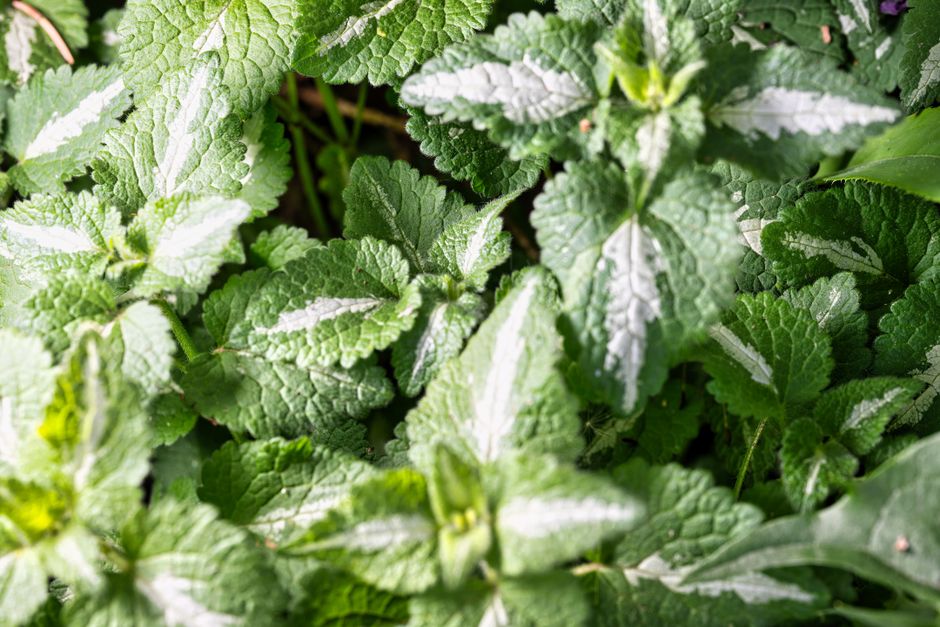
You’ve probably seen lemon balm in the tea aisle or in calming supplements, but you might be surprised to learn it has a role in weight management too.
Lemon balm is an herb from the mint family that has been used for centuries to reduce stress and improve sleep. For weight loss, what is lemon balm for comes down to its ability to lower cortisol, the stress hormone that can trigger belly fat storage and cravings. While it is not a fat burner, some research suggests lemon balm may help with weight loss by addressing the stress and sleep issues that often sabotage your efforts.
Most weight loss advice focuses on calories and exercise, which is important. But if stress is driving you to eat more or sleep poorly, the math gets harder. This article breaks down what the evidence actually says about lemon balm, how it might fit into your routine, and why it works differently than typical diet supplements.
We will also look at the practical side — how to use it, what dose makes sense, and where the science is still thin. That way you can decide for yourself if adding this herb to your routine is worth trying.
Key Points at a Glance
| Point | What It Means | Why It Matters |
|---|---|---|
| Stress reduction | Lemon balm may lower cortisol levels | Lower stress can reduce stress-eating and belly fat storage |
| Sleep support | May improve sleep quality | Better sleep helps regulate hunger hormones |
| Not a fat burner | No direct metabolism-boosting effect | It works indirectly through stress and sleep pathways |
| Calorie-free | Can replace sugary drinks | Swapping sweet beverages for lemon balm tea cuts calories |
How Does Lemon Balm Affect Stress and Weight?
Lemon balm contains compounds that interact with GABA receptors in the brain. GABA is a neurotransmitter that calms the nervous system, which is why lemon balm has a reputation for easing anxiety. A 2004 randomized controlled trial published in Psychosomatic Medicine found that a lemon balm extract reduced stress symptoms in laboratory conditions.
When stress drops, so does cortisol. High cortisol is linked to increased appetite, especially for high-calorie foods, and more fat stored around the midsection. By keeping cortisol in check, lemon balm may help you stick to your eating plan without feeling deprived.
Try this: I keep a small tin of dried lemon balm in my kitchen. Steeping a cup in the late afternoon — when stress tends to peak — helps me avoid the 4 p.m. snack binge.
Can Lemon Balm Improve Sleep Quality?
Sleep is one of the most underrated pieces of the weight loss puzzle. Poor sleep raises ghrelin, the hormone that makes you hungry, and lowers leptin, the hormone that tells you you’re full. Lemon balm has been studied for its calming effects, often paired with valerian root, to improve sleep quality.
Some studies indicate that lemon balm can increase sleep duration and reduce nighttime awakenings. But the evidence is modest. It works best for people whose sleep problems come from anxiety or a racing mind, not for those with medical sleep disorders like sleep apnea.
What Is Lemon Balm for Weight Loss — The Real Answer
Lemon balm is not a direct weight loss supplement. No study has shown that taking lemon balm alone causes significant weight loss. What the research does suggest is that it can be a useful tool for managing the emotional and physiological factors that lead to overeating.
If stress eating is your main struggle, lemon balm might genuinely help. If you already sleep well and handle stress fine, it probably won’t move the scale much. The herb works best as part of a broader strategy that includes a calorie deficit and regular activity.
How to Use Lemon Balm Safely
Lemon balm is widely available as dried leaves for tea, liquid extracts, and capsules. For tea, steeping 1 to 2 teaspoons of dried leaves in hot water for 10 minutes is a common approach. Capsules typically range from 300 to 600 milligrams, but there is no established clinical guideline for weight loss specifically.
The herb is generally recognized as safe for short-term use, but it can interact with thyroid medications and sedatives. If you take prescription medication or have a medical condition, check with your doctor before adding lemon balm to your routine. Pregnant and breastfeeding women should avoid concentrated extracts due to limited safety data.
What the Research Actually Shows
The evidence on lemon balm and weight loss is indirect. Most studies focus on its effects on stress, anxiety, and sleep — all of which influence weight indirectly. A 2013 review in Nutrition Reviews noted that stress reduction techniques can support weight management, but it did not specifically endorse lemon balm.
Some human studies have looked at lemon balm for metabolic health. One small study suggested it might improve lipid profiles, but the sample size was tiny and the results have not been replicated. At this point, the honest answer is that the evidence for lemon balm as a weight loss aid is limited.
Should You Add Lemon Balm to Your Routine?
If you are looking for a natural way to manage stress and improve sleep while working on weight loss, lemon balm is a reasonable option. It is affordable, low-risk for most people, and makes a pleasant evening tea. Just don’t expect it to do the heavy lifting.
Track your calories with a tool like the TDEE Calculator to know your actual maintenance needs. Then use lemon balm as a support tool, not a solution. The scale will move when your overall routine is consistent, not because of any single herb.
Related Articles
Frequently Asked Questions
Does lemon balm actually help with weight loss?
No direct evidence shows lemon balm causes weight loss on its own. It may help indirectly by reducing stress and improving sleep, which can support healthier eating habits.
How much lemon balm should I take daily?
No established clinical guideline exists for lemon balm specifically for weight loss. Common tea doses use 1 to 2 teaspoons of dried leaves, while capsules range from 300 to 600 milligrams.
Can I drink lemon balm tea every day?
Yes, drinking lemon balm tea daily is generally safe for most people. If you take thyroid medication or sedatives, talk to your doctor first.
Is lemon balm safe for everyone?
Lemon balm is safe for most adults when used short-term. Pregnant and breastfeeding women should avoid concentrated extracts due to limited safety research.
How long does lemon balm take to work?
Calming effects often appear within 30 to 60 minutes of taking it. For sleep and stress benefits, consistent daily use for one to two weeks is more realistic.
What is lemon balm for weight loss compared to other herbs?
Unlike stimulant herbs like green tea or caffeine, lemon balm does not boost metabolism. It works on the stress and sleep side of weight management instead.

The TDEECAL Team writes about nutrition, metabolism, and fat loss the way we built our calculator, with real numbers and no hype. We dig into the research so you don’t have to guess.