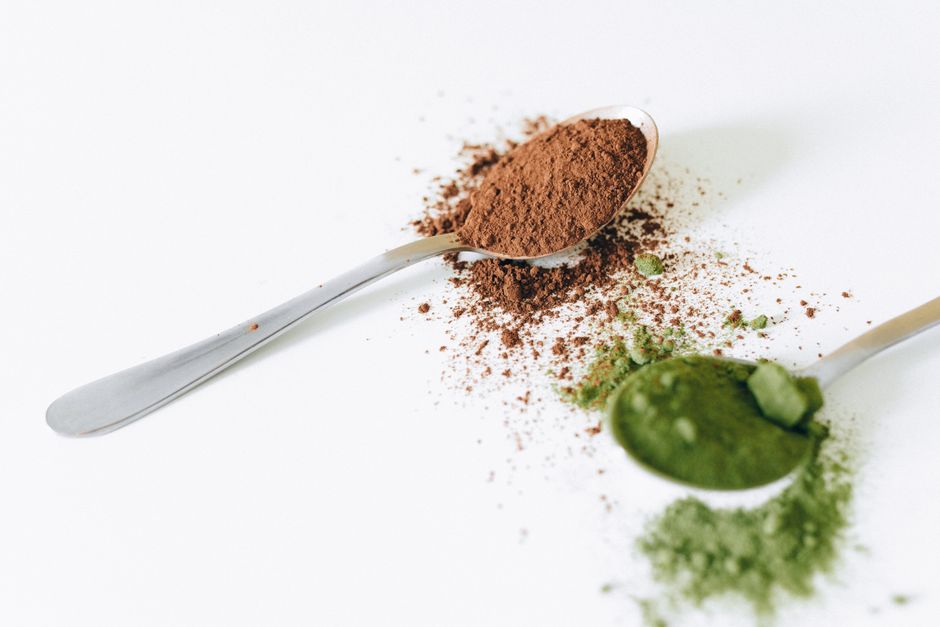
You open your pantry and see protein powder, green powder, maybe some collagen or MCT oil powder. It is overwhelming. Which ones actually help with weight loss, and which are just expensive hype?
The honest answer is that what powders are good for weight loss comes down to three main categories: protein powders to control hunger and preserve muscle, fiber powders to improve fullness, and greens powders to fill nutrient gaps when you are eating fewer calories. No powder burns fat directly. But the right ones make it significantly easier to stick with a calorie deficit. The wrong ones add empty calories and cost.
Most articles list every powder on the market and tell you they are all great. That is not helpful. This article cuts through that noise. You will learn which powders have real evidence behind them, which ones are worth your money, and how to use them without sabotaging your progress.
I have been writing about nutrition for years and have tested most of these powders myself. Some surprised me. Some disappointed me. I will tell you which is which.
Key Points at a Glance
| Powder Type | What It Does | Why It Matters for Weight Loss |
|---|---|---|
| Whey or plant protein powder | Increases protein intake without many calories | Keeps you full longer and preserves muscle during weight loss |
| Psyllium husk fiber powder | Provides soluble fiber with almost no calories | Improves satiety and digestive regularity on a lower calorie diet |
| Greens powder | Concentrated vegetable nutrients in a scoop | Fills micronutrient gaps when you eat less food |
| Collagen powder | Protein from animal connective tissue | Modest satiety benefit but incomplete protein; not a meal replacement |
| MCT oil powder | Processed fat from coconut oil | Minimal evidence for weight loss; high calorie density per serving |
What Powders are Good for Weight Loss and Actually Work
Protein powder is the most evidence-backed option. A 2020 review in the Journal of the International Society of Sports Nutrition found that higher protein intake helps preserve lean mass during calorie restriction. That matters because losing muscle slows your metabolism. Whey protein is the most studied, but pea or soy protein works well for those who avoid dairy. Aim for a powder with at least 20 grams of protein per serving and under 150 calories. I personally use unflavored pea protein in soups because it blends without adding sweetness.
Fiber powders like psyllium husk are the second most useful. A 2015 study in Nutrition Reviews showed that soluble fiber increases feelings of fullness and reduces overall calorie intake. Psyllium has nearly zero calories and mixes into water or yogurt. Start with a half teaspoon and increase slowly to avoid bloating. I learned that lesson the hard way.
How Much Protein Do You Need to Lose Weight?
Most women need between 0.7 and 1.0 grams of protein per pound of body weight when actively losing weight. For a 160-pound woman, that is 112 to 160 grams per day. That is hard to get from food alone. A protein powder serving provides 20 to 25 grams easily. That is why it is one of the most practical tools for weight loss.
Timing matters less than total intake. Spreading protein across three to four meals helps with satiety, but the most important thing is hitting your daily target. If you skip breakfast, adding protein powder to coffee or a smoothie can help you reach that goal without cooking. I add a scoop to my morning oatmeal and it keeps me full until lunch.
Are Greens Powders Worth It for Weight Loss?
Greens powders do not directly cause weight loss. They provide vitamins and minerals that are harder to get when you eat fewer calories. A 2019 review in Nutrients found that greens powders improve nutrient intake but have no direct effect on body weight. That does not mean they are useless. If you are eating 1,400 calories a day, getting enough magnesium, zinc, and vitamin C is genuinely hard. Greens powder helps fill those gaps.
Look for a powder with minimal added sugar. Many popular brands add fruit juice concentrate that pushes the sugar content to 5 or 6 grams per scoop. That is not a disaster, but it is unnecessary. I prefer powders that list vegetables as the first three ingredients and have under 2 grams of sugar. A single scoop in water tastes grassy, but it is effective.
What to Avoid in Powders for Weight Loss
MCT oil powder is popular in keto circles, but the evidence for weight loss is weak. A 2020 meta-analysis in Obesity Reviews found that MCT oil produces only a modest increase in calorie burning, and the effect disappears after a few weeks. Each serving has about 100 calories from fat. Those calories add up fast. If you are trying to lose weight, MCT powder is not worth the cost or the calories.
Collagen powder is another common option that gets overhyped. It is an incomplete protein, meaning it lacks all essential amino acids. It does not support muscle preservation as well as whey or pea protein. A 2019 study in the Journal of the Academy of Nutrition and Dietetics found that collagen has a lower satiety effect than other protein sources. Use collagen only if you specifically want skin or joint benefits, not for weight loss.
Related Articles
Frequently Asked Questions
Is protein powder enough to replace a meal for weight loss?
No. Protein powder lacks fiber, healthy fats, and most micronutrients found in whole food meals. Use it as a supplement, not a replacement.
Can I use greens powder instead of eating vegetables?
No. Greens powder lacks the fiber and phytonutrients found in whole vegetables. Use it to fill gaps, not replace produce.
How much weight can I lose with protein powder alone?
Zero. No powder causes weight loss by itself. Weight loss comes from a calorie deficit, and powder simply helps you maintain that deficit.
Are plant-based protein powders as effective as whey for weight loss?
Yes, when total protein intake is matched. Pea and soy protein support fullness and muscle preservation similarly to whey in most studies.
What is the best time of day to take protein powder for weight loss?
There is no single best time. The most important factor is total daily protein intake. Take it when it helps you meet your target.
Do fiber powders cause bloating?
They can if you increase the dose too quickly. Start with a half teaspoon daily and increase by half teaspoon every few days.
To track your specific calorie and protein needs for weight loss, use the TDEE Calculator to get your personalized numbers. That takes the guesswork out of how much powder you actually need.

The TDEECAL Team writes about nutrition, metabolism, and fat loss the way we built our calculator, with real numbers and no hype. We dig into the research so you don’t have to guess.