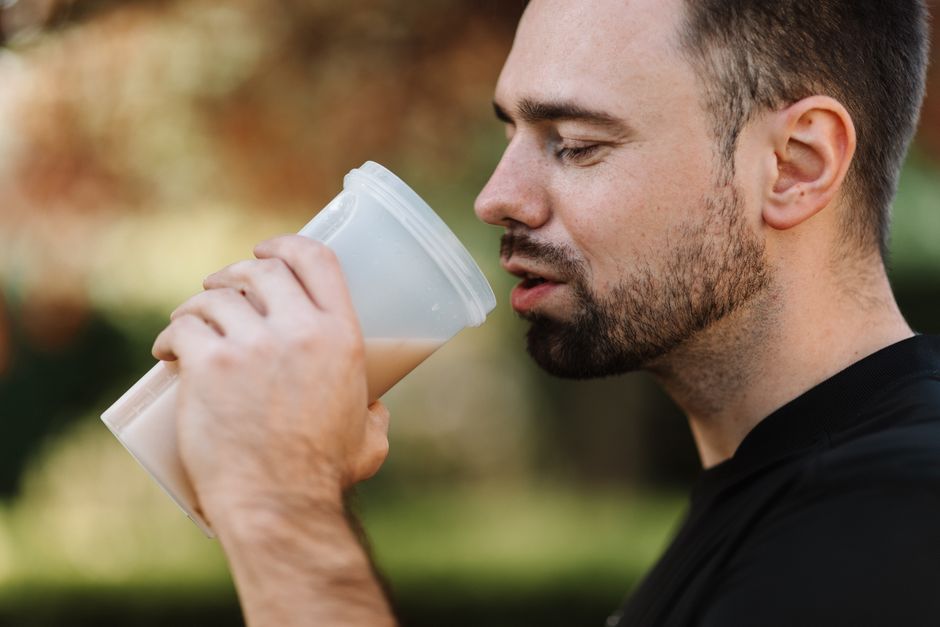
What Protein Shake is Good for Weight Loss: The Satiety-First Answer
Most protein shakes leave you hungry an hour later. That is the real problem. A shake that fills you up and tastes genuinely good is the one worth making.
The best answer to what protein shake is good for weight loss is one made with a quality whey or plant-based protein powder, unsweetened milk, and a source of healthy fat and fiber like peanut butter and chia seeds. This combination delivers around 30 grams of protein and 8 grams of fiber per serving, which research consistently shows helps control appetite and supports a calorie deficit.
This shake is built for busy mornings. It takes five minutes to make, requires no cooking, and keeps you satisfied until lunch. The specific ratio of protein to fiber is what makes it different from the watery, fruit-only smoothies that spike your blood sugar and leave you craving snacks by 10 a.m.
I have tested many versions of this shake over the years. The one that wins every time uses a frozen banana for creaminess and a pinch of salt to bring out the peanut butter flavor. It sounds small, but that pinch makes a noticeable difference.
Is What Protein Shake is Good for Weight Loss Actually Effective for a Calorie Deficit?
Yes, when the shake is built correctly. The key is not just protein — it is the combination of protein, fiber, and fat. Protein takes more energy to digest than carbohydrates, and fiber adds bulk without extra calories. Together, they slow digestion and keep hunger hormones in check.
Studies have found that meals with 25 to 30 grams of protein per serving reduce hunger more effectively than lower-protein options. Adding fiber from chia seeds or ground flaxseed pushes that effect further. The fat in peanut butter or almond butter provides satiety that a plain whey shake simply cannot match.
One honest limitation: a shake is not a meal replacement unless you make it one. If you use water and a scoop of protein powder alone, you will be hungry soon after. This recipe avoids that problem by including real food ingredients alongside the powder.
A cook’s note here — use a ripe frozen banana, not a fresh one. The frozen version creates a thick, milkshake-like texture that makes the shake feel more substantial. It also keeps the drink cold without needing ice that waters it down.
Peanut Butter Banana Protein Shake
Ingredients
- 1 scoop vanilla or chocolate protein powder (whey or plant-based, about 25-30g protein)
- 1 medium frozen banana, peeled and sliced
- 1 tablespoon natural peanut butter (no added sugar)
- 1 tablespoon chia seeds
- 1 cup unsweetened almond milk or low-fat milk
- 1/4 teaspoon ground cinnamon
- Pinch of salt
- 4-5 ice cubes (optional, for extra thickness)
How to Make the Best Protein Shake for Weight Loss Step by Step
- Add the almond milk to the blender first. This helps the blades spin freely and prevents powder from sticking to the bottom.
- Scoop in the protein powder, then add the frozen banana slices, peanut butter, chia seeds, cinnamon, and salt.
- Blend on high for 45 to 60 seconds, until completely smooth. Stop and scrape down the sides once if needed.
- Check the consistency. If it is too thick, add 2 to 3 tablespoons more milk and blend for 10 seconds. If it is too thin, add 3 to 4 ice cubes and blend again.
- Pour into a tall glass and drink immediately. The shake is best fresh, while the chia seeds are still suspended rather than settled at the bottom.
Nutrition Facts
Per serving (entire shake, about 14 ounces)
Nutrition estimates based on USDA FoodData Central data. Values may vary by brand or ingredient substitution. Using a plant-based protein powder may change the protein and calorie counts slightly.
Substitutions and Variations
| Original | Swap | Why It Works |
|---|---|---|
| Whey protein powder | Pea or soy protein powder | Plant-based options are dairy-free and provide comparable protein per scoop. Choose one with at least 20g protein per serving. |
| Peanut butter (1 tbsp) | Powdered peanut butter (2 tbsp) | Cuts about 60 calories while keeping the peanut flavor. The shake becomes slightly less creamy, so add an extra 2 tablespoons of milk. |
| Frozen banana | 1/2 cup frozen cauliflower rice | A lower-sugar swap that adds creaminess without the banana taste. You will not notice it, but you will save about 50 calories. |
| Vanilla protein powder | Chocolate protein powder + 1 tsp cocoa powder | Turns this into a chocolate-peanut butter shake. The cocoa adds antioxidants and a richer flavor profile. |
Storage and Make-Ahead Tips
- Store the shake in an airtight container in the fridge for up to 24 hours. Shake well before drinking, as the chia seeds will settle.
- Do not freeze the prepared shake. The texture becomes grainy and separates upon thawing.
- Prep the dry ingredients the night before. Combine the protein powder, chia seeds, cinnamon, and salt in a small jar. In the morning, just add liquid and banana.
- Freeze banana slices in a single layer on a baking sheet, then transfer to a zip-top bag. They will keep for up to 3 months and are ready to grab.
- Double the recipe and split it into two glasses if you want a larger portion. The nutrition facts double too, so plan accordingly for your calorie target.
How Many Calories Should You Aim For in a Weight Loss Shake?
Most women in a calorie deficit do well with a shake between 300 and 400 calories. That range provides enough protein and fat to keep you full without blowing your daily budget. This recipe lands at 380 calories, which fits comfortably.
If you are tracking calories, use a tool like the TDEE Calculator to find your maintenance number first. Subtract 300 to 500 calories from that to get a safe deficit target. A shake alone cannot determine your weight loss — your total daily intake matters more.
No established clinical guideline exists for exactly how many calories a weight loss shake should contain. The 300 to 400 calorie range is a practical recommendation based on how meal replacements are typically structured in research studies.
Related Articles
Frequently Asked Questions
What protein shake is good for weight loss without making you hungry?
A shake with at least 25 grams of protein, 8 grams of fiber, and a source of healthy fat keeps you full longest. This recipe hits all three with protein powder, chia seeds, and peanut butter.
Is a protein shake enough for breakfast when trying to lose weight?
Yes, when the shake includes fiber and fat, not just protein. A 380-calorie shake with 32 grams of protein can replace a standard breakfast for most women in a calorie deficit.
How many calories should a weight loss protein shake have?
Between 300 and 400 calories is a practical range for most women. Shakes under 250 calories often lack the satiety needed to prevent mid-morning snacking.
Can I drink this protein shake every day for weight loss?
Yes, daily consumption is fine as long as it fits within your total calorie target. Variety in your diet still matters, so rotate in other high-protein meals a few times per week.
Is whey or plant-based protein better for weight loss?
Both work equally well for weight loss when total calories are controlled. Choose the one you digest comfortably and will actually drink consistently.
Does the type of milk in a protein shake matter for weight loss?
Unsweetened almond milk saves about 60 calories per cup compared to whole milk. Low-fat dairy milk adds more protein but also more calories, so pick based on your daily budget.

The TDEECAL Team writes about nutrition, metabolism, and fat loss the way we built our calculator, with real numbers and no hype. We dig into the research so you don’t have to guess.