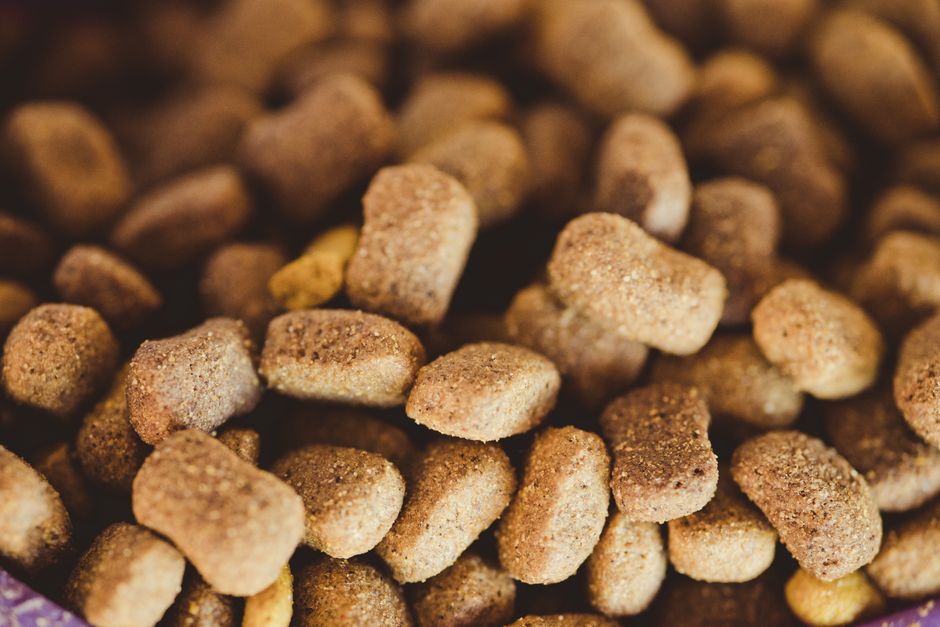
Most senior dogs gain weight because their metabolism slows while their food stays the same. What’s the best senior dog food for weight loss is one that is lower in calories and fat, higher in quality protein to preserve muscle, and contains controlled carbohydrates to prevent blood sugar spikes. The right food supports a healthy body condition without leaving your dog hungry. This article covers the specific nutrients to look for, what to avoid, and how to transition safely — information that generic pet food labels often leave out.
Many owners assume “senior formula” means it’s automatically low-calorie. That is not always true. Some senior foods are designed for active older dogs and still pack too many calories for weight loss. You need to read the guaranteed analysis and ingredient list closely. This guide gives you the tools to do that with confidence.
Key Points at a Glance
| Point | What It Means | Why It Matters |
|---|---|---|
| Calorie density | Look for foods under 350 kcal per cup | Prevents overfeeding while keeping portion sizes reasonable |
| Protein percentage | Minimum 25% dry matter protein | Preserves muscle mass during weight loss |
| Fiber content | 5-8% crude fiber | Helps your dog feel full without extra calories |
| Avoid fillers | No corn, wheat, or soy as first ingredients | Empty calories slow down weight loss progress |
| Joint support | Look for glucosamine and omega-3s | Supports mobility while your dog carries extra weight |
What Makes a Senior Dog Food Good for Weight Loss?
The first thing to check is calorie density. Most weight management senior foods fall between 300 and 350 calories per cup. Anything higher than that makes it very hard to create a calorie deficit without starving your dog. I always check the back of the bag before buying — some “light” formulas are surprisingly close to regular adult food.
Protein is just as important. Senior dogs lose muscle faster than younger dogs. If you cut calories too much without enough protein, your dog loses muscle instead of fat. Look for a minimum of 25% protein on a dry matter basis. That means the protein percentage after you remove moisture, which you can calculate by dividing the listed protein by (100 minus moisture percentage).
How Many Calories Should a Senior Dog Eat for Weight Loss?
Most senior dogs need about 20-30% fewer calories than the bag recommends. The feeding guidelines on pet food bags are often too generous, especially for less active dogs. A good starting point is 20 calories per pound of your dog’s ideal body weight. For example, a dog that should weigh 50 pounds would start at about 1,000 calories per day.
You need to adjust based on results. Weigh your dog every two weeks. If they are not losing about 1-2% of their body weight per week, reduce calories by 10%. If they are losing too fast, add a small amount back. This is often claimed to be simple, but the evidence shows that individual dogs vary a lot in their metabolic response to the same food.
Practical tip: Use a kitchen scale to measure food by grams, not cups. A cup of kibble can vary by 20-30 calories depending on how you scoop. This small change makes a real difference over a month.
What Ingredients Should You Avoid in Senior Weight Loss Food?
Stay away from foods that list corn, wheat, or soy as the first or second ingredient. These are cheap fillers that add calories without much nutritional value. They also spike blood sugar, which can make your dog hungrier sooner. Better choices include whole meat sources like chicken, turkey, or fish as the first ingredient.
Watch out for added sugars or artificial flavors. Some brands add sugar to make low-quality food more palatable. This is often claimed to improve taste, but strong clinical evidence shows it contributes to weight gain and dental problems. If you see “cane molasses,” “corn syrup,” or “sugar” on the label, put the bag back.
Is Wet Food or Dry Food Better for Senior Dog Weight Loss?
Wet food often works better for weight loss because it has more water and fewer calories per volume. A typical wet food has about 70-80% moisture, so your dog gets a larger portion for fewer calories. This helps with satiety. Many senior dogs also have dental issues, and wet food is easier to chew.
Dry food is fine if your dog drinks enough water and you measure portions carefully. The downside is that dry food is calorie-dense and easy to overfeed. If you stick with dry food, choose a weight management formula and use a scale every time. I have seen owners accidentally double their dog’s calories just by using a different scoop size.
How to Transition Your Senior Dog to a New Weight Loss Food
Switching food too fast can cause digestive upset. Mix the new food with the old food over 7-10 days. Start with 25% new food and 75% old food for three days. Then go to 50-50 for three days. Then 75% new and 25% old for the last few days. This gives your dog’s gut time to adjust.
Monitor your dog’s stool during the transition. Loose stool or gas means you are going too fast. Slow down and stay at the same ratio for a few more days before moving forward. Most dogs adjust well within two weeks, but some sensitive dogs need a full month. Be patient — rushing this can set back your weight loss plan.
Common Mistakes When Choosing Senior Dog Food for Weight Loss
One big mistake is assuming all “senior” formulas are low-calorie. I have seen senior foods with 400+ calories per cup. Always check the actual calorie count on the bag or the brand’s website. If it is not listed, contact the company directly. They are required to provide this information.
Another mistake is ignoring treats. Even a small treat can add 50-100 calories. If you give multiple treats per day, that can undo the calorie deficit from the food. Use low-calorie options like green beans, carrots, or a few pieces of kibble from the daily portion. Keep treats to no more than 10% of total daily calories.
Related Articles
Frequently Asked Questions
Can I just feed less of my dog’s current senior food for weight loss?
You can, but it risks nutrient deficiencies. Senior foods are formulated for specific calorie levels, and cutting portions too much means your dog gets less protein, vitamins, and minerals.
How fast should my senior dog lose weight on the best food?
A safe rate is 1-2% of body weight per week. Faster loss can cause muscle wasting and health problems in older dogs.
Do grain-free senior foods help with weight loss?
Not necessarily. Grain-free does not mean low-calorie. Some grain-free foods are actually higher in fat and calories, so check the label carefully.
Should I add supplements to my senior dog’s weight loss food?
A joint supplement with glucosamine and omega-3s can help, but only if your vet approves. Most complete senior foods already contain these.
What if my senior dog is still hungry after eating the weight loss food?
Add low-calorie bulk like steamed green beans or pumpkin puree. This adds volume without many calories and helps with satiety.
Is the best senior dog food for weight loss different for small breeds?
Small breeds may need smaller kibble size and slightly higher protein. The calorie density and nutrient ratios are similar, but portion sizes are much smaller.
Choosing the right food is the first step, but consistency matters more. Weigh your dog regularly, measure food by grams, and limit treats. Your veterinarian can help you set a target weight and monitor progress. For more tools to track your dog’s calorie needs, use our TDEE Calculator to get a personalized estimate based on activity level and body condition.

The TDEECAL Team writes about nutrition, metabolism, and fat loss the way we built our calculator, with real numbers and no hype. We dig into the research so you don’t have to guess.