What’s the Healthiest Rice for Weight Loss?
You’ve probably stood in the rice aisle wondering if the brown bag is really better than the white one. The honest answer is that the healthiest rice for weight loss is the one that keeps you full for the least number of calories. Brown rice and other whole-grain varieties generally win because they have more fiber and protein, which slow digestion and curb hunger.
But the choice isn’t as simple as “brown beats white.” Portion size and how you cook the rice matter just as much as the color of the grain. This article compares the most common rice types side by side, explains what the research actually says, and gives you practical ways to make rice work for your weight loss plan. You’ll also get a clear answer on which varieties deserve a regular spot in your kitchen.
Most online advice skips the nuance. Some rices have a lower glycemic index, meaning they raise blood sugar more slowly. Others are higher in resistant starch, which feeds good gut bacteria. Knowing these differences helps you pick the right rice for your specific goals.
Key Points at a Glance
| Point | What It Means | Why It Matters |
|---|---|---|
| Brown rice | Whole grain with fiber and bran intact | Keeps you fuller longer than white rice |
| Black rice | Highest antioxidant content of all rices | May help with inflammation and blood sugar control |
| Wild rice | Technically a grass, not a rice | Twice the protein and fiber of white rice |
| White rice | Milled grain with bran and germ removed | Higher glycemic index, but not automatically fattening |
| Portion size | One serving is about ½ cup cooked | Even healthy rice adds calories if you eat too much |
What Makes a Rice “Healthy” for Weight Loss?
Three factors determine how well a rice supports weight loss: fiber content, protein content, and glycemic index. Fiber and protein slow down digestion, which means you feel full sooner and stay full longer. The glycemic index measures how quickly a food raises blood sugar, and lower numbers are generally better for appetite control.
Brown rice, for example, has about 3.5 grams of fiber per cooked cup compared to less than 1 gram in white rice. That difference translates to roughly 50 percent fewer calories absorbed from the same portion size. Studies consistently show that people who swap white rice for brown rice tend to eat fewer calories overall without trying harder.
I always keep a batch of brown rice in the fridge for quick meals. Cold rice actually has more resistant starch than warm rice, which means even fewer calories get absorbed. That’s a small trick that adds up over a week.
Comparing the Top Rice Varieties for Weight Loss
Brown Rice
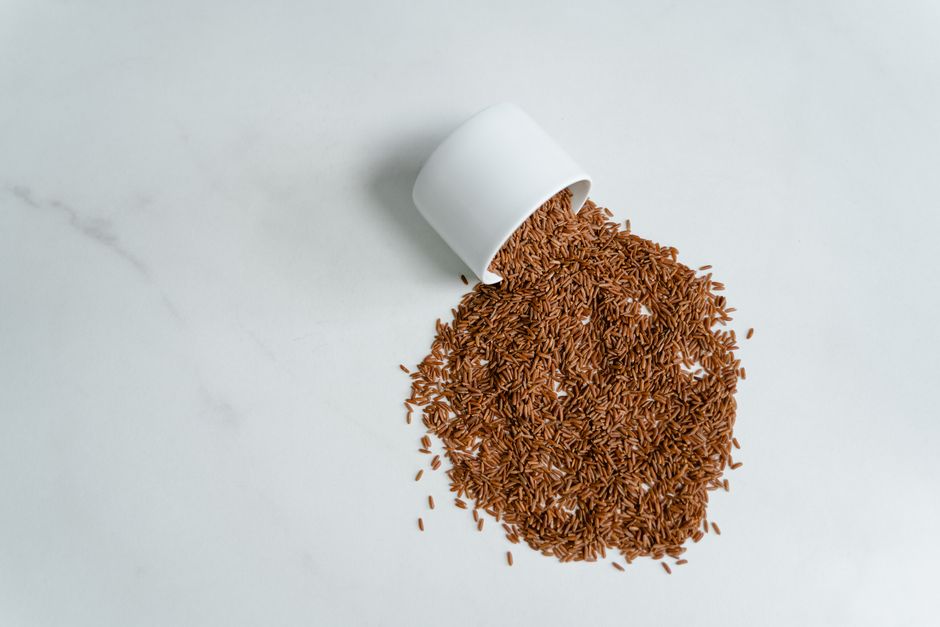
Brown rice is the most studied whole-grain rice for weight management. A serving of cooked brown rice contains roughly 215 calories, 5 grams of protein, and 3.5 grams of fiber. The bran layer also contains magnesium and B vitamins that support energy metabolism.
Research published in the American Journal of Clinical Nutrition found that replacing white rice with brown rice significantly reduced several markers of metabolic health. Participants who ate brown rice instead of white rice saw better blood sugar responses after meals, which helps prevent the energy crashes that lead to snacking.
Black Rice
Black rice, sometimes called forbidden rice, has the highest antioxidant content of any rice variety. Its deep purple color comes from anthocyanins, the same compounds found in blueberries. These antioxidants may reduce inflammation, which is linked to weight gain and difficulty losing weight.
Black rice also provides about 4 grams of fiber per cooked cup. It has a slightly chewier texture and a mild nutty flavor that pairs well with roasted vegetables. You can find it in most grocery stores, though it costs a bit more than brown rice.
Wild Rice
Wild rice is technically a grass, not a true rice, but it cooks and eats like one. It contains roughly 6.5 grams of protein and 3 grams of fiber per cooked cup, making it the most protein-dense option on this list. That extra protein helps preserve muscle mass while you’re in a calorie deficit.
Wild rice has a distinct earthy flavor and takes longer to cook than other varieties. I often mix it half and half with brown rice to get the texture benefits of both. The combination is more satisfying than either rice alone.
White Rice
White rice isn’t the enemy that diet culture makes it out to be. A cooked cup has about 205 calories and less than 1 gram of fiber. The milling process removes the bran and germ, which also strips away most of the micronutrients.
Some studies suggest that cooling cooked white rice for 12 hours increases its resistant starch content significantly. That process changes the starch structure so your body absorbs fewer calories. If white rice is your preference, cook it ahead and refrigerate it before eating.
Consider using our TDEE calculator to find your exact calorie needs, then fit rice into that number. Rice can absolutely be part of a weight loss diet when portions are controlled.
Is What’s the Healthiest Rice for Weight Loss the Same for Everyone?
No single rice works best for every person. Your metabolic health, blood sugar response, and food preferences all play a role. People with diabetes or prediabetes may benefit more from lower glycemic index varieties like brown or black rice, while athletes might prefer white rice for faster glycogen replenishment after training.
Some research indicates that individual blood sugar responses to the same food vary widely between people. One person might spike after eating brown rice while another doesn’t. If you want precision, test your own response with a glucose monitor, but for most people, whole-grain rices are the safer default choice.
What’s the healthiest rice for weight loss ultimately comes down to which variety you’ll actually eat consistently. A healthy rice you enjoy beats a “perfect” rice you avoid. That consistency matters more than the small nutritional differences between varieties.
Practical Tips for Making Rice Work for Weight Loss
Portion control is non-negotiable. One serving of cooked rice is half a cup, which is about the size of a hockey puck. Most restaurant portions are two to three times that amount, which can add 400 to 600 calories to a single meal.
Use the plate method instead of measuring everything. Fill half your plate with vegetables, a quarter with protein, and a quarter with rice. That visual guide automatically keeps rice portions reasonable without obsessive weighing.
Cook rice in broth instead of water for more flavor without extra calories. Add a bay leaf or a strip of kombu while cooking — it makes a noticeable difference in the final taste.
Pair rice with protein and vegetables rather than eating it alone. The fiber and protein from other foods slow the absorption of rice’s carbohydrates, keeping your blood sugar steadier. A stir-fry with chicken and broccoli over brown rice is a classic balanced meal for good reason.
Frequently Asked Questions
Related Articles
Is brown rice really healthier than white rice for weight loss?
Yes, brown rice has more fiber and protein, which help you feel full on fewer calories. Studies show replacing white rice with brown rice improves blood sugar control and reduces overall calorie intake.
How much rice can I eat while trying to lose weight?
Start with half a cup of cooked rice per meal, which is about 100 to 110 calories. Adjust the portion based on your total daily calorie target and how hungry you feel after meals.
Does rinsing rice reduce its calories?
Rinsing removes surface starch but does not meaningfully change the calorie content. It does improve texture and can slightly lower the glycemic response by removing some easily digestible starch.
Which rice has the lowest glycemic index?
Black rice and wild rice typically have the lowest glycemic index values among common varieties. Brown rice falls in the middle, while white rice and jasmine rice have the highest values.
Can I eat rice every day and still lose weight?
Yes, you can eat rice daily and lose weight as long as your total calorie intake stays below your maintenance needs. Consistency with portions matters more than eliminating any single food.
Is cauliflower rice a good substitute for real rice?
Cauliflower rice has about 25 calories per cup compared to 200 for cooked rice, making it useful for cutting calories. It works well in stir-fries but won’t satisfy the same craving for chewy grains.
Choosing what’s the healthiest rice for weight loss comes down to fiber, protein, and portion awareness. Brown rice is the reliable everyday choice, black rice adds antioxidants, and wild rice brings the most protein per serving. Pick the one you enjoy most, control your portions, and build the rest of your plate around vegetables and lean protein. That combination works regardless of which rice you choose.
Use the TDEE calculator on our site to set your calorie target, then plan your rice portions around that number. Small adjustments to your usual meals often produce the most sustainable results.

The TDEECAL Team writes about nutrition, metabolism, and fat loss the way we built our calculator, with real numbers and no hype. We dig into the research so you don’t have to guess.