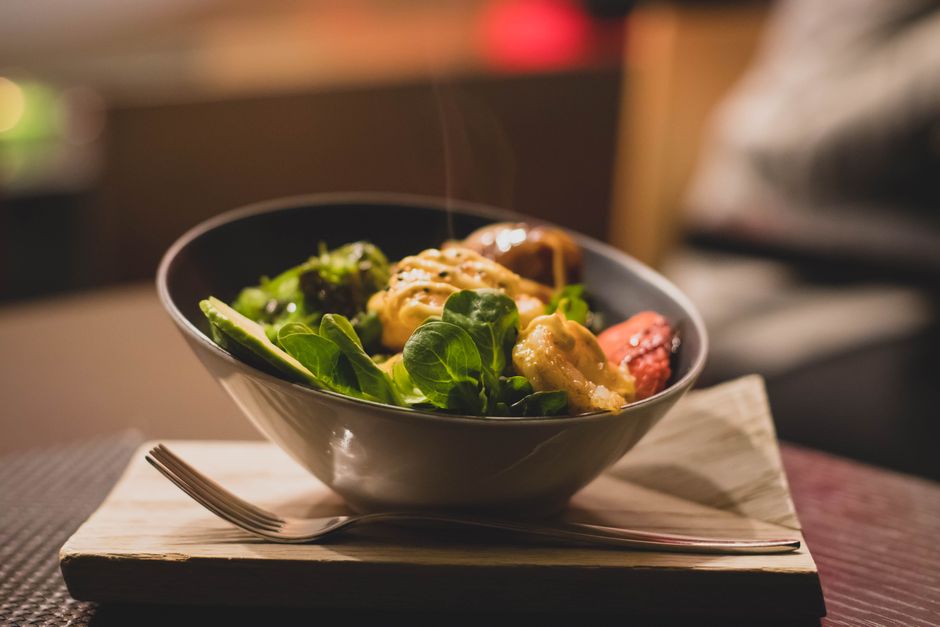
Most salads at restaurants are calorie traps dressed up as health food. A single “healthy” salad can pack more calories than a cheeseburger when loaded with candied nuts, fried toppings, and a half-cup of creamy dressing.
The best what salad to eat for weight loss answer is simple: a salad built around lean protein, non-starchy vegetables, and a modest amount of healthy fat. This combination keeps you full for hours without the calorie load that derails most weight loss efforts.
Most articles tell you to “eat more salad” without explaining the actual structure that works. This guide breaks down exactly which ingredients matter, which ones quietly add hundreds of calories, and how to build a salad that genuinely supports weight loss.
Key Points at a Glance
| Point | What It Means | Why It Matters |
|---|---|---|
| Protein first | Add 4–6 ounces of chicken, fish, eggs, or beans | Protein keeps you full and preserves muscle while losing fat |
| Watch the dressing | Two tablespoons of vinaigrette, not creamy dressings | Dressing alone can add 300+ calories to an otherwise light salad |
| Skip the toppings | Candied nuts, fried wontons, tortilla strips, dried fruit | These add sugar and refined carbs without meaningful fullness |
| Volume matters | Use 2–3 cups of leafy greens and raw vegetables | High volume with low calories helps you feel satisfied |
| Add healthy fat | Avocado, olive oil, seeds, or olives in small amounts | Fat helps absorb vitamins and slows digestion |
What Salad to Eat for Weight Loss: The Core Structure
Research consistently shows that eating vegetables before or with a meal reduces total calorie intake. A 2015 study in the journal Nutrients found that starting a meal with a low-calorie salad reduced overall meal consumption by about 11 percent.
The winning formula is a 3-to-1 ratio of vegetables to everything else. That means three cups of greens and crunchy vegetables for every cup of protein, grains, cheese, and dressing combined.
Practical tip: I always measure dressing at home with a teaspoon rather than pouring straight from the bottle. That single habit saves most people 200–300 calories per meal without changing how the salad tastes.
Which Proteins Work Best in a Weight Loss Salad?
Grilled chicken breast, hard-boiled eggs, canned tuna, salmon, shrimp, and chickpeas are all strong choices. Each provides 20–30 grams of protein per serving, which research in the American Journal of Clinical Nutrition links to better appetite control and greater fullness after meals.
Bacon bits, fried chicken, and heavy cheese-based proteins add saturated fat and calories without proportional fullness. If you want cheese, keep it to one ounce of feta, goat cheese, or Parmesan — roughly the size of two dice.
I keep a batch of hard-boiled eggs in the fridge every week. They turn a sad lunch salad into a satisfying meal in under three minutes.
How Many Calories Should a Weight Loss Salad Have?
A weight loss salad should land between 350 and 500 calories for a main meal. This range supports steady weight loss for most women when paired with an overall calorie deficit tailored to your body.
To find your personal calorie target, use a TDEE calculator to estimate your maintenance calories, then subtract 300–500 calories for weight loss. Your salad should fit within that daily budget.
Salads under 250 calories often leave you hungry within two hours, which usually leads to snacking later. Salads over 600 calories can easily push you past your daily target without you noticing.
Practical tip: When eating out, ask for dressing on the side. Restaurants typically use two to four times the dressing you would use at home.
Which Vegetables and Toppings Actually Help?
Dark leafy greens — spinach, romaine, arugula, and kale — form the best base because they provide fiber and volume for very few calories. Add cucumber, bell peppers, tomatoes, shredded carrots, broccoli, or radishes for extra crunch and nutrients.
Beans and lentils are the smartest “topping” because they add both protein and fiber. A half-cup of chickpeas adds roughly 135 calories and 7 grams of protein, making your salad more filling than one with croutons or tortilla strips.
Some studies suggest that vinegar-based dressings may slightly improve blood sugar response after meals. The evidence is modest, but swapping creamy dressings for vinaigrette is a reasonable change regardless.
I always add a handful of pumpkin seeds or sunflower seeds instead of croutons. They give the same crunch but add healthy fats and protein instead of refined carbs.
What About Salad Kits and Pre-Made Options?
Most grocery store salad kits contain 300–500 calories before you add anything else. The included dressing and toppings usually account for more than half of those calories.
If you use a kit, split it into two servings, use only half the dressing packet, and add your own protein. This turns a 700-calorie kit into a balanced 450-calorie meal.
Check the nutrition label before buying. Kits with dried fruit, candied nuts, or creamy dressings are consistently the highest in calories and sugar.
Frequently Asked Questions
Related Articles
Can I eat salad every day for weight loss?
Yes, eating a salad daily can support weight loss if it includes enough protein and stays within your calorie target. Vary your proteins and vegetables to avoid boredom and ensure you get a range of nutrients.
Is ranch dressing bad for weight loss?
Ranch dressing is high in calories, with about 145 calories in just two tablespoons. Using it sparingly or swapping to a vinaigrette can save you 100–200 calories per salad.
Should I count the calories in salad dressing?
Yes, dressing is often the single biggest source of hidden calories in a salad. Measuring it with a spoon rather than pouring is the most reliable way to stay accurate.
Can I eat salad at night and still lose weight?
Eating a salad at night is fine as long as it fits your daily calorie budget. The timing of meals matters less than total calorie intake for weight loss.
Are fruit salads good for weight loss?
Fruit salads can work but are higher in sugar and lower in protein than vegetable-based salads. If you choose fruit, add Greek yogurt or cottage cheese for protein to stay full longer.
How much protein should I put on my salad?
Aim for 20–30 grams of protein, which is roughly 4–6 ounces of chicken, fish, or tofu, or 2–3 eggs. This amount supports muscle retention and appetite control during weight loss.
Building a salad for weight loss comes down to structure, not magic ingredients. Start with a big base of greens, add a solid protein portion, keep the dressing measured, and skip the sugary toppings. That pattern works whether you are eating at home or ordering out.
If you are unsure how many calories your body needs, check your maintenance number first with a TDEE calculator and build your salad to fit your target.

The TDEECAL Team writes about nutrition, metabolism, and fat loss the way we built our calculator, with real numbers and no hype. We dig into the research so you don’t have to guess.