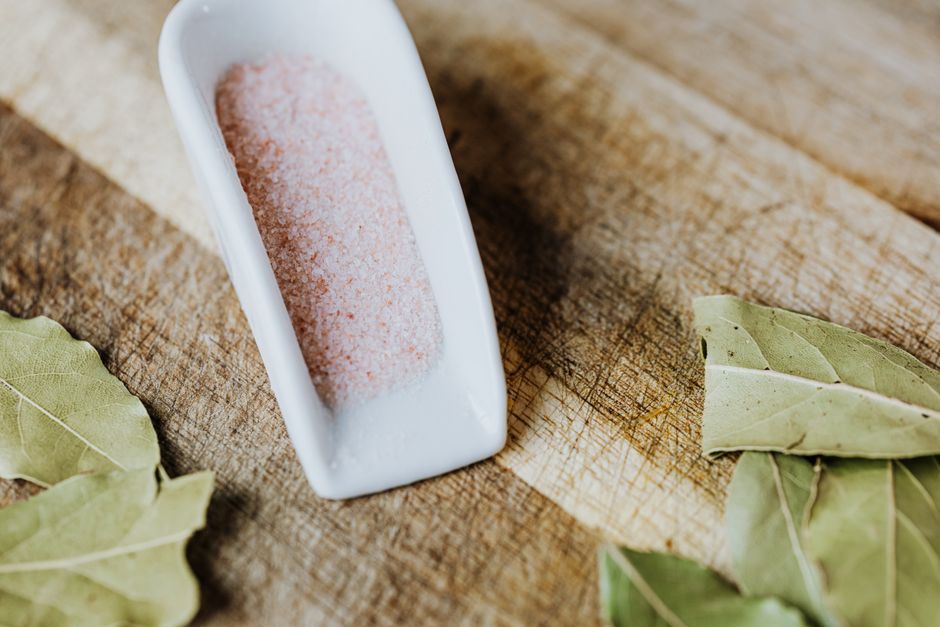
You open your spice cabinet and wonder if any of those little jars actually help with your goals. The truth is, certain spices do more than just add flavor — they can support your metabolism, curb cravings, and help you feel full longer.
When asking what seasoning is good for weight loss, the direct answer is that cayenne pepper, turmeric, cinnamon, black pepper, and ginger all have research backing their potential to support weight management. These spices work through different mechanisms — some boost calorie burn slightly, others stabilize blood sugar, and a few reduce inflammation that can stall progress. None of them replace a balanced diet, but used consistently, they give your efforts a real edge.
Most advice you find online overpromises. One sprinkle won’t melt fat. But the right seasonings, used daily in real meals, create small metabolic advantages that add up over weeks and months. This article breaks down exactly which ones work, how to use them, and what the evidence actually says.
Key Points at a Glance
| Spice | What It Does | Why It Matters |
|---|---|---|
| Cayenne Pepper | Slightly raises metabolism through capsaicin | Burns about 50 extra calories per day with regular use |
| Turmeric | Reduces inflammation and insulin resistance | Helps your body respond better to healthy foods |
| Cinnamon | Stabilizes blood sugar after meals | Prevents energy crashes and cravings |
| Black Pepper | Boosts absorption of other spices | Makes turmeric up to 2000% more available to your body |
| Ginger | Reduces appetite and improves digestion | Helps you feel full on fewer calories |
How Does Cayenne Pepper Help With Weight Loss?
Cayenne contains capsaicin, the compound that gives it heat. Research shows capsaicin can increase your metabolic rate by about 5-8% for a short period after eating. That means you burn slightly more calories just sitting still.
The effect is modest — roughly 50 extra calories per day if you use it regularly. I always add a pinch to my morning eggs or roasted vegetables. The heat also slows down how fast you eat, giving your brain time to register fullness before you overeat.
Practical tip: Start with 1/4 teaspoon of cayenne per meal. Too much too fast can upset your stomach. Build up gradually over two weeks.
Is Turmeric Good for Weight Loss?
Turmeric’s active compound, curcumin, fights chronic inflammation. Inflammation makes it harder for your body to use insulin properly, which can lead to fat storage, especially around your belly. By reducing inflammation, turmeric helps your metabolism work more efficiently.
The catch is that turmeric is poorly absorbed on its own. You must pair it with black pepper, which contains piperine. Piperine increases curcumin absorption by up to 2000%. I always add both to soups, rice dishes, and even smoothies.
What About Cinnamon and Blood Sugar?
Cinnamon is one of the most studied spices for blood sugar control. Multiple studies show that taking 1-2 grams per day can lower fasting blood sugar by 10-29%. Stable blood sugar means fewer cravings and less intense hunger between meals.
Use Ceylon cinnamon rather than cassia. Cassia contains higher levels of coumarin, which can be hard on your liver in large amounts. Ceylon is milder and safer for daily use. I sprinkle it on oatmeal, yogurt, and even in my coffee.
How Does Ginger Reduce Appetite?
Ginger has a direct effect on appetite hormones. Research indicates that consuming ginger before meals can increase feelings of fullness and reduce the desire to eat. One study found that women who took ginger with breakfast consumed 150 fewer calories at lunch.
Fresh ginger works better than dried for appetite control. Grate a thumb-sized piece into hot water for tea, or add it to stir-fries and salad dressings. The slight spiciness also adds flavor without any extra calories.
What Seasoning Combinations Work Best Together?
Combining spices creates a stronger effect than using any single one. A good starting blend is equal parts turmeric, cayenne, cinnamon, and black pepper. Use about one teaspoon total per meal.
This mix covers all the bases — metabolism boost from cayenne, inflammation reduction from turmeric, blood sugar stability from cinnamon, and absorption help from black pepper. I keep this blend in a small jar on my counter and use it on eggs, vegetables, chicken, and rice.
Related Articles
Frequently Asked Questions
How much seasoning should I use daily for weight loss?
Aim for 1-2 teaspoons total of combined spices per day. Start with smaller amounts and increase gradually to avoid digestive discomfort.
Can seasonings replace exercise or diet changes?
No. Seasonings support weight loss but do not replace calorie control or physical activity. They work best as part of a complete approach.
Are there any side effects from using too much spice?
Excessive amounts can cause stomach upset, heartburn, or irritation. Stick to culinary amounts and listen to your body’s signals.
What is the best time of day to take these seasonings?
Spreading them throughout meals works best. Morning cinnamon stabilizes blood sugar, midday cayenne boosts metabolism, and evening turmeric reduces overnight inflammation.
Do dried spices work as well as fresh ones?
Dried spices still provide benefits, though fresh ginger and turmeric are slightly more potent. Both forms are effective for daily use.
How long until I see results from using these seasonings?
Effects are subtle and accumulate over weeks. Most people notice fewer cravings within 2-3 weeks and modest metabolic changes after 4-6 weeks of consistent use.
Use our TDEE Calculator to find your exact calorie needs, then add these seasonings to your daily meals for real, sustainable progress.

The TDEECAL Team writes about nutrition, metabolism, and fat loss the way we built our calculator, with real numbers and no hype. We dig into the research so you don’t have to guess.