What Type of Foods are Good for Weight Loss
Most weight loss advice focuses on what to cut out, but the real progress happens when you shift your attention to what to add. The foods that support weight loss are the ones that keep you full, steady your energy, and make it easier to eat fewer calories without feeling deprived.
So, what type of foods are good for weight loss? The short answer is that foods high in protein, fiber, and water content are your best allies. These foods slow digestion, reduce hunger hormones, and help you feel satisfied with fewer calories, which makes consistent weight loss far more achievable.
Generic diet advice often tells you to “just eat less” or “cut out carbs,” but that approach rarely works long-term. This article covers the specific food categories that research consistently links to successful weight management, along with practical ways to build them into your day. You will also learn which popular “diet foods” are actually working against you.
Key Points at a Glance
| Point | What It Means | Why It Matters |
|---|---|---|
| Protein-rich foods | Eggs, chicken, fish, beans, Greek yogurt | Increases fullness and preserves muscle while losing fat |
| Fiber-dense vegetables | Leafy greens, broccoli, peppers, cauliflower | Adds volume with very few calories |
| Whole fruits | Berries, apples, oranges, pears | Provides sweetness with fiber to slow sugar absorption |
| High-water soups and broths | Vegetable soup, broth-based stews | Increases fullness before meals with minimal calories |
Which Protein Foods Help Most with Weight Loss?
Protein is the single most important nutrient for weight loss. Research consistently shows that diets higher in protein increase feelings of fullness, reduce late-night snacking, and help your body retain muscle while you lose fat. A 2015 study published in the American Journal of Clinical Nutrition found that increasing protein to 30% of daily calories led participants to eat roughly 440 fewer calories per day without being told to restrict.
Lean sources like chicken breast, turkey, fish, eggs, and low-fat Greek yogurt deliver the most protein per calorie. Plant-based options like lentils, chickpeas, and tofu also work well, though you may need slightly larger portions to match the protein content of animal sources.
What Type of Foods are Best for Feeling Full?
Foods with high water and fiber content create volume in your stomach without adding many calories. Vegetables like broccoli, cauliflower, zucchini, and leafy greens are the most efficient choice here. A full plate of roasted vegetables might contain 100 calories, while the same plate filled with pasta could easily reach 500.
Whole fruits also play a major role because they pair fiber with natural sweetness. An apple contains about 95 calories and keeps most people satisfied for an hour or more, while a similar-tasting fruit juice delivers the same calories with no fiber and much less fullness. Berries, oranges, and pears are especially strong options because their fiber content is high relative to their sugar.
Soups and broths deserve special mention. Studies have found that eating a broth-based soup before a meal reduces total calorie intake at that meal by about 20%. The water content increases stomach volume, which triggers fullness signals earlier than solid food alone.
How Much Protein Do You Need to Lose Weight?
Most research on weight loss uses a protein target of 1.6 to 2.2 grams per kilogram of body weight per day. For a 180-pound woman, that works out to roughly 130 to 180 grams of protein daily. That is a substantial amount, and most people do not reach it without deliberate effort at every meal.
A simpler way to think about it is to aim for 25 to 30 grams of protein at each meal. That looks like three eggs with cheese, a cup of Greek yogurt with nuts, or a palm-sized portion of chicken with quinoa. Spreading protein across the day works better than eating it all at dinner because each meal then provides lasting fullness.
If you are not sure where your current intake sits, using a food tracking app for a few days can be eye-opening. Most women discover they are eating far less protein than they assumed, often closer to 60 to 80 grams per day.
Which “Diet Foods” Should You Avoid?
Some foods marketed for weight loss actually work against you. Diet sodas and sugar-free treats replace sugar with artificial sweeteners that do not trigger the same fullness signals as real food. Some research suggests these sweeteners may increase cravings for sweet foods later in the day, though the evidence is mixed.
Low-fat processed foods are another trap. When manufacturers remove fat, they often add sugar or refined starches to preserve taste. A low-fat muffin can contain more calories and sugar than its regular counterpart. Check the label and compare total calories rather than trusting the front-of-package claims.
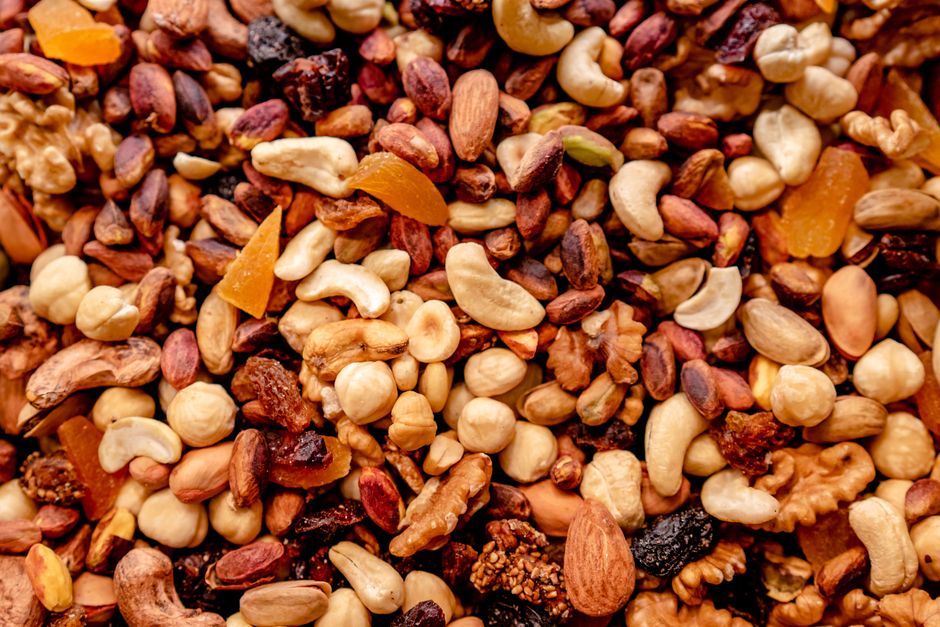
Granola, trail mix, and dried fruit also surprise many people. These foods are nutrient-dense, but their calorie density is extremely high because the water has been removed. A half-cup of granola can easily contain 250 calories, which is more than a full bowl of oatmeal with berries.
How Can You Build a Weight Loss Plate?
A reliable plate formula takes the guesswork out of meal planning. Fill half your plate with non-starchy vegetables, one quarter with lean protein, and one quarter with whole grains or starchy vegetables like sweet potatoes. This structure automatically delivers the protein, fiber, and volume that support weight loss.
Start meals with a glass of water and consider eating the protein and vegetables first, saving the starch for last. Some research suggests this food order leads to better blood sugar control after meals, which can reduce cravings a few hours later. The effect is modest, but it costs nothing to try.
Keep a visual reminder that portion size matters even for healthy foods. A serving of chicken is about the size of your palm, a serving of rice is about the size of your fist, and a serving of vegetables is about the size of two cupped hands. Using your hands as measuring tools works for most adults and requires no kitchen scale.
Frequently Asked Questions
Related Articles
What type of foods are good for weight loss?
Foods high in protein, fiber, and water content are the best choices for weight loss. Examples include lean meats, eggs, beans, vegetables, whole fruits, and broth-based soups.
How many calories should I eat to lose weight?
Most women lose weight eating between 1,400 and 1,800 calories per day, but this varies by age, height, and activity level. Use a TDEE calculator to find your maintenance calories and subtract 300 to 500 from that number.
Can I eat carbs and still lose weight?
Yes, carbohydrates do not prevent weight loss as long as you maintain a calorie deficit. Choose fiber-rich carbs like oats, quinoa, and sweet potatoes over refined versions like white bread and sugary cereals.
Are frozen vegetables as good as fresh for weight loss?
Frozen vegetables are nutritionally comparable to fresh and often cheaper and more convenient. They are a smart choice because they make it easier to eat more vegetables consistently, which supports weight loss.
How fast should I expect to lose weight?
A safe and sustainable rate is 1 to 2 pounds per week for most women. Faster loss often involves muscle loss or extreme restriction that is hard to maintain.
Do I need to count calories to lose weight?
No, but tracking for a few weeks helps most people understand their portion sizes and calorie intake. Many people find they can stop tracking once they learn what appropriate portions look like.
To find your personal calorie target, use the TDEE Calculator to get a starting point based on your age, height, weight, and activity level.

The TDEECAL Team writes about nutrition, metabolism, and fat loss the way we built our calculator, with real numbers and no hype. We dig into the research so you don’t have to guess.