Most green tea drinkers pick a flavor by taste alone, but the choice can actually change how much weight loss support you get. That’s because different flavors come from different processing methods, and those methods affect the compounds that matter for metabolism.
When asking which green tea flavour is best for weight loss, the answer comes down to plain, unflavored green tea. Plain green tea contains the highest concentration of catechins, particularly EGCG, which research links to modest increases in calorie burning. Flavored varieties often contain fewer of these active compounds because the added ingredients dilute the tea leaf content.
This matters more than most people realize. A typical flavored green tea blend might contain only 50 to 70 percent actual tea leaves, with the rest made up of dried fruit, flowers, or artificial flavoring. That means you’re drinking less of the compound that actually does the work. Many women also add sweeteners to flavored teas to enhance the taste, which adds calories and can cancel out any metabolic benefit. The rest of this article explains which specific green tea varieties perform best, how brewing affects the active compounds, and what the research actually shows about green tea and weight loss.
Key Points at a Glance
| Point | What It Means | Why It Matters |
|---|---|---|
| Plain green tea wins | No added flavors, highest catechin content | More EGCG means more metabolic support |
| Matcha is a close second | Whole leaves ground into powder | You consume the entire leaf, not just steeped water |
| Flavored teas dilute benefits | Added ingredients replace actual tea leaves | Less active compound per cup |
| Brewing time matters | 3 to 5 minutes extracts the most catechins | Short steeping leaves most of the benefit in the bag |
| No tea burns fat alone | Effects are modest without diet changes | Green tea supports, not replaces, a calorie deficit |
What Makes Plain Green Tea Better for Weight Loss?
Green tea’s weight loss reputation comes from catechins, a type of antioxidant that makes up about 30 percent of the dry weight of green tea leaves. The most studied catechin, EGCG, has been shown in multiple studies to slightly increase energy expenditure and fat oxidation. Research published in the American Journal of Clinical Nutrition found that green tea catechins combined with caffeine produced a modest increase in 24-hour energy expenditure compared to caffeine alone.
When you choose a flavored green tea, you’re getting a product where some of those catechins have been replaced by other ingredients. A peach green tea, for example, might contain only 60 percent actual green tea leaves. That means roughly 40 percent less EGCG per cup compared to the same amount of plain green tea. Over a day of drinking three or four cups, that difference adds up.
Is Matcha Better Than Regular Green Tea for Weight Loss?
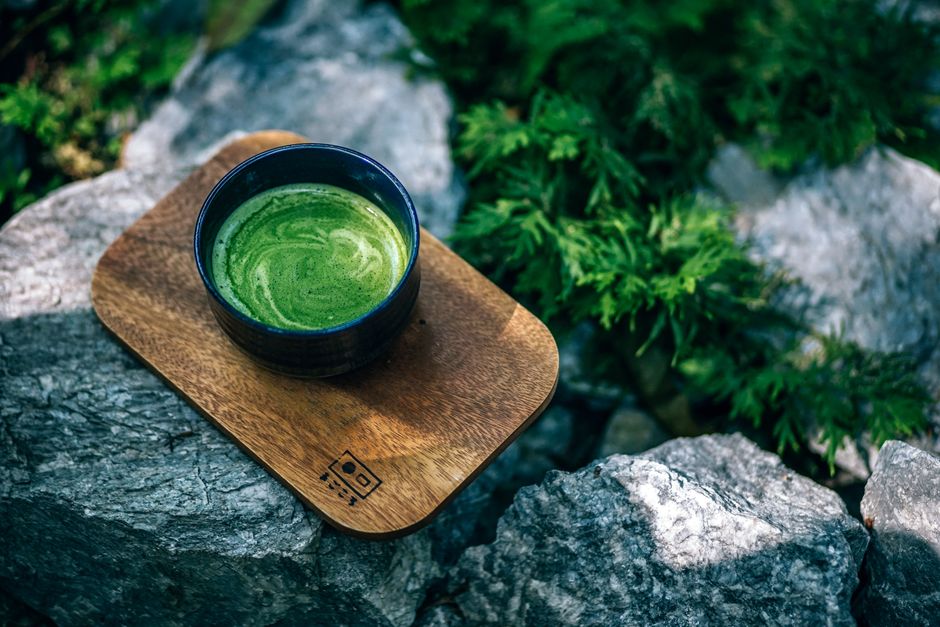
Matcha deserves special attention because it’s made from whole green tea leaves ground into a fine powder. When you drink matcha, you consume the entire leaf rather than just the water it steeped in. That means matcha can deliver significantly more catechins per serving than steeped green tea. One study found that matcha contains roughly three times the EGCG of regular green tea.
But matcha also contains about three times the caffeine of regular green tea. That higher caffeine level can cause jitters or sleep problems in sensitive women, especially if they drink it later in the day. If you tolerate caffeine well, matcha is a strong choice for weight loss support. If caffeine makes you anxious or disrupts your sleep, stick with plain steeped green tea instead.
The way you prepare matcha matters too. Traditional matcha is whisked with water only. Many commercial matcha lattes contain added sugar and milk, which can add 150 to 300 calories per drink. That completely cancels out any metabolic benefit from the tea itself.
Which Green Tea Flavour Is Best for Weight Loss in Practice?
When you’re standing in the tea aisle trying to decide which green tea flavour is best for weight loss, look for plain, unflavored green tea with no added ingredients. Sencha, Dragon Well, and Gunpowder are all excellent choices that contain the full catechin profile of green tea. These traditional varieties are minimally processed and contain nothing but the tea leaves themselves.
If you find plain green tea too bitter, try adjusting your brewing method before adding flavorings. Water that’s too hot or steeping that’s too long both increase bitterness. Use water around 170 to 180 degrees Fahrenheit and steep for 2 to 3 minutes. That produces a milder, sweeter cup without sacrificing the active compounds.
If you genuinely cannot drink plain green tea, choose a flavored variety that lists green tea as the first ingredient. Citrus flavors like lemon or orange are better choices than creamy or dessert flavors because they typically contain fewer added sweeteners. Just know that any flavored option will deliver less of the compounds that support weight loss.
How Much Green Tea Do You Need to Drink for Weight Loss?
Research on green tea and weight loss typically uses three to five cups per day. Studies show that this amount provides enough catechins to produce a modest increase in calorie burning, usually in the range of 50 to 100 extra calories per day. That’s not a dramatic effect, but it can add up over weeks and months when combined with a calorie deficit.
The timing of your green tea consumption matters less than consistency. Some research suggests drinking green tea around meals may slightly reduce carbohydrate absorption, but the evidence is mixed. What’s more important is drinking it regularly throughout the day rather than all at once.
One thing to watch: drinking green tea late in the evening can disrupt sleep because of its caffeine content. Poor sleep is strongly linked to increased hunger hormones and slower metabolism. If you’re sensitive to caffeine, stop drinking green tea by early afternoon.
What Does the Research Actually Say About Green Tea and Weight Loss?
The honest answer is that green tea produces modest, not dramatic, weight loss effects. A meta-analysis of randomized controlled trials found that green tea catechins produced an average weight loss of about 1.3 pounds over 12 weeks. That’s meaningful but small, and results vary widely between individuals.
Some studies show no significant weight loss benefit from green tea at all. The difference likely comes down to how much tea participants drank, how it was prepared, and whether they also changed their diet. Green tea appears to work best as a small boost to a calorie deficit, not as a standalone weight loss solution.
No credible research supports the idea that any green tea flavor burns fat on its own. The flavor is irrelevant to the metabolic effect — what matters is the catechin content. This is why plain green tea consistently outperforms flavored varieties in real-world results.
Frequently Asked Questions
Related Articles
Does adding lemon to green tea help with weight loss?
Lemon adds vitamin C but no proven fat-burning effect. Some research suggests vitamin C may slightly improve catechin absorption, but the effect is small and not well established.
Is bottled green tea as effective as brewed green tea?
No. Bottled green teas typically contain far fewer catechins than freshly brewed tea because the compounds degrade over time in liquid form. Many bottled versions also contain added sugar, which adds calories.
Can green tea replace a meal for weight loss?
No. Green tea contains almost no calories or protein and cannot replace the nutrients your body needs from food. Using it as a meal replacement would leave you undernourished and likely cause rebound overeating later.
Does green tea burn belly fat specifically?
No. Green tea may slightly increase overall fat burning, but spot reduction of belly fat is not supported by research. Fat loss happens throughout the body, not in one specific area.
Is it safe to drink green tea every day?
Yes, three to five cups daily is generally considered safe for healthy adults. Higher amounts can cause caffeine-related side effects like anxiety, insomnia, or digestive discomfort.
Does decaffeinated green tea work for weight loss?
Research suggests decaffeinated green tea has a reduced effect on metabolism because caffeine and catechins work together. Some studies show decaf green tea still provides benefits, but they appear smaller than with regular green tea.
For tracking your weight loss progress accurately, use the TDEE Calculator to determine your maintenance calories and create a sustainable deficit.

The TDEECAL Team writes about nutrition, metabolism, and fat loss the way we built our calculator, with real numbers and no hype. We dig into the research so you don’t have to guess.