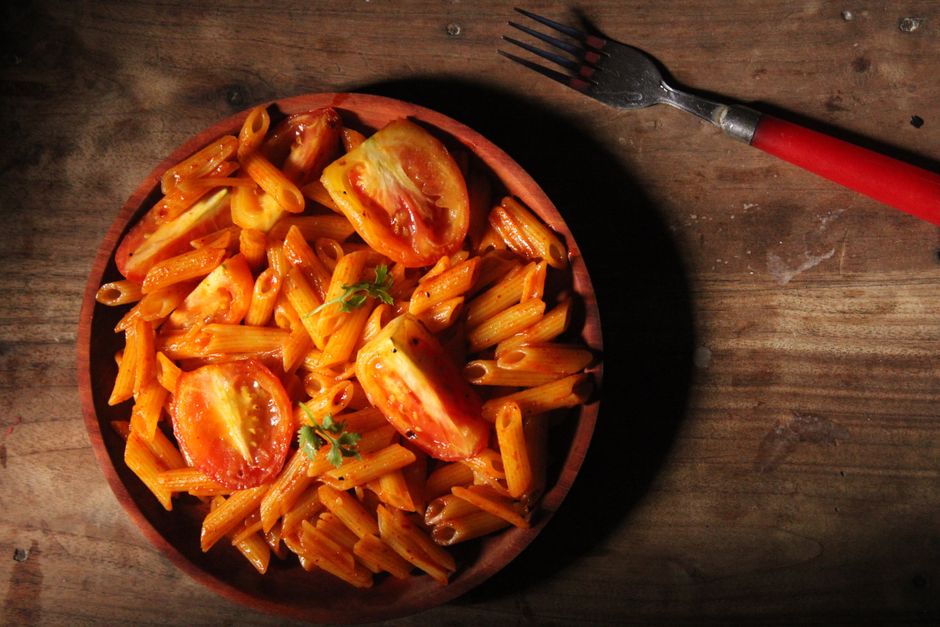
Pasta gets blamed for weight gain more than almost any other food, yet Italians eat it regularly and rates of obesity there stay lower than in the US. The problem usually isn’t the pasta itself. It’s the portion size, the sauce, and what’s on the plate next to it.
Which pasta is good for weight loss? Whole wheat and legume pastas are the strongest choices because they deliver more fiber and protein per serving, which slows digestion and helps you feel full longer. Regular semolina pasta can still fit a weight loss plan — the bigger factors are portion size and what you put on top.
Most diet advice about pasta swings between “avoid it entirely” and “eat as much as you want.” Neither is accurate. The research on pasta and body weight is more nuanced than either camp admits.
This article breaks down which pasta types actually support weight loss, how portion size matters more than the variety you pick, and what the evidence does and doesn’t show. You’ll get practical answers, not rules you can’t keep.
Key Points at a Glance
| Point | What It Means | Why It Matters |
|---|---|---|
| Fiber and protein slow digestion | Whole wheat and legume pastas contain more of both than white pasta | Greater satiety can reduce how much you eat at the next meal |
| Portion size drives calories more than pasta type | A standard 2-ounce dry serving is roughly 200 calories regardless of variety | Doubling the portion adds calories no pasta type can offset |
| Legume pasta has the most protein | Chickpea and lentil pastas often provide 11–14 grams of protein per serving | Protein supports fullness and helps preserve muscle during weight loss |
| Cooling pasta changes its starch | Cooking then chilling pasta increases resistant starch, which digests more slowly | Some evidence suggests a smaller blood sugar response, though the effect is modest |
Which Pasta Is Good for Weight Loss and Why?
Whole wheat pasta is the most researched option for weight management. It carries roughly 6 grams of fiber per 2-ounce dry serving compared with about 2 grams in regular semolina. That fiber gap matters — fiber slows gastric emptying and tends to reduce overall calorie intake across a day.
Legume pastas made from chickpeas, lentils, or red lentils push protein higher still, often 11 to 14 grams per serving. Some studies suggest higher-protein meals improve satiety compared with equal-calorie lower-protein meals. The evidence is consistent on this point, though individual results vary.
Does Regular Pasta Fit a Weight Loss Plan?
Yes, with context. Research published in Nutrition, Metabolism and Cardiovascular Diseases found that pasta eaten as part of a balanced Mediterranean-style diet was not linked to weight gain. The pattern matters more than the pasta.
A 2-ounce dry serving of regular pasta runs roughly 200 calories. That’s a reasonable base for a meal. The calories pile up in what goes on top — creamy sauces, generous cheese, and oil poured by eye rather than measured. I keep a measuring cup by the stove for exactly this reason; free-pouring olive oil can quietly add 200 calories without changing how the dish looks.
What Portion Size Should You Actually Use?
A standard portion is 2 ounces of dry pasta, which cooks up to about 1 cup. That surprises most people the first time they weigh it. Typical restaurant servings run three to four times that amount.
If you’re tracking calories, weigh dry pasta on a kitchen scale for a week or two. It recalibrates your eye fast. A TDEE calculator can help you set a daily calorie target so you know how pasta fits into your overall day rather than guessing.
Does Pasta Shape or Cooking Method Change Anything?
Shape has a small effect. Thicker shapes like rigatoni or penne hold more sauce per bite, which can mean more calories if the sauce is oil- or cream-based. Thinner shapes like angel hair pack more pasta into a cup by volume, so a “cup” of angel hair weighs more than a cup of rigatoni.
Cooking method may matter more than shape. Some research indicates that cooking pasta al dente produces a lower blood sugar response than cooking it soft. Chilling cooked pasta and reheating it raises resistant starch content further. The effect is real but modest — it’s a helpful detail, not a weight loss strategy on its own.
Frequently Asked Questions
Related Articles
Is whole wheat pasta better than regular pasta for weight loss?
Whole wheat pasta generally is a better choice because it provides roughly three times the fiber of regular pasta per serving. That extra fiber tends to increase fullness and can help reduce calorie intake later in the day.
Can you eat pasta every day and still lose weight?
Yes, if your total daily calories stay in a deficit and the pasta fits within your portion budget. Daily pasta isn’t the problem — oversized portions and heavy sauces are what typically stall progress.
Is chickpea pasta lower in calories than regular pasta?
Not meaningfully. Chickpea pasta runs roughly 190 to 210 calories per 2-ounce dry serving, close to regular pasta. Its advantage is higher protein and fiber, not fewer calories.
Does pasta make you gain weight because of carbs?
No single macronutrient causes weight gain on its own; excess total calories do. Research on pasta within a Mediterranean-style eating pattern has not shown a link to weight gain.
What is the best sauce for pasta when losing weight?
Tomato-based sauces are usually the lowest-calorie option, at roughly 60 to 80 calories per half-cup. Cream-based and cheese-heavy sauces can add several hundred calories per serving.
Should you eat pasta before or after a workout?
Either can work depending on your goals and schedule. Pasta eaten two to three hours before exercise provides readily available carbohydrate for energy.
None of this requires giving up pasta. Pick a higher-fiber or higher-protein variety when you can, weigh the dry portion until your eye adjusts, and build the rest of the plate around vegetables and protein. That approach holds up better than any rule about which pasta is off-limits.

The TDEECAL Team writes about nutrition, metabolism, and fat loss the way we built our calculator, with real numbers and no hype. We dig into the research so you don’t have to guess.