Which Swimming Style is Best for Weight Loss
Most people assume all swimming burns the same calories. That assumption is wrong, and it’s why many swimmers plateau without seeing the scale move.
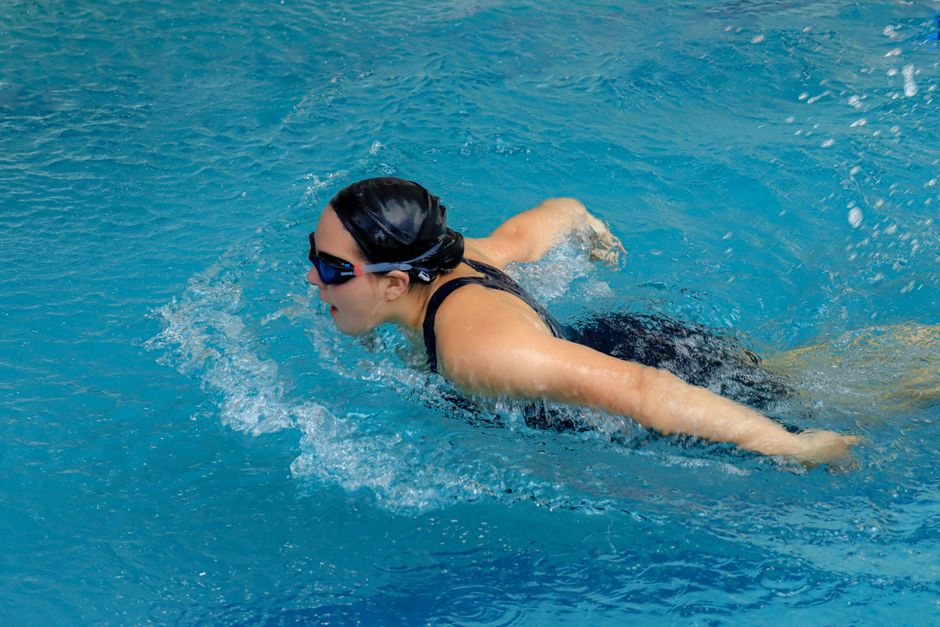
The honest answer to which swimming style is best for weight loss is butterfly, followed closely by freestyle. Butterfly burns the most calories per hour because it recruits nearly every major muscle group simultaneously. But the best style for you is the one you can sustain with good form for 30 to 45 minutes without stopping.
This article breaks down the calorie burn of each stroke, explains why technique matters more than speed, and gives you a practical plan to start swimming for fat loss this week. We’ll also cover common mistakes that keep swimmers from seeing results and answer the questions most women ask before their first lap.
My cook’s note: I’ve been swimming laps for years, and the biggest shift came when I stopped sprinting and started swimming slowly with perfect form. The difference in how I felt afterward was dramatic.
Key Points at a Glance
| Point | What It Means | Why It Matters |
|---|---|---|
| Butterfly burns the most | Roughly 700-800 calories per hour for a 150-pound woman | Highest energy demand of any stroke |
| Freestyle is the best all-rounder | About 500-600 calories per hour with proper technique | Sustainable for beginners and advanced swimmers alike |
| Technique beats speed | Good form burns more calories than flailing fast | Efficient strokes engage more muscle fibers |
| Consistency wins | Three sessions weekly beats one marathon session | Regular swimming builds metabolic adaptation |
| Water temperature matters | Cooler water increases calorie burn slightly | Body works to maintain core temperature |
How Many Calories Does Each Swimming Style Actually Burn?
Calorie burn varies by body weight, intensity, and swimming efficiency. For a 150-pound woman swimming at a moderate pace for one hour, the estimates are: butterfly burns roughly 750 calories, freestyle burns about 550 calories, breaststroke burns around 500 calories, and backstroke burns approximately 450 calories. Heavier swimmers burn more; lighter swimmers burn less.
These numbers assume continuous swimming with proper form. A woman who stops at every wall or floats between laps will burn significantly fewer calories. The research consistently shows that swimming burns comparable calories to running, but with far less joint impact.
I always tell my readers to focus on stroke efficiency first. A smooth freestyle with a strong kick burns more calories than a frantic butterfly that lasts three laps before exhaustion.
Which Swimming Style is Best for Different Fitness Levels?
For absolute beginners, freestyle is the best starting point. It’s the most natural stroke to learn, and you can modify it easily by using a kickboard or slowing your pace. Breaststroke is also beginner-friendly because your head stays above water, making breathing easier to manage. Both strokes build the cardiovascular base you need before attempting more demanding styles.
Intermediate swimmers should incorporate butterfly intervals into their routine. Swim butterfly for one lap, then recover with freestyle for two laps. This interval approach builds the strength butterfly requires while keeping your heart rate elevated. Backstroke serves as an excellent active recovery stroke between harder sets.
Advanced swimmers get the most benefit from mixing all four strokes in one session. This approach prevents overuse injuries and keeps your body guessing, which some research suggests may help avoid workout plateaus. The key is listening to your body and adjusting intensity based on how you feel each day.
How to Structure a Swimming Workout for Weight Loss
A effective swimming workout for weight loss should last 30 to 45 minutes and include a warm-up, main set, and cool-down. Start with five minutes of easy freestyle to warm up your muscles and get blood flowing. Then complete 20 to 30 minutes of intervals alternating between harder and easier efforts. Finish with five minutes of slow swimming to cool down.
Interval training works best for fat loss. Try swimming freestyle at a moderate pace for two minutes, then recovering with easy backstroke for one minute. Repeat this pattern for 20 minutes. As your fitness improves, increase the hard intervals to three minutes or reduce the recovery time to 30 seconds.
I’ve found that swimmers who track their laps and times see better results than those who just show up and swim. A simple waterproof watch or counting laps mentally gives you concrete feedback to improve each week.
Practical tip: Aim for three swimming sessions per week. Consistency matters more than doing one marathon workout on the weekend. Even 20 minutes of focused swimming three times weekly produces better results than 60 minutes once a week.
Common Mistakes That Sabotage Swimming Weight Loss
The most common mistake is treating swimming like a leisurely float. If you can hold a conversation easily while swimming, you’re not working hard enough to burn significant calories. The second mistake is poor breathing technique, which forces you to stop frequently and reduces your total swimming time. Third, many women skip strength training and expect swimming alone to transform their bodies.
Swimming builds lean muscle, but it doesn’t provide the same bone-strengthening benefits as weight-bearing exercise. Adding two sessions of strength training weekly protects your bones and boosts your metabolism. Research consistently shows that combining swimming with resistance training produces better body composition changes than either alone.
Another overlooked factor is water temperature. Swimming in warmer pools feels comfortable but burns fewer calories because your body doesn’t work to maintain core temperature. Cooler water around 78 to 82 degrees Fahrenheit increases calorie expenditure slightly, though the difference is modest.
Frequently Asked Questions
Related Articles
How quickly will I see weight loss results from swimming?
Most women notice changes in energy and muscle tone within three to four weeks of consistent swimming. Scale changes typically appear after four to six weeks when combined with a modest calorie deficit.
Is swimming better than walking for weight loss?
Swimming burns roughly twice the calories of walking at a moderate pace for the same duration. However, walking is easier to sustain daily and requires no equipment or pool access.
Can I lose belly fat by swimming?
Swimming burns overall body fat, including belly fat, but spot reduction is a myth. You cannot target fat loss to one area, though swimming’s full-body engagement helps build core strength.
How many times per week should I swim to lose weight?
Swimming three to four times weekly for 30 to 45 minutes per session is effective for weight loss. This frequency provides enough stimulus for metabolic adaptation without risking overuse injuries.
Does swimming increase appetite and make me eat more?
Some swimmers report increased hunger after swimming in cool water, which can offset calorie burn. Staying hydrated and eating protein-rich snacks after swimming helps manage post-workout hunger.
Use our TDEE calculator to determine your maintenance calories and create the modest deficit needed for sustainable weight loss alongside your swimming routine.

The TDEECAL Team writes about nutrition, metabolism, and fat loss the way we built our calculator, with real numbers and no hype. We dig into the research so you don’t have to guess.