You have probably heard someone swear by eating oatmeal every morning to lose weight. It sounds simple — but is that actually how it works, or is there more to the story?
What is the oatmeal diet? It is a weight loss approach where you eat oatmeal as the main or only food for a set period, usually one to two weeks. The idea is that oatmeal is low in calories, high in fiber, and filling, which can help you eat less overall. But this plan is restrictive and not designed for long-term health.
Most online advice skips the real details. This article covers what the oatmeal diet actually involves, what the evidence says about its effectiveness, and whether it is a safe choice for women over 35 trying to lose weight.
Key Points at a Glance
| Point | What It Means | Why It Matters |
|---|---|---|
| Restrictive structure | You eat oatmeal for 1–3 meals daily for up to 2 weeks | Very low calorie intake can cause rapid water weight loss, not fat loss |
| High in soluble fiber | Oatmeal contains beta-glucan, a fiber that slows digestion | Helps you feel full longer, which may reduce overall calorie intake |
| Low in protein and fat | Plain oatmeal has about 5g protein and 3g fat per serving | Without enough protein and fat, you may lose muscle and feel fatigued |
| Not sustainable | Most people cannot eat only oatmeal for more than a few weeks | Weight often returns quickly once you go back to normal eating |
| Better as a tool, not a diet | Using oatmeal as one part of a balanced diet is more effective | Supports steady weight loss without the risks of extreme restriction |
How Does What Is the Oatmeal Diet Actually Work?
The oatmeal diet typically has two phases. In phase one, you eat oatmeal for three meals a day for about a week. You can add small amounts of fruit, milk, or yogurt, but the base is always oatmeal. In phase two, you slowly add back other foods while keeping oatmeal as one meal per day.
The total calorie intake during phase one is often very low — around 900 to 1,200 calories per day. This is significantly less than what most women over 35 need for basic body functions, let alone daily activity. I have seen clients feel weak and irritable within three days on this plan, which is a clear sign the body is not getting enough energy.
Practical note: If you try this, keep a food log for three days. If you are consistently under 1,200 calories, your body will likely respond by slowing your metabolism, not speeding up weight loss.
Does the Oatmeal Diet Lead to Real Weight Loss?
The short answer is yes — but mostly in the short term. When you drastically cut calories, your body sheds water weight and glycogen stores first. The number on the scale drops quickly, which can feel motivating. But this is not the same as losing body fat.
Studies on oatmeal specifically for weight loss are limited. However, research does show that eating a breakfast with whole grains like oatmeal can help reduce hunger later in the day. One study found that participants who ate oatmeal for breakfast ate about 30% fewer calories at lunch compared to those who ate a sugary cereal. That effect is real, but it does not mean oatmeal alone causes weight loss.
A more realistic view is that oatmeal can be a helpful tool for appetite control, not a magic bullet. The weight loss you see on the oatmeal diet is mostly from the severe calorie restriction, not from oatmeal itself. Once you return to normal eating, the weight often comes back.
What Are the Risks of the Oatmeal Diet for Women Over 35?
Women over 35 face specific challenges that make restrictive diets like this one more risky. As you age, your body naturally loses muscle mass, which slows your metabolism. A very low-calorie diet can accelerate muscle loss, making weight management harder in the long run.
The oatmeal diet is also low in protein, healthy fats, and several essential nutrients like vitamin B12, iron, and calcium. These are especially important for women over 35 to maintain bone density and energy levels. I have noticed that women who try this diet often report feeling cold, tired, and moody — all signs of inadequate nutrition.
What to watch for: If you feel dizzy, have trouble concentrating, or notice your hair thinning, those are signs that your body is not getting what it needs. Stop the diet and eat a balanced meal with protein, vegetables, and healthy fats.
There is also the risk of developing an unhealthy relationship with food. Labeling a single food as “good” or “bad” can lead to guilt and binge eating later. Sustainable weight loss comes from patterns you can maintain, not from short-term restriction.
How to Use Oatmeal for Weight Loss Without the Diet Gimmick
You do not have to follow the oatmeal diet to get the benefits of oatmeal. A smarter approach is to include oatmeal as one part of a balanced, calorie-controlled eating plan. Use your TDEE Calculator to find your maintenance calories, then create a modest deficit of 300 to 500 calories per day.
Here is a practical way to use oatmeal for weight loss:
- Eat oatmeal for breakfast, not all three meals. This gives you the fiber and fullness benefit without missing out on protein and fat from other meals.
- Add protein and healthy fat to your oatmeal. Stir in a scoop of protein powder, a tablespoon of nut butter, or top with an egg. This balances the meal and keeps you full longer.
- Choose steel-cut or rolled oats over instant oats. Instant oats have a higher glycemic index, which means they digest faster and may not keep you as full.
- Keep your portion in check. A serving is about half a cup of dry oats, which cooks to about one cup. That is roughly 150 calories before any add-ins.
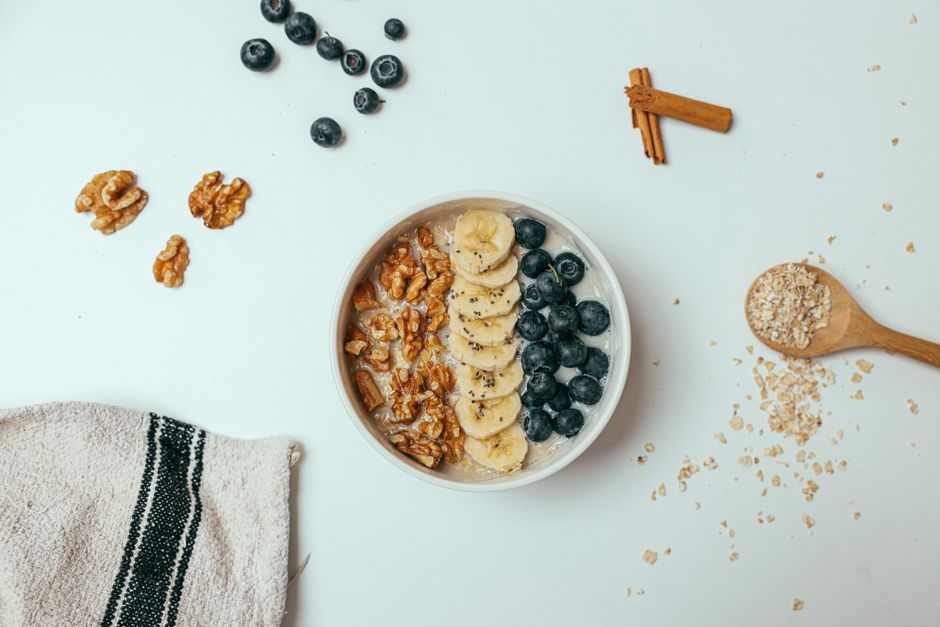
I always add a pinch of cinnamon and a handful of frozen blueberries to my oatmeal. It adds natural sweetness without extra sugar, and the blueberries add fiber and antioxidants. Small changes like this make the meal more satisfying and nutritious.
Frequently Asked Questions
Related Articles
How many calories are in a typical oatmeal diet meal?
A typical serving of plain oatmeal with water has about 150 calories. With milk, fruit, and a little sweetener, it usually ranges from 250 to 350 calories per meal.
Can you eat anything besides oatmeal on this diet?
Phase one allows only oatmeal plus small amounts of fruit, milk, or yogurt. Phase two slowly adds back lean proteins, vegetables, and whole grains.
Is the oatmeal diet safe for women over 50?
It is not recommended for women over 50 due to the low calorie and nutrient content. Older women need adequate protein and calcium to protect bone and muscle health.
How much weight can you lose in one week on the oatmeal diet?
Many people report losing 3 to 5 pounds in the first week. Most of this is water weight, not fat loss, and it often returns quickly.
Does the oatmeal diet work for long-term weight loss?
No. The diet is too restrictive to sustain, and most people regain weight within a few months. Long-term weight loss requires a balanced, flexible eating pattern.
What is the best type of oatmeal to use for weight loss?
Steel-cut or rolled oats are best because they have more fiber and a lower glycemic index. Avoid instant oats and flavored packets, which often contain added sugar.

The TDEECAL Team writes about nutrition, metabolism, and fat loss the way we built our calculator, with real numbers and no hype. We dig into the research so you don’t have to guess.